
Why Buick Dropped Sedans and Went All SUV: What It Means for Drivers in 2025
Why Buick Dropped Sedans and Went All SUV: What It Means for Drivers in 2025
TLDR: Buick no longer builds sedans. The Regal, LaCrosse, and Verano were phased out by 2020 as the brand shifted toward a lineup made entirely of SUVs and crossovers. This decision reflects modern buyer demand for vehicles with more space, relaxed comfort, and easier entry. Today, Buick is positioned as a premium middle ground between mainstream and luxury brands. The move away from sedans preserves Buick’s identity in a shape that better suits everyday life in 2025 and prepares the brand for an electric future built on quiet and comfort.
For decades, Buick sedans were a familiar sight in American driveways. They stood for smooth rides, quiet cabins, and a level of comfort that felt a step above everyday cars. The shapes might have changed across generations, but the personality never drifted far from its foundation. Buick was the car that felt calm, even on busy roads. It was the car your family took on long highway trips, knowing the trip would feel easier from the driver seat to the third row of seats. Back when sedans were the center of the automotive universe, Buick flourished.
Today, that world looks very different. Buyers want taller vehicles that offer more room for passengers and the cargo that life requires. The trend did not pass Buick by. It reshaped Buick itself. By 2020 the last Buick sedans had left the United States market. What remained was a focused lineup built entirely on SUVs and crossovers. Encore GX, Envista, Envision, and Enclave now define the brand.
The decision did not erase Buick’s heritage. It carried that heritage into vehicles better suited to modern needs. Buick is still about thoughtful design, quiet confidence, and comfort that feels a little bit special. Only now, it rides higher and carries more inside.
How Buick Became America’s Premium Middle Ground
Buick originally made its name in the early days of American motoring. The brand stood for rising ambition and growing comfort. As new decades passed, Buick carved a perfect spot between two of its sibling divisions. More refined than Chevrolet. Not as expensive or attention seeking as Cadillac. It was the comfortable choice for practical luxury.
In the sedan era, that position felt secure. The Buick Regal, LaCrosse, Century, Electra, and Park Avenue built reputations based on quiet cabins and graceful cruising. They were familiar and confident. They attracted drivers who wanted peace on the road more than anything else.
Buick also became associated with long lasting quality. Many owners kept their cars for years or passed them down through families. A Buick sedan did not shout for attention. It simply delivered a better driving experience day in and day out.
But the market around Buick changed. Other brands began to add upscale trim options and more comfort features. Luxury manufacturers offered smaller, more affordable models. Buick’s comfortable middle ground became harder to defend with sedans alone. The brand needed to evolve or risk standing in a shrinking space.
A heritage buyers still remember fondly
Ask Buick owners what they loved about their sedans and many give the same answers. Silence over bumps. Graceful ride quality. A feeling that the car always had more to give, even at highway speed. The names might change over time, but those qualities lasted. That emotional bond stays alive even when the body type changes.

The Emotional Shift: Saying Goodbye to the Buick Sedan Era
For many drivers, Buick sedans were not just products on a price sheet. They were chapters of life. Road trips to visit family. Daily commutes that felt more like small breaks from the world. The way the doors closed with a soft sound that promised peace on the other side.
Parents bought Buick sedans because they valued calm above everything. Young professionals bought them because they felt like a reward for growing up. Retirees drove them because Buick made traveling comfortable without asking for attention. They were loyal to the feeling of a Buick, not just the name.
When news spread that the Regal and LaCrosse were ending production in the United States, some saw it as a loss of tradition. Those nameplates had history stretching back through multiple generations. Older drivers still remember first rides in large Buick sedans from the 1980s and 1990s, gliding over rough pavement like the road was floating by beneath them.
This emotional connection matters. It helps explain why Buick was careful in its transition. The brand did not step away from sedans to chase trends. It followed the desire for the same emotions in a different shape. Buyers wanted space, practicality, and visibility. They wanted that familiar Buick comfort, just in a body better suited to their growing families and modern lives.
The sedan era lives on in those memories. And Buick’s promise lives on in its new designs.
The SUV Takeover and the Shift Buick Could Not Ignore
By the 2010s, the American road was changing at a speed few could have predicted earlier. Families replaced sedans with crossovers. Young professionals chose small SUVs to handle everything from city commutes to weekend escape plans. Even drivers who once swore by sedans reconsidered when SUVs began offering better fuel economy and more advanced features at similar pricing.
The SUV takeover was not a slight correction in taste. It became the natural choice for drivers across nearly every lifestyle. People wanted more space for passengers and gear. They wanted to sit a bit higher for a better view of traffic. They wanted vehicles that made them feel safe and relaxed while managing unpredictable tasks and travel.
Buick saw its future in that shift. Comfort focused drivers were already moving to SUVs. Buick’s strengths fit that direction perfectly. The brand did not resist the transition. It embraced what buyers were already asking for.
There are still sedan loyalists, but they are not Buick’s core
Sedans will always hold a place in American automotive culture. They appeal to driving enthusiasts who enjoy sportier handling. They appeal to shoppers searching for lower prices or maximum fuel economy. But that is not Buick’s home territory anymore. Buick chose the buyers who value comfort and quiet above all else. Those buyers now live in SUV showrooms.
That shift did not abandon loyal Buick customers. It followed them.
The Final Buick Sedans and What They Represented
The transition to SUVs took time, not a single stroke of decision. Buick continued building sedans until it was clear that the market had changed permanently.
Buick Regal ended in 2020. It was the sportier option in Buick’s sedan lineup. Built on a European platform, it connected Buick to the international market with sharp looks and agile handling. But even performance inspired buyers were choosing taller vehicles for their practical strengths.
Buick LaCrosse ended in 2019. It represented classic Buick luxury, with one of the smoothest rides the brand ever offered. It was a favorite among traditional Buick families. Yet large sedans were the first to see dramatic drops in demand, and this flagship sedan reached the end of a long and respected road.
Buick Verano ended in the United States after 2017. It was the smallest sedan and a welcoming entry point into the brand. Young drivers appreciated its comfort forward character. But smaller SUVs stole that role by delivering more versatility for similar money.
When these models departed the showroom, they did not take Buick’s identity with them. The shape changed, not the feeling. Comfortable cruising. Dependable refinement. The pleasure of arriving relaxed. That emotional story continues in four taller silhouettes.
Life Inside a Buick: The Comfort Philosophy That Never Retired
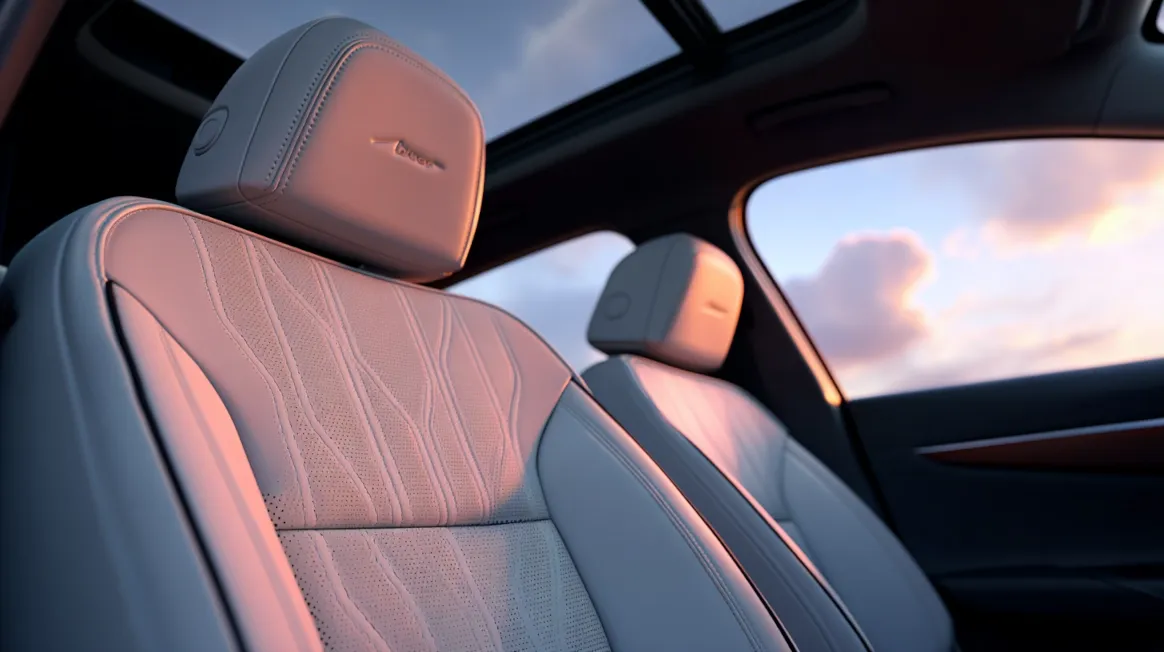
The core of Buick has always been what happens inside the cabin. Engineers pay close attention to the way surfaces feel to the touch. How the seats support shoulders and lower backs. How quiet the interior stays on textured highways. In Buick’s view, comfort is not an optional feature. It is the personality of the brand.
QuietTuning remains one of the strongest examples of this philosophy. It is not just thicker carpet or extra insulation. Engineers analyze how noises travel and then reduce those frequencies with precision materials. That kind of tuning is easier to refine inside an SUV interior, which has more air volume and structure to work with.
Cabin design also reflects Buick’s approach to stress free driving. Controls are clear and straightforward. Ride tuning aims to remove harsh jolts without creating a floaty sensation. Steering should be calm and predictable rather than sporty and demanding. Every decision behind the scenes answers a single question. Does this make the driver feel relaxed
This philosophy did not leave with the sedans. It became even stronger in the SUV era. Bigger cabins invite more passenger comfort. Taller seating makes daily tasks like loading groceries and buckling children less tiring. Even advanced safety systems feel friendlier when integrated into a smooth driving personality instead of a high performance one.
If a Buick is doing its job well, the driver does not think about how comfortable it is. They simply finish the drive feeling better than when they started.
Why SUVs Fit Buick Better in 2025
The move to SUVs was not only reactive. It unlocked new advantages that align naturally with Buick’s strengths.
Comfort with room to breathe
SUV cabins are larger and taller. Engineers have more space to tune suspension comfort and reduce noise. Families and older passengers especially appreciate the easier entry height. Buick’s QuietTuning technology can be applied with greater effect in these bigger spaces.
Practicality that matches everyday life
More storage, more seating flexibility, more utility for the unexpected. A Buick SUV makes errands feel easier and trips feel smoother. Drivers can live comfortably without feeling like they compromised to get there.
Value that feels premium without excess
Many buyers see SUVs as offering more return for their investment. Better visibility. Stronger features. A smoother sense of safety. Buick’s presentation of these qualities places it comfortably above mainstream competitors without reaching luxury car prices.
Confidence on roads filled with bigger vehicles
As traffic grows more varied and unpredictable, drivers appreciate the security that comes from sitting higher. The ability to see farther ahead encourages calm driving. Calm driving is Buick driving.
The Changing Face of the Buick Driver
The Buick buyer of today looks different from the stereotypes people still imagine. Buick is not a brand only for retirees anymore. Many owners are younger families choosing comfort over edgier styling or hard suspensions. Others are professionals leaving mainstream brands because they want a calmer experience during travel.
In the past, Buick sedans appealed strongly to mature buyers. The brand embraced that relationship and built loyalty that lasted decades. But as SUVs became the most popular family vehicles, Buick also attracted new household demographics.
Empty nesters now choose Enclaves to carry grandchildren and luggage on vacation. Parents choose Envisions and Envistas to make school runs easier and road trips quieter. First time premium buyers choose Encore GX models as their step up from compact sedans.
The result is a broader Buick audience with the same shared priority. They all want drives that feel peaceful.
Buick’s identity has grown more inclusive without losing its roots. The buyers changed. The brand adjusted. The promise of calm travel stayed the same.
The All SUV Lineup That Represents Buick Today
Every Buick model in the United States is now a crossover or SUV. Each one has a role that brings part of the old Buick personality into a design that fits the present.
Buick Encore GX is small, stylish, and approachable. It gives new buyers a taste of Buick comfort with a manageable footprint. It welcomes drivers upgrading from compact cars who want to feel like they moved forward.
Buick Envista is a bold new design with coupe inspired styling. It appeals to younger drivers and first time premium shoppers who want more style in their daily drive. It proves that Buick can be fashionable while staying calm at heart.
Buick Envision balances everything Buick does well. Spacious but still easy to park. Premium but not intimidating. It suits many families and commuters who want one vehicle to do everything without stress.
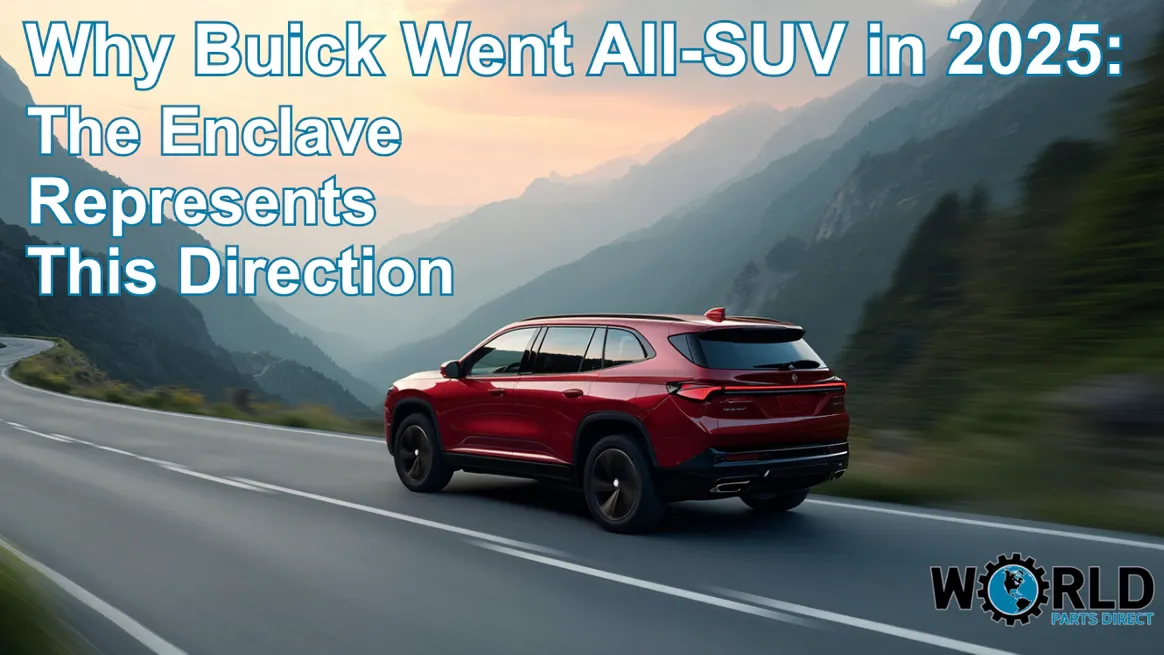
Buick Enclave is the largest Buick and the closest to a traditional family flagship. It carries three rows of comfortable seating and turns long trips into smooth experiences. Many drivers find it the perfect upgrade after children outgrow smaller cars.
A small lineup with a big purpose
Other brands chase every niche. Buick chose clarity. Four vehicles. One personality. A consistent promise that every model supports. That focus gives Buick a strong identity in a market crowded with choices that blur together.
What Drivers Gain and What They Give Up
Like any evolution, the move to an all SUV lineup comes with benefits and trade offs.
The gains
- More space for families, hobbies, and daily life
- Easier access that helps parents and older drivers
- Improved cabin quietness and ride comfort
- Greater sense of safety and visibility
- Premium experience at prices below luxury competition
The losses
- No more low riding sedans in Buick showrooms
- Driving enthusiasts may miss the sharper handling dynamics
- Classic Buick styling cues appear in different proportions
Yet the heart of the Buick experience remains consistent. Relaxed driving. Calm movement. Practical comfort that feels refined. Those qualities still matter most. Now they simply live inside shapes that match everyday American needs.
Why Buick Did Not Follow the Trend of Making Sportier SUVs
Many SUV manufacturers entered the market by trying to mimic the performance of sports sedans. Tight suspensions. Aggressive styling. Quick shifting transmissions. The idea was to prove that taller vehicles could still feel like cars at heart.
Buick chose a different path. Instead of trying to turn SUVs into something they are not, Buick leaned into their strengths. Ride comfort. Easygoing handling. A quiet interior that makes long drives more enjoyable.
This choice gave Buick a clearer identity. A Buick SUV is not a performance machine. It is an escape from traffic stress. It is a calm place to sit during long waits at red lights or long stretches of interstate travel. It is the kind of vehicle that rewards the driver who does not want to feel every bump and vibration in the pavement.
The strategy also separates Buick from crowded competition. While many SUVs chase speed and sharpness, Buick focuses on comfort and composure. Not everyone wants to take corners at maximum speed. Many simply want to arrive feeling relaxed.
That is Buick’s road to follow.
What Comes Next for Buick
Right now, Buick’s U.S. lineup runs solely on gasoline. That will not last. General Motors is investing heavily in the Ultium electric platform that will support future Buick models. Buick has already presented concept vehicles in other regions that show where the brand might go with electric SUVs. These designs feature sharp lines, advanced lighting, and technology that feels futuristic but inviting.
Buick is not racing into the EV market. It is waiting until timing suits its audience. When EVs feel like comfortable everyday tools rather than tech experiments, Buick intends to arrive with the same identity it always had. Quiet, confident, and relaxed in motion. The quiet hum of an electric drivetrain suits Buick perfectly. Silence was always part of its personality.
The global side of Buick’s future
Buick is one of the most successful brands in China. Sedans continue to play a role in that market, including newer generations of the LaCrosse and Verano that are no longer sold here. Chinese drivers view Buick as a symbol of aspiration and modern comfort. That international success provides strength and flexibility. Buick can experiment with new designs and technologies abroad before deciding which ones make sense for American roads.
This two hemisphere approach means Buick is not defined by its U.S. lineup alone. The world is shaping Buick’s identity from multiple directions. The brand evolves with more ideas and broader feedback, even if the shapes differ between markets.
How Buick’s Legacy Helps Shape Its Electric Future
Electric vehicles are quiet by nature. Silence is part of their engineering. For Buick, that is not just a benefit. It is an opportunity to deepen what the brand already does best.
Buick’s future EVs will have drivetrains that remove engine vibration and exhaust noise from the equation completely. That gives Buick a chance to take QuietTuning to an entirely new level. A silent cabin paired with a smooth electric surge of motion could feel like the most Buick experience ever created.
Design freedom also expands with electric platforms. Without a traditional engine layout, designers can shape cabins with more legroom and new storage solutions. This flexibility allows Buick to continue building vehicles that feel peaceful inside, while also exploring bold exterior styling that looks modern and expressive.
Buick does not have to reinvent itself to succeed in the EV era. It simply has to do more of what it has always done. Comfort. Calm. Confidence. American roads are changing again, just as they did when SUVs took over sedans. Buick is ready for the transition because it has already practiced the art of evolution.
The future might hum instead of rumble. But that sound still fits Buick perfectly.
Should Drivers Still Consider Buick in 2025
Yes. Buick remains a smart choice for those who want to feel a step above ordinary without stretching into luxury pricing. Its vehicles deliver comfort, smoothness, and a relaxed attitude that suits commuting, road trips, and busy weeks filled with errands. For families, empty nesters, and anyone who defines a good drive as a peaceful one, Buick fits the bill.
Drivers who want sporty low driving dynamics or aggressive styling will likely look elsewhere. Buick has chosen its personality and stuck with it. In the process, it has strengthened its own identity rather than trying to please everyone.
Conclusion
The end of Buick sedans was not the end of Buick’s story. It was a turning point that let the brand continue delivering the qualities that made it special. Quiet confidence. Lasting comfort. Simplicity with a hint of sophistication. Those qualities now sit higher above the road in vehicles that match the lives Americans live in 2025.
Buick has not left its legacy behind. It brought that legacy forward, shaping it into something more practical for today and more prepared for tomorrow. The name still carries the same promise. Only the shape of that promise has changed.

About World Parts Direct
World Parts Direct is your go-to source for genuine OEM parts for GM and MOPAR vehicles. We make it easy to order factory-original parts online — shipped fast, accurately, and backed by real human support.
Every item we sell comes brand new in the manufacturer’s original packaging. Whether you’re handling routine maintenance, collision repair, or a full restoration, our parts professionals provide VIN-verified fitment support to ensure you get exactly what you need.
Serving drivers and repair shops worldwide, we proudly support brands like Chevrolet, GMC, Cadillac, Buick, Dodge, Chrysler, Jeep, and Ram. Shop confidently at WorldPartsDirect.com.