
5 Warning Signs Your Cabin Air Filter Is Clogged
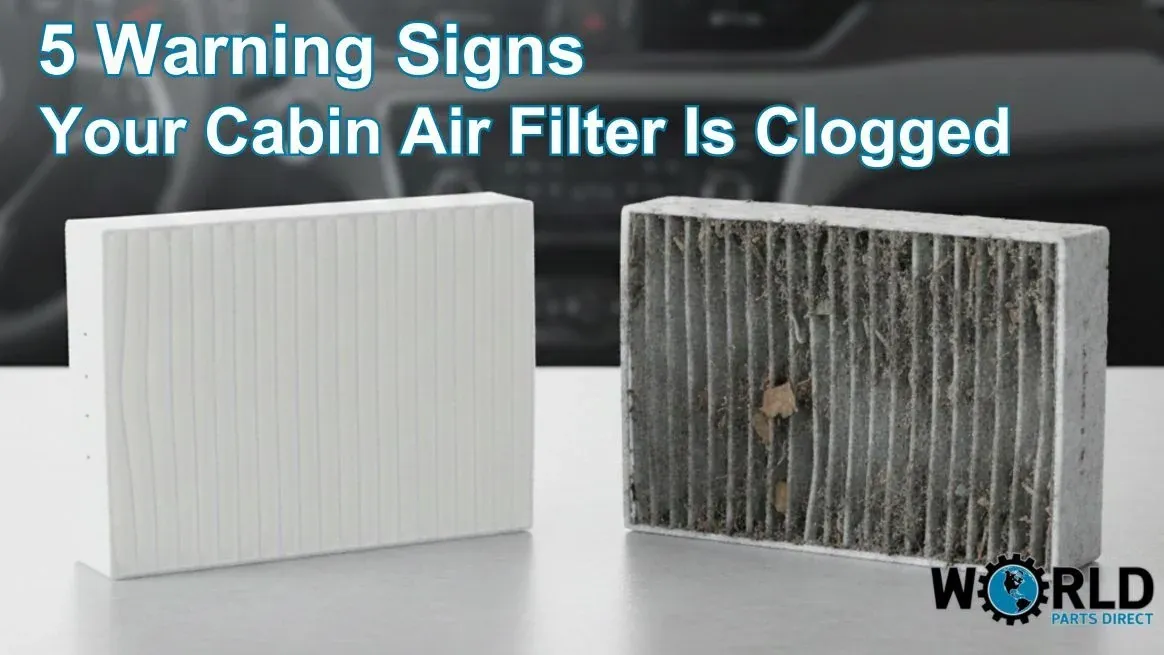
5 Warning Signs Your Cabin Air Filter Is Clogged
Your vehicle’s cabin air filter is one of the most overlooked maintenance items, yet it plays a major role in how comfortable and healthy your driving experience feels. While most drivers stay on top of oil changes and tire rotations, the cabin air filter is often forgotten until noticeable problems start showing up inside the vehicle.
A clogged cabin air filter does not trigger a warning light. It does not usually cause drivability issues. Instead, it quietly restricts airflow, traps moisture, and allows contaminants to build up inside your HVAC system.
The result can feel like weak air conditioning, foggy windows, unpleasant odors, or even excessive dust inside the cabin. Understanding the early warning signs can help you avoid unnecessary repairs and restore proper airflow before bigger HVAC components are affected.
TL;DR Quick Answer
- A clogged cabin air filter restricts airflow entering the HVAC system.
- Common symptoms include weak airflow, foggy windows, musty odors, and excess interior dust.
- Most cabin air filters should be replaced every 12,000 to 20,000 miles.
- Ignoring replacement can strain the blower motor and reduce heating and air conditioning performance.
What Does a Cabin Air Filter Actually Do?
The cabin air filter cleans the air that enters your vehicle’s interior through the heating, ventilation, and air conditioning system.
As outside air flows into the HVAC intake, it passes through the cabin air filter before reaching the blower motor and evaporator core. During this process, the filter traps contaminants such as:
- Dust and dirt
- Pollen and allergens
- Road debris
- Soot and exhaust particles
- Mold spores
Modern vehicles rely heavily on unrestricted airflow to regulate interior temperature, humidity, and defrost performance. Even a partially clogged filter can disrupt this balance.
Many OEM cabin air filters also use activated carbon layers designed to absorb odors and harmful gases. When the filter becomes saturated, airflow resistance increases and filtration effectiveness drops significantly.
Because the cabin air filter operates quietly in the background, symptoms tend to appear gradually rather than all at once.
Warning Sign #1: Weak Airflow From the Vents
One of the earliest and most common signs of a clogged cabin air filter is reduced airflow coming from the vents.
Even when the fan is set to a high speed, airflow may feel weak or uneven. Many drivers mistake this symptom for a failing blower motor or low refrigerant level, but in reality the HVAC system simply cannot pull enough air through the blocked filter.
A dirty filter creates airflow restriction similar to breathing through a clogged mask. The blower motor continues spinning, but less air reaches the cabin.
Common indicators include:
- Air feels faint even at maximum fan speed
- Front vents blow weaker than usual
- Rear vents receive very little airflow
Replacing the cabin air filter often restores full airflow instantly.
Warning Sign #2: Foggy Windows That Take Longer to Clear
Your defrost system depends heavily on airflow volume.
When windows fog up, the HVAC system removes moisture by directing dry air across the glass. If airflow is restricted, moisture remains trapped inside the cabin longer.
A clogged cabin air filter can cause:
- Windshield fog that clears slowly
- Side windows staying hazy in humid conditions
- Defrost running longer than normal
This issue is especially noticeable during winter months or rainy weather. Many drivers assume the problem is humidity or a weak heater, but restricted airflow is frequently the root cause.
Restoring airflow allows moisture to exit the cabin more efficiently.
Warning Sign #3: Musty or Moldy Smell From the Vents
A strong odor when you turn on the air conditioning is one of the most obvious warning signs.
Over time, cabin air filters collect moisture along with dust and organic debris. When moisture remains trapped, mold and mildew can form within the filter material.
Symptoms often include:
- Musty or damp smell on startup
- Sour odor when AC is turned on
- Smell that fades after several minutes
Activated carbon filters are designed to absorb odors, but once saturated they can no longer neutralize smells.
Replacing the cabin air filter often eliminates odors immediately without the need for chemical cleaners or HVAC treatments.
Warning Sign #4: Excess Dust Inside the Vehicle
If your dashboard, center console, or interior surfaces seem dusty no matter how often you clean them, the cabin air filter may be compromised.
A clogged or deteriorated filter allows fine particles to bypass filtration entirely. Instead of being trapped, dust and pollen circulate directly through the vents and into the cabin.
This can lead to:
- Visible dust buildup on surfaces
- Increased allergy symptoms
- Sneezing or irritated eyes while driving
A properly functioning cabin air filter significantly reduces interior dust accumulation and improves overall air quality.
Warning Sign #5: Noisy or Overworked Blower Motor
As airflow resistance increases, the blower motor must work harder to pull air through the filter.
This added strain can result in:
- Louder fan noise
- Whistling sounds from vents
- Inconsistent airflow at different speeds
Over time, restricted airflow may cause premature blower motor wear. While a cabin air filter is relatively inexpensive, blower motor replacement can be costly and labor intensive.
Maintaining proper airflow protects the HVAC system as a whole.
How to Check Your Cabin Air Filter in Five Minutes
Inspecting your cabin air filter is one of the easiest maintenance checks you can perform.
Most vehicles locate the cabin air filter in one of three places:
- Behind the glove box
- Under the dashboard
- At the base of the windshield cowl
To inspect it:
- Turn the vehicle off.
- Access the filter housing according to your owner’s manual.
- Slide the filter out carefully.
- Hold it up to a light source.
If little or no light passes through, the filter is clogged.
Other signs it needs replacement include:
- Heavy dirt buildup
- Leaves or debris trapped between pleats
- Visible mold spots
- Strong odors
If the filter appears dark gray or black instead of light gray or white, it has reached the end of its service life.
How Often Should You Replace a Cabin Air Filter?
Most manufacturers recommend replacing the cabin air filter every 12,000 to 20,000 miles. However, real world driving conditions often require more frequent replacement.
You may need to replace it sooner if you regularly drive in:
- Heavy traffic
- Urban environments
- Dusty or rural roads
- Construction zones
- Areas with high pollen levels
Drivers with allergies or respiratory sensitivity often benefit from replacing the filter annually regardless of mileage.
Because the cabin air filter directly affects comfort, visibility, and air quality, replacing it early is rarely a bad decision.
Why OEM Cabin Air Filters Matter
Not all cabin air filters are created equal.
OEM cabin air filters are engineered specifically for each vehicle’s HVAC system. This ensures proper airflow resistance, sealing, and filtration efficiency.
Key advantages of OEM filters include:
- Correct pleat density for optimal airflow
- Proper frame dimensions for airtight sealing
- High quality activated carbon layers when equipped
- Designed to protect the evaporator core
Low quality aftermarket filters may restrict airflow too much or fail to seal properly, allowing unfiltered air to bypass the filter entirely.
Using the correct OEM cabin air filter helps maintain HVAC performance exactly as the vehicle manufacturer intended.
Shop OEM cabin air filters: View cabin air filter options for your vehicle
Frequently Asked Questions
How long can you drive with a clogged cabin air filter?
You can technically drive indefinitely, but airflow, air quality, and defrost performance will continue to degrade. Long term restriction may shorten blower motor life and reduce HVAC efficiency.
Can a dirty cabin air filter affect AC performance?
Yes. Restricted airflow reduces how much cooled air enters the cabin, making the air conditioning feel weak even when the system is functioning normally.
Can a bad cabin air filter cause windshield fogging?
Yes. Fogging often occurs because the HVAC system cannot move enough dry air across the glass to remove moisture effectively.
Does replacing the cabin air filter improve fuel economy?
Indirectly, it can. Reduced airflow forces the blower motor to work harder, increasing electrical load. While minor, proper airflow supports overall system efficiency.
Is replacing a cabin air filter a DIY job?
In most vehicles, yes. Many filters can be replaced in under five minutes with no tools required.