
How Stellantis Is Updating Mopar Performance for the Electric Age

How Stellantis Is Updating Mopar Performance for the Electric Age
TLDR: Mopar Performance Is Changing, Not Disappearing
Stellantis is not walking away from Mopar performance. It is reshaping it. Traditional HEMI power is giving way to a mix of high output turbo engines, plug in hybrids, and new electric muscle, all supported by factory backed parts and tuning strategies. Instead of a single path forward, Mopar performance is becoming multi energy and software driven, while still focused on torque, character, and driver engagement.
- Stellantis is shifting Mopar performance from a pure V8 focus to a multi energy strategy that includes turbocharged Hurricane engines, plug in hybrids, and full electric platforms.
- Jeep 4xe models and new Hurricane engines show how Stellantis is blending efficiency and performance without abandoning capability.
- Dodge is redefining muscle with new Charger EV models and performance focused software, sound, and battery strategies.
- Mopar performance parts are evolving, with more emphasis on cooling, aero, battery management, and software as tuning tools.
- Enthusiasts will still have ways to personalize and upgrade their vehicles, but future builds will rely more on electronics and integration than simple bolt ons.
- For everyday drivers, electrified Mopar products promise strong torque, lower running costs, and new ways to experience performance.
For decades, Mopar performance meant big displacement engines, deep exhaust notes, and rear wheel drive traction. Names like HEMI, SRT, and Scat Pack became shorthand for serious power and personality. Today, the picture looks very different. Emissions regulations, fuel economy targets, and shifting customer demand are pushing Stellantis into a new era of performance that relies heavily on electrification and advanced turbocharged engines.
That shift has created a lot of questions. What happens to Mopar performance without a garage full of V8s. Can an electrified drivetrain feel as exciting as a traditional muscle car. How does Mopar serve both loyal enthusiasts and new customers who care about efficiency and technology. The answer is not that performance is going away. It is that performance is changing shape.
Stellantis is taking a multi energy approach. Instead of betting everything on a single solution, the company is developing a family of powertrains that can share platforms and parts while delivering very different driving experiences. Inline six turbo engines, plug in hybrid 4xe systems, and high output electric muscle cars all sit under the same corporate umbrella. Mopar has to support them all with parts, accessories, and factory backed upgrades.
This article looks at how Stellantis is updating Mopar performance for the electric age, what that means for everyday drivers, and how enthusiasts can think about the next generation of builds and upgrades.
The End of One Era and the Start of Another
The most emotional part of this transition is the gradual phase out of certain HEMI V8 applications. For many drivers, the HEMI is not just an engine. It is a symbol of performance. It powered Chargers, Challengers, Grand Cherokees, Ram trucks, and a long list of special editions. HEMI badges on fenders and trunk lids told the world that a vehicle had serious power under the hood.
That era is not gone overnight, but it is changing. Some models have already dropped V8 options. Others are moving to new engine families that deliver similar or higher output with fewer cylinders and less displacement. This is not about abandoning performance. It is about meeting stricter emissions and efficiency targets while still delivering strong power.
At the same time, Stellantis is investing heavily in electrified platforms. The company is rolling out plug in hybrid systems across Jeep and other brands, and it is launching new electric muscle for Dodge. This is not a clean break. It is a layered strategy where traditional engines, hybrids, and EVs share the stage for the next decade while the market finds its balance.
Mopar sits in the middle of all of this. It has to support aging HEMI powered fleets with parts and accessories, while also building a catalog of components for Hurricane engines, 4xe systems, and EV platforms. In that sense, the end of one era is also the start of another. The core idea remains the same. Help customers get more performance, capability, or personalization from their vehicles, without losing factory quality and integration.
The Rise of the Hurricane Engine Family
One of the cornerstones of Stellantis performance going forward is the Hurricane engine family. The Hurricane is a 3.0 liter twin turbocharged inline six that is already available in several Ram and Jeep models, with Standard Output and High Output versions. Depending on the tune and application, output can exceed what older V8 engines delivered, while consuming less fuel and emitting fewer pollutants.
The move to an inline six layout is not just about packaging. Inline six engines are naturally balanced, which helps reduce vibration and improve refinement. With twin turbocharging, the Hurricane can deliver strong low end torque as well as high rpm power. For drivers, that means a smooth but forceful shove when they step into the throttle, whether they are towing, merging, or passing.
From a Mopar perspective, the Hurricane family opens new doors. Forced induction engines respond well to changes in cooling, airflow, and tuning. Intercoolers, intake systems, and exhaust components become performance parts that can safely unlock more potential when engineered correctly. Instead of swapping cams or heads, the conversation shifts to boost control, charge air temperatures, and calibration strategies.
In applications like the 2025 Ram 1500, the Hurricane High Output engine already produces power figures that shrug off the idea that fewer cylinders automatically means less performance. The engine is paired with sophisticated automatic transmissions and drive modes that adapt to load, traction, and driver intent. That gives Mopar an opportunity to offer parts that complement factory engineering rather than fight against it.
For enthusiasts who grew up on big block and small block V8s, an inline six turbo might feel unfamiliar. In practice, the driving experience is still about torque, response, and sound, even if that sound and response are created in a different way. The Hurricane engine family is proof that the future of Mopar performance is not limited to electric motors. It includes advanced combustion engines that are built to work alongside electrified systems.
4xe Plug In Hybrids and Mopar Supported Off Road Performance
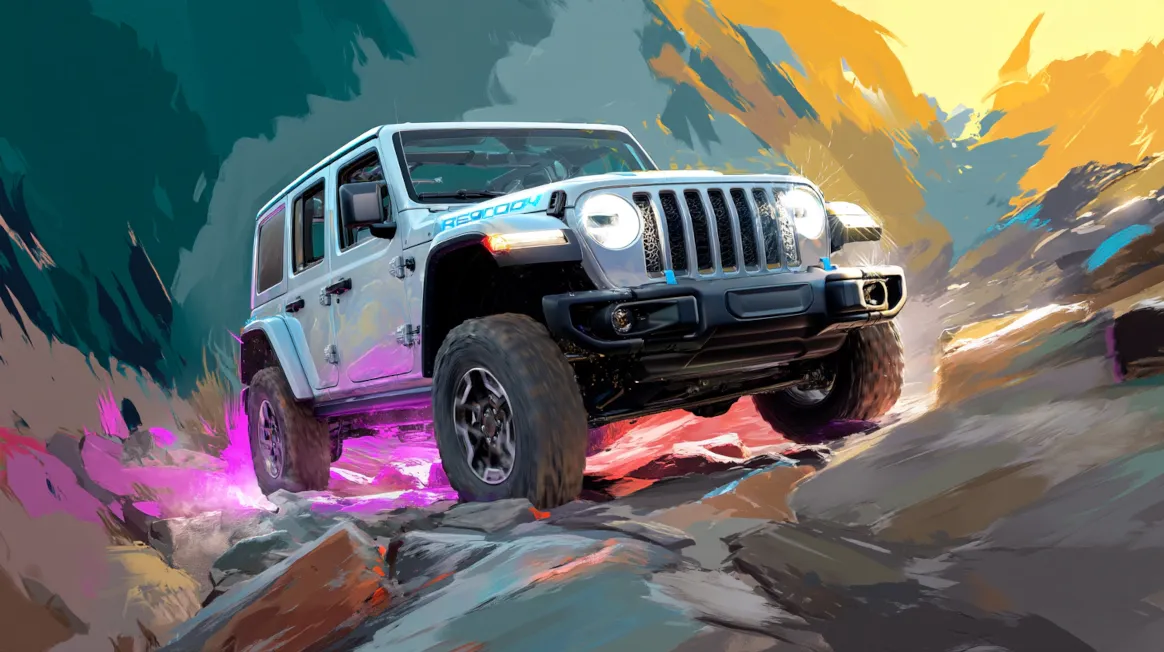
Jeep has been the most visible face of Stellantis electrification so far. The Wrangler 4xe and Grand Cherokee 4xe plug in hybrids have shown that electric power is not just for city commuting. It can also enhance off road capability. Instant electric torque, regenerative braking, and precise low speed control make plug in hybrid Jeeps more capable in certain conditions than their purely gas powered counterparts.
Wrangler 4xe has become one of the best selling plug in hybrids in the United States. That success is important, because it shows that customers who care about adventure and capability are willing to adopt electrified platforms when they see real benefits. These models still use internal combustion engines as part of their powertrains, but they pair them with electric motors and battery packs that add power and flexibility.
Mopar has responded by developing parts and accessories that acknowledge the unique needs of plug in hybrid off road vehicles. Lift kits and suspension components have to account for the extra weight and packaging of battery components. Underbody protection, skid plates, and off road accessories must be designed around high voltage systems to keep them safe from rock strikes or deep water crossings.
There is also more emphasis on electrical integration. Aftermarket lighting, winches, and accessories now have to share space and current capacity with plug in systems. Mopar has an advantage here, because factory backed parts can be engineered with a full understanding of the vehicle's electrical architecture. That is especially important for owners who want to preserve warranty coverage and long term reliability.
In an off road context, electrification becomes less about range anxiety and more about control and torque.
. That is ideal for careful climbs and obstacles. The 4xe system lets drivers choose when to use electric only operation and when to blend gasoline and electric power, which adds another layer of control to classic Jeep capability.
Electric Muscle and the New Dodge Performance Strategy
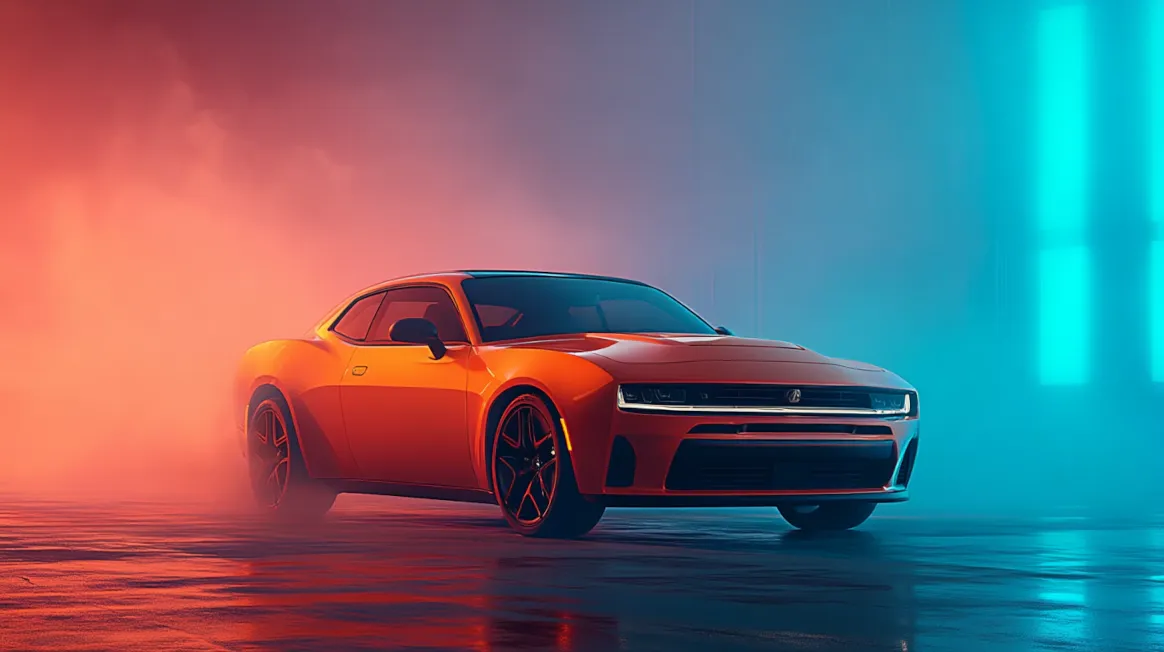
Dodge is in the spotlight when people talk about performance in the Stellantis family. The brand built its modern identity around the Challenger and Charger, with huge power numbers and bold personalities. As the company moves into electrification, Dodge has to prove that electric muscle can feel authentic, not just quiet and efficient.
The new Charger EV lineup is central to that effort. The next generation Charger Daytona models deliver serious horsepower and all wheel drive traction from electric powertrains. Some trims offer output that rivals or exceeds past supercharged V8 models, but with instant torque and fewer moving parts. Electric drive allows launch control strategies and torque vectoring that are difficult to match with traditional powertrains.
Dodge has also experimented with sound and feel. Artificial exhaust notes, shift simulations, and performance modes are designed to give drivers feedback that feels emotional, not just clinical. Whether every enthusiast will embrace those choices is an open question, but the goal is clear. Make an electric muscle car feel like a Dodge, not just a fast appliance.
On the Mopar side, the challenge is to turn these new electric platforms into canvases for customization. Direct Connection and Mopar performance parts can include software based stage kits, upgraded cooling modules, brake packages, and aerodynamic components that help the car handle repeated hard use. Battery and thermal management become part of the performance story, right alongside suspension and tires.
That means the new era of Dodge performance is as much about systems engineering as it is about motors and packs. Owners might buy a factory backed performance calibration for more power, paired with a higher capacity cooling loop, rather than swapping camshafts or superchargers in a garage. The tuning culture changes, but the desire to go quicker and handle better remains the same.
Mopar Performance in a Multi Energy World
Stellantis describes its strategy as multi energy. Instead of committing to a single powertrain solution across every market and model, the company designs platforms that can accept gasoline, hybrid, plug in hybrid, and battery electric systems. That flexibility allows Stellantis to adapt to local regulations, fuel prices, and customer preferences without redesigning entire vehicle families from scratch.
For Mopar, multi energy means that performance parts catalogs have to cover a wider range of technologies than ever before. In the past, a performance line might have focused primarily on intake systems, exhaust components, suspension kits, and cosmetic upgrades. Today, the list can include battery thermal modules, high performance inverters, software unlocks, aerodynamic enhancements, and components tuned for specific drive modes.
Cooling is a prime example. High output turbo engines and electric powertrains both rely heavily on precise thermal control. Radiators, intercoolers, battery chillers, and coolant pumps are all part of a larger thermal system. Mopar performance parts that improve cooling efficiency allow vehicles to sustain peak performance longer, whether that means towing up a grade, lapping a track, or using repeated launch control starts.
Aerodynamics are another area where multi energy performance comes into play. Electric vehicles and hybrids benefit strongly from reduced drag, while performance models still need downforce and stability at speed. Mopar can design aero parts that balance these needs, giving drivers real gains in range or stability without compromising styling.
Even wheels and tires have to be reconsidered. Larger wheels might look aggressive, but they can also impact range and efficiency on an EV or PHEV. Mopar performance wheels and tire packages can be tuned to strike a balance between appearance, grip, and energy use, with factory knowledge of weight, rolling resistance, and suspension tuning.
What This Means for Everyday Drivers
For everyday drivers who are not building track cars or chasing dyno numbers, Stellantis and Mopar performance changes will still be noticeable. The first obvious difference is how quickly vehicles respond to throttle input. Electric motors and modern turbo engines deliver torque almost immediately, which makes city driving and merging feel more effortless.
The second difference is in maintenance. Electrified powertrains reduce or remove many traditional service items. There is no engine oil in a battery electric vehicle, no spark plugs, no exhaust system, and fewer fluids overall. Plug in hybrids and advanced turbo engines still require maintenance, but intervals and component designs are chosen to last longer and work with modern lubricants and coolants.
Noise and vibration also change. Electric propulsion is naturally quiet, and Hurricane engines are smoother than older V8s. Some drivers will miss the old sounds. Others will appreciate the calm cabin and the way artificial sound is used selectively rather than constantly. In both cases, the goal is to let performance be felt in acceleration and control, not just heard.
For owners who want to personalize their vehicles, Mopar parts will increasingly focus on upgrades that enhance usability as well as performance. That might mean better lighting for night driving, improved braking for towing, accessories that integrate cleanly with charging ports, or storage solutions that work around battery packaging. Performance becomes part of a broader idea of capability and convenience, not just straight line speed.
What This Means for Enthusiasts and Tuners
Enthusiasts face a more complex landscape. Tuning a carbureted V8 with hand tools and a timing light is very different from managing power delivery in a modern hybrid or EV. Software, communication networks, and safety systems make it risky to change parameters without full information. At the same time, those same systems unlock new kinds of control that were impossible in the past.
Mopar performance parts and Direct Connection calibrations offer a safer path forward. Factory backed tunes and hardware packages are validated against stability systems, emissions, thermal limits, and component lifespans. That lets owners enjoy more performance without worrying about unexpected side effects as long as they stay within the supported envelope.
The culture will shift toward understanding logs, battery temperatures, and power limits, right alongside classic topics like gear ratios and tire compounds. Suspension tuning, brake upgrades, and wheel choices stay relevant across all powertrains, which gives custom builders familiar ground to stand on even as they learn new skills.
For some enthusiasts, this transition will feel like a loss. There is no replacing the feel of building a naturally aspirated V8 from the block up. But there is also an opportunity. Electric and hybrid platforms offer levels of repeatable, controllable performance that were once the domain of high end racing programs. When those tools become accessible through Mopar and Stellantis platforms, a new kind of performance community can grow around them.
Long Term Stellantis and Mopar Performance Strategy
Stellantis has laid out a long term roadmap that involves significant investment in electrification, new engine families, and flexible platforms. The company is pursuing multiple battery technologies and integrated systems that reduce weight, improve charging times, and increase efficiency. That work is not limited to small city cars. It extends to trucks, off road vehicles, and performance models.
For Mopar, long term strategy means committing resources to both sides of the transition. Owners of HEMI powered vehicles will need parts support and upgrades for many years. At the same time, growing fleets of Hurricane powered trucks, 4xe Jeeps, and Dodge EVs will look to Mopar first when they want parts that fit correctly and maintain safety systems.
Performance in this context is not a separate program. It is baked into the product planning process. Vehicles are engineered with higher output variants, tow ratings, and off road packages in mind. Mopar then designs parts that align with those use cases, rather than fighting the underlying design. That approach is more efficient and more reliable than trying to add performance after the fact with no factory involvement.
is a Mopar performance world that feels more integrated and more complex. Instead of a few universal hot rod recipes, there will be many targeted solutions tied to specific platforms and powertrains. For customers and shops that take the time to understand them, the potential is significant.
Conclusion
Stellantis is updating Mopar performance for the electric age by doing what it has always done at its best. Matching engineering with enthusiasm. The tools have changed. Big naturally aspirated V8s are giving way to turbocharged inline six engines, plug in hybrids, and fully electric drivetrains. Software, cooling, and battery management now matter as much as displacement and compression ratios.
What has not changed is the goal. Give drivers vehicles that feel strong, capable, and personal. Whether that comes from a Hurricane powered truck, a Wrangler 4xe, or a Charger EV, the spirit of Mopar performance can live on as long as Stellantis treats driving enjoyment as a priority, not an afterthought.
For everyday owners, the transition brings better torque, improved efficiency, and new types of reliability. For enthusiasts, it presents a learning curve and an invitation. Mopar performance is not disappearing. It is evolving. The next generation of builds will look different under the skin, but they will have the same core idea. Take a strong factory platform and make it even more your own.

About World Parts Direct
World Parts Direct is your online source for genuine OEM GM and Mopar parts and accessories. We sell the same factory backed parts you would find at your local dealership, backed by a low price and right part guarantee. When you order by VIN, our parts experts verify fitment before your order ships, so you can install with confidence.
Whether you are maintaining a HEMI powered classic, upgrading a modern Jeep 4xe, or planning long term care for a new Hurricane powered truck, choosing OEM components helps protect performance, safety, and long term reliability. You can browse our full catalog of factory parts and accessories at WorldPartsDirect.com.