
How to Prepare Your Car for Winter: Complete Checklist for Safety, Traction, and Reliability
How to Prepare Your Car for Winter A Complete Checklist
Cold exposes weak links. The first icy morning has a way of revealing the battery that’s tired, the wiper that streaks, and the tire that slips when the road turns glassy. Knowing how to prepare your car for winter turns those surprises into a plan. This is practical, step-by-step preparation tailored to U.S. climates and everyday driving, grounded in safety advice from transportation agencies and road-tested habits that actually help.
Prepare your car for winter by servicing the battery and cooling system, switching to winter tires where temperatures hover near freezing, topping off fluids with winter formulations, packing a roadside emergency kit, checking lights and wipers, and keeping the fuel tank at least half full. These steps improve traction, visibility, and reliability when conditions get unpredictable.
Why winter car prep matters and when to start
Safety, reliability, and cost savings
Winter magnifies small issues. Cold slows battery chemistry, so a marginal battery that cranked fine in September can struggle in January. Battery power drops with temperature, which makes starting harder and failures more frequent in cold snaps. Tires harden, tread loses bite, and braking distances grow as roads accumulate packed snow or that thin sheen of ice everyone dreads.
Switching to winter tires in harsh climates pays off because their rubber compounds stay pliable at low temperatures and grip better in snow, slush, and even cold dry pavement. AAA testing notes winter tires can shorten stopping distances and improve acceleration from a dead stop on slick surfaces compared with all-season options.
Reliability and visibility matter just as much. Worn wiper blades and weak washer fluid turn a flurry into a white blur. Dim or cloudy headlights reduce what drivers can see and what others see of the vehicle. An underfilled cooling system or the wrong antifreeze ratio invites freezing and corrosion damage. A simple habit also helps in any state with winter weather. Keeping the fuel tank at least half full reduces condensation that can lead to fuel line freeze ups and provides a reserve in case of delays or stranded stops.
There’s a budget angle too. Preventive service avoids the stranded tow and the premium paid for emergency repairs. A battery test and coolant service are modest compared with a seized water pump or alternator failure on a sleet-soaked shoulder. The difference between winter-ready and winging it shows up as calmer drives, fewer surprises, and less wear overall.
Ideal timeline by climate zone
When to start depends on local patterns. A sensible plan is to cue off first frost dates and average lows, then work backward a few weeks. Most people do best with a phased approach instead of rushing through everything on the season’s first freezing forecast.
| U.S. climate zone | Start prep | Tire switch window |
|---|---|---|
| Upper Midwest, Great Lakes, Northern New England | Late September to early October | Mid October to early November |
| Mountain West, Rockies, Cascades | Late September | October |
| Mid-Atlantic, Interior Northeast | October | Late October to November |
| Southern states with occasional freezes | November | Only if traveling to snowbelt regions |
| Pacific Coast lowlands | October to November | Only for mountain trips |
Timeline guidance above is editor-verified based on common regional weather patterns. Always align with local conditions and road agency advisories.
Signs your car isn’t winter-ready
- Slow cranking or intermittent no-starts after cool nights. Batteries often show their age as temperatures drop.
- Streaking wipers and chatter on the glass. Rubber has hardened or the blade is worn.
- Washer fluid freezes or smears. The reservoir likely holds a summer blend instead of winter formula.
- Tread depth below 4/32 inch. Traction drops fast in wet and snowy conditions.
- Cloudy, yellowed headlights or condensation inside the housings. Visibility suffers and bulbs can fail early.
- Coolant level low or unknown service history. Risk of freezing and corrosion rises in cold, long idles, and short trips.
One micro-moment everyone knows. The breath hangs in the air, the seat feels like a slab, and the starter drags for a long second. These are hints to act sooner, not later.
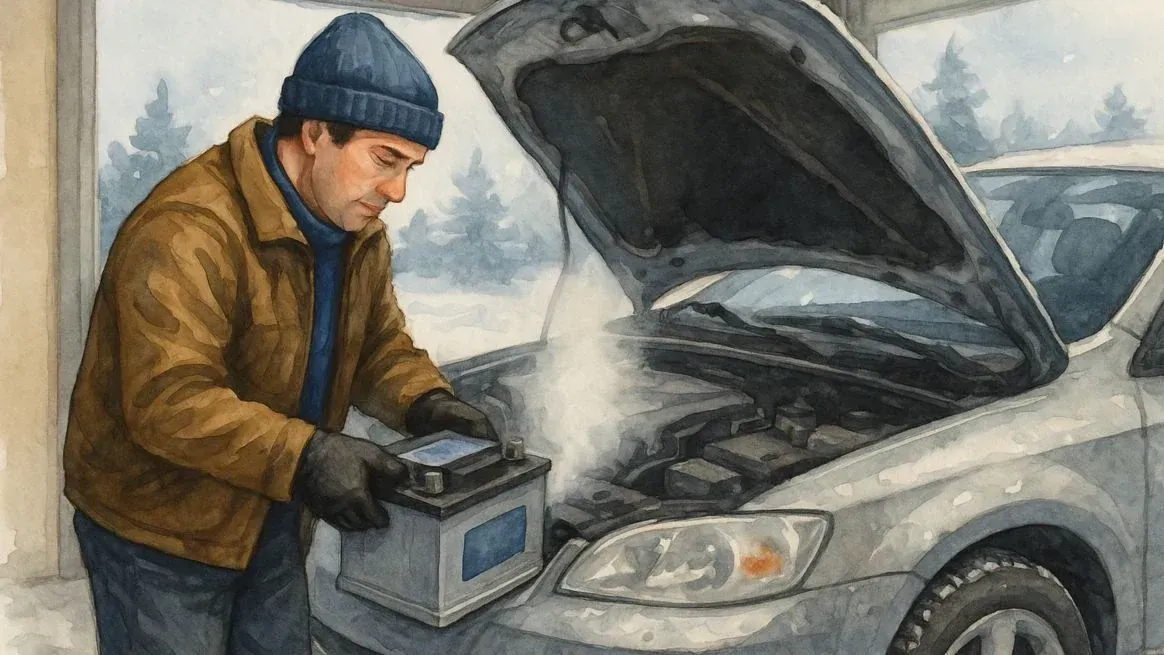
How to prepare your car for winter: quick-start checklist
Assess your vehicle and schedule service
- Check battery age and health. Request a load test and replace weak batteries before deep cold sets in. Outcome. Confident starts on cold mornings.
- Inspect cooling system. Verify antifreeze concentration and look for leaks and tired hoses. Outcome. Freeze protection and corrosion resistance.
- Evaluate tires. Measure tread depth and pressure and plan winter tire install if your climate calls for it. Outcome. Better traction on snow and ice.
- Service brakes. Ask for a rust check on rotors and calipers in snowbelt areas. Outcome. Consistent stopping without vibrations.
- Fix visibility. Replace wipers, top winter washer fluid, clean and aim headlights. Outcome. Clear view in storms and low light.
Prioritize critical replacements and upgrades
- Install a battery with adequate cold-cranking amps. 600 CCA or higher is generally recommended for winter performance in many vehicles.
- Switch to winter tires if temperatures regularly sit near freezing or below. All-season tires are acceptable for mild winters but compromise grip in harsher conditions.
- Upgrade to winter wiper blades. These resist ice buildup and keep sweep pressure consistent.
- Restore or replace headlight assemblies and bulbs that are cloudy or weak. Night driving demands clarity.
Here’s the thing. A couple of well-chosen upgrades deliver outsized confidence. Tires and battery are the heavy hitters. Wipers and lights are the quiet workhorses that keep trips uneventful.
Pack and organize your winter essentials
- Lay out safety basics. Ice scraper with brush, gloves and hats, blankets, first aid kit, flashlight with spare batteries. Outcome. Comfort and visibility if stranded.
- Add traction aids. Bagged sand or cat litter, compact shovel, traction mats or boards. Outcome. Self-recovery in light stuck situations.
- Prepare power and fluids. Jumper cables or a jump pack, winter washer solvent, paper towels. Outcome. Start assistance and clear glass.
- Stock food and water. Granola bars and half-filled water bottles to avoid freezing. Outcome. Sustenance during delays.
- Organize documents and contacts. Registration, insurance, roadside assistance number, and local travel info apps. Outcome. Faster help when needed.
Winterizing fluids and the cooling system
Antifreeze concentration and coolant service
Antifreeze is the backbone of winter reliability. Ethylene or propylene glycol mixed with distilled water prevents freezing and fights corrosion throughout the cooling system. A ratio between 50 percent and 70 percent antifreeze to water is commonly recommended for winter protection and corrosion resistance. Ask a technician what mix suits your engine and climate.
- Check the coolant level in the overflow tank with the engine cold. Top off with the correct pre-mix if low.
- Test freeze protection annually with an inexpensive tester available at most parts stores.
- Inspect hoses, belts, water pump seepage, and the radiator cap. Cold exposes weak seals.
A simple service saves bigger headaches. Fresh coolant with the right ratio reduces corrosion and keeps the engine from seizing if temperatures plunge. Avoid plain water in winter. It freezes, expands, and can crack blocks and burst hoses.
Engine oil viscosity and change intervals
Oil viscosity affects cold starts and protection during the first few minutes of driving. Follow the owner’s manual recommendation for winter. Many modern engines specify multi-grade oils that flow well at low temperatures yet protect at operating heat. Short, cold trips create condensation and fuel dilution, so changing oil on schedule matters more in winter. These points are editor-verified. Ask your shop whether a winter weight listed by the manufacturer improves cold cranking and early lubrication for your engine.
- Replace the oil filter with each oil change.
- Watch for milky residue under the oil cap from repeated short trips. That suggests moisture buildup.
Washer fluid, fuel additives, and de-icers
Visibility starts with the right fluid. Fill the reservoir with winter-formulated washer fluid. Summer blends can freeze and crack lines. If unsure about the fluid already in the tank, add washer fluid antifreeze. Many stores carry it for quick fixes.
- Replace worn wiper blades and consider winter blades with protective rubber to shed ice.
- Keep the fuel tank at least half full to limit condensation and reduce the risk of fuel line freeze ups.
- For gas engines in extreme cold, a fuel system dryer may help with water in the lines. Use products that match your vehicle and follow directions. Editor-verified.
Scraping ice is a winter ritual, but skip quick fixes that backfire. Do not pour hot water on icy glass. Rapid temperature changes can crack windshields.
Battery, starting, and charging system readiness
Test, load-check, and replace if needed
Batteries are seasonal truth-tellers. Cold mornings expose weak chemistry. Have the battery tested before the season. Many shops and roadside services can do a load check and advise whether replacement makes sense. A battery with at least 600 cold-cranking amps works well for many vehicles in winter, especially when accessories draw heavy loads on startup.
- Replace batteries older than their typical service life if testing shows marginal performance. Avoid waiting for the first big freeze.
- Consider a fresh battery before winter trips to remote areas where help may be delayed.
Terminals, cables, and alternator output
Starting and charging work as a system. Corrosion on terminals, loose clamps, and worn cables increase resistance and steal cranking power. Clean connections, add protective spray after service, and verify cable condition. Have a technician check alternator output and belt tension. Cold starts with lights, blower, and defrosters engaged demand healthy charging to restore the battery quickly.
- Listen for belt squeal at start. That can signal slip and low alternator output.
- Watch for dimming lights at idle with accessories on. That may point to charging issues.
Cold-cranking amps and accessory load
Winter mornings mean heated seats, rear defroster, blower on high, and headlights cutting through dull gray. That accessory load adds up. A battery spec with adequate CCA and a strong reserve capacity stands up better to the initial draw, and a healthy alternator refills quickly. Match battery specs to the vehicle’s needs and driving conditions. This balance prevents that slow, grinding start sound everyone recognizes right before a no-start.
Tires, traction, and chains for snow and ice
When to switch to winter tires vs all-season
Rubber behavior changes with temperature. All-season compounds harden when temperatures hover around freezing, which reduces grip. Winter tires use compounds that stay flexible, tread patterns that bite into snow, and sipes that clear slush. In areas with harsh winters or frequent trips into mountains, winter tires are the safer choice. In milder regions, all-season tires can be acceptable, but be mindful of freeze-thaw cycles and cold rain that create slippery surfaces.
- Switch to winter tires when temperatures consistently sit near freezing or lower and snow is expected.
- Install a full set. Mixing winter and all-season tires defeats the balance needed for stable handling.
Tire pressure, tread depth, and rotations
Tire pressure moves with temperature. Expect about 1 PSI change for every 10 degrees Fahrenheit. Check pressures more often in winter and set to the placard values on the driver’s door jamb, not the maximum listed on the sidewall.
- Measure tread depth. Below 4/32 inch means traction drops markedly on wet and snowy roads.
- Rotate on schedule to keep wear even. Front-heavy vehicles benefit from timely rotations before winter.
- Inspect for cupping or uneven wear, which can worsen in slippery conditions.
Chains, socks, and studded tire rules
In mountain regions, chain-control rules can appear quickly when storms roll through. Carry chains or approved traction devices if your route includes passes. Know how to install them off the roadside before heading out. Check state DOT rules on when chains are required and what types are permitted on passenger vehicles. In some states, studded tires have seasonal restrictions. Confirm local laws before equipping studs. These points are editor-verified and anchored in common DOT guidance.
- Practice chain installation in a dry driveway so roadside installs are faster and safer.
- Store gloves, a kneeling mat, and a headlamp with your chains.
Visibility and climate control: defrost, de-icing, and lighting
Wiper blades, de-icers, and windshield care
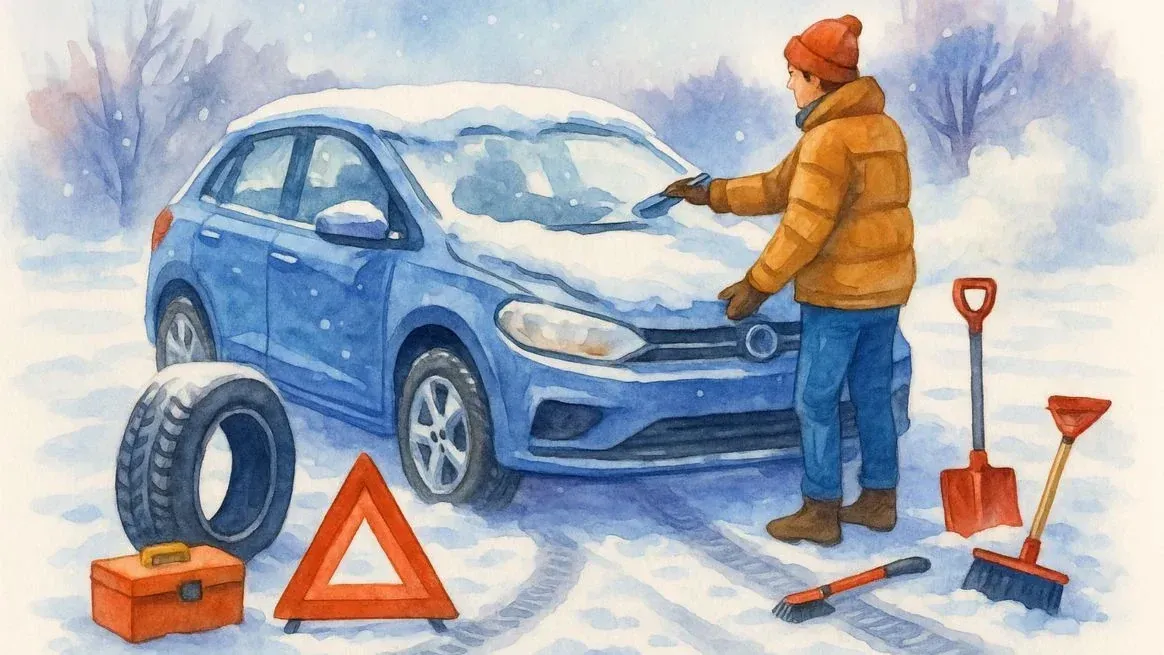
Snow and road spray turn glass into a mess. Replace worn wiper blades. Consider winter blades designed to resist ice buildup so the sweep stays clean. Fill with winter washer fluid and add a hydrophobic windshield treatment to help water bead away and make scraping easier.
- Carry a quality ice scraper and brush. Cheap tools flex and leave sheets of ice.
- Clear the windshield fully. Slit views are tempting but dangerous.
Headlights, fog lights, and aim adjustments
Shorter days, fog, and blowing snow turn lighting into a safety system. Cloudy lenses scatter light and dim output. Restoration kits can revive clarity, and fresh bulbs help when output has faded over time. Aim adjustments matter if the vehicle has been lifted, lowered, or loaded heavily.
- Fix condensation inside housings. Moisture can damage bulbs and wiring.
- Clean rear lights. Slush can coat lenses and remove your brake signal in a blink.
Heater, defroster, and remote start settings
Rear-window defrosters must work. Being unable to see behind in winter weather creates unsafe conditions and is often against state laws requiring clear windows. Many drivers use remote start to preheat cabins and clear glass, but be mindful of idling duration.
Prolonged idling increases the risk of carbon monoxide exposure and wastes fuel. Cycle the engine as needed to stay warm only when stranded and keep the exhaust pipe clear of snow.
Winter emergency kit and roadside preparedness
Core safety and survival items to carry
- Ice scraper and brush, compact shovel, traction aids like sand or cat litter.
- Jumper cables or jump pack, flashlight with spare batteries, first aid kit.
- Warm clothing layers, blankets, hats and gloves for all passengers.
- Non-perishable snacks and half-filled water bottles to reduce freezing risk.
“Pack for a delay even on a short errand” is a winter mantra worth repeating. What starts as a quick run can stretch when a bridge ices or a lane closes.
Tools, recovery gear, and traction aids
- Traction mats or boards. Slip them under drive wheels when stuck.
- Tow strap rated for vehicle weight. Only use proper recovery points.
- Work gloves, kneeling mat, headlamp. Comfort helps careful work in cold and dark.
Documentation, apps, and roadside plans
- Registration, insurance, roadside assistance phone number, and a portable charger.
- Local travel info apps. Many states offer 511 road condition services. Wisconsin’s 511 program is one example for current winter road conditions.
- If stranded in a storm, do not leave the vehicle unless visibility is good and help is close. Use dome lights to attract attention and run the engine sparingly for warmth with the exhaust clear.
Regional and legal considerations across the United States
Snowbelt maintenance and road salt protection
Road salt is both friend and foe. It helps keep highways passable, and it accelerates rust on undercarriages, brake lines, and suspension components. Regular underbody washes during winter reduce buildup. Rustproofing and undercoating, when professionally done, can slow corrosion in vehicles that see heavy salt.
Prioritize cleaning wheel wells and rocker panels where salt-laden slush packs in. These maintenance points are editor-verified and commonly recommended by service shops in snowbelt states.
Mountain pass travel and chain-control laws
Snow in passes arrives fast and sometimes hangs on for days. Chain-control laws may require traction devices on certain routes during storms. Confirm rules with the state DOT before trips. Carry chains, practice installation, and watch for chain control signs and enforcement checkpoints. Federal and state winter driving guidance emphasizes preparedness in these settings.
Southern states and sudden-freeze preparedness
Southern drivers often face black ice during brief cold snaps. The roads look wet and behave like glass. Winter washer fluid, healthy wipers, and recent tire inspections matter for those mornings. Keep a blanket and emergency items in the trunk even in Florida or Texas. Cold may be short-lived, but it tends to arrive overnight and turn commutes into hazard courses.
EVs and hybrids: winter-specific preparation and range management
Battery preconditioning and charging strategies
EV batteries prefer a moderate temperature range. Precondition the battery before fast charging and long drives when the weather is cold. Many vehicles allow scheduled preconditioning through the infotainment system or app.
Cold reduces available power and slows charging rates. Plan charging stops with extra buffer and use warmed, indoor stations when available. These are editor-verified best practices widely recommended by automakers.
Cabin preheat, heat pumps, and range tips
- Preheat the cabin while plugged in to reduce the draw on the traction battery.
- Use seat and steering wheel heaters rather than blasting cabin heat. They feel warmer faster with less energy draw.
- Keep speed steady and anticipate traction changes. Regenerative braking behavior varies in low temps and on slippery surfaces.
EVs with heat pumps manage cabin warmth more efficiently in cold weather than resistive heaters. If the vehicle offers a heat pump option, it helps winter comfort and range. These points are editor-verified and align with common EV design notes.
Tire and brake considerations for heavier EVs
EVs carry more weight due to battery packs. That extra mass changes traction demands and stopping distances in slippery conditions. Winter tires rated for the vehicle’s weight make a difference, and proper tire pressure is even more important for grip and efficiency.
Brake systems can see more rust in snowbelt regions when regenerative braking reduces friction-brake use. Periodically exercise the friction brakes to scrape off early rust, especially after salty drives.
How to prepare your car for winter storage
Pre-storage mechanical checklist
- Wash and dry the vehicle thoroughly. Add a coat of paint protectant to shed moisture.
- Change oil if the interval is due. Fresh oil sat through winter is better than acidic, used oil.
- Check coolant and brake fluid levels. Top up as needed and fix any slow leaks.
How to prepare your car for winter storage starts with a clean, dry baseline. Moisture and dirt drive corrosion. A little attention up front makes spring startup smoother.
Battery tender, fuel, and fluids for storage
- Connect a smart battery tender to maintain the 12 volt battery. Avoid periodic start-ups that cause condensation and incomplete warm-up.
- Add fuel stabilizer to a near-full tank. Run the engine long enough to circulate treated fuel into the lines.
- Inflate tires to the recommended pressure. Consider tire cradles or moving the car slightly each month to reduce flat spots.
Storage environment, pest control, and reactivation steps
- Store in a dry, ventilated space. A breathable cover helps keep dust off without trapping moisture.
- Use rodent deterrents in engine bay and interior areas if pests are a risk. Inspect for nesting signs monthly.
- In spring, remove the tender, check fluid levels, inspect belts and hoses, and test tire pressures before the first drive. Roll gently at first to let systems reawaken.
FAQs about winter car preparation
What should you do to your car before winter?
Test the battery and replace if weak. Verify antifreeze concentration and coolant level. Measure tire tread and install winter tires where temperatures hover near freezing. Replace wiper blades and fill winter washer fluid. Restore headlights and confirm defrosters work. Keep the fuel tank at least half full and pack a winter emergency kit.
Do I need to warm up my car before driving in cold weather?
Modern fuel-injected engines do not need long warm-ups. About thirty seconds of idling is generally enough, then drive gently until the engine reaches normal temperature. If stranded, avoid running the engine for long stretches to reduce carbon monoxide risk and fuel waste. Cycle on as needed with the exhaust clear of snow. Time guidance is editor-verified.
At what temperature should I switch to winter tires?
Switch when temperatures consistently hover around or below freezing and snow or slush is common. Winter tires use compounds that resist hardening in cold and provide better traction than all-season options under those conditions.
How often should I start a car during winter storage?
Do not start it periodically. Use a smart battery tender to maintain charge and leave the car off until spring. Short start-ups create moisture and never bring the engine to full operating temperature.
Can I use water instead of washer fluid in winter?
No. Water freezes and can damage the pump and lines. Use winter-formulated washer fluid and add washer antifreeze if necessary.
How do I winterize a diesel vehicle?
Use winterized diesel or an approved anti-gel additive when cold snaps arrive, keep the tank at least half full, drain the water separator if equipped, and replace the fuel filter on schedule. Follow vehicle-specific guidance and local temperature patterns.
Conclusion and next steps
Seasonal maintenance timeline
- Early fall. Battery test, coolant check, wiper replacement, headlight restoration.
- Mid fall. Install winter tires where needed, pack emergency kit, confirm defrosters and heater performance.
- First freeze. Recheck tire pressures, top winter washer fluid, keep fuel above half.
- Midwinter. Inspect brakes and undercarriage for salt buildup. Wash the underbody after storms.
- Pre-spring. Plan storage reactivation or tire swap back, check alignment, and refresh fluids due for service.
Recommended next steps
- Check your state DOT for chain-control rules and winter road condition apps. Wisconsin’s 511 program is a strong example.
- Review federal winter driving safety tips from NHTSA, especially for mountain travel and emergency behavior.
- Use tire and battery guidance from trusted sources to match your climate and vehicle needs.
In the end, preparing your car for winter is a series of simple, proactive steps that pay off every time temperatures fall. Strong batteries, proper tires, clear visibility, and a ready emergency kit turn winter from a threat into a manageable season. Start early, stay consistent, and your vehicle will handle cold snaps, storms, and long dark commutes with the reliability you count on.

About World Parts Direct
World Parts Direct is your go-to source for genuine OEM parts for GM and MOPAR vehicles. We make it easy to order factory-original parts online — shipped fast, accurately, and backed by real human support.
Every item we sell comes brand new in the manufacturer’s original packaging. Whether you’re handling routine maintenance, collision repair, or a full restoration, our parts professionals provide VIN-verified fitment support to ensure you get exactly what you need.
Serving drivers and repair shops worldwide, we proudly support brands like Chevrolet, GMC, Cadillac, Buick, Dodge, Chrysler, Jeep, and Ram. Shop confidently at WorldPartsDirect.com.