
Why Car Covers Deserve a Closer Look

Why Car Covers Deserve a Closer Look
Why Car Covers Deserve a Closer Look
The Common Perception of Car Covers as a “Simple Accessory”
Car covers are often viewed as a minor add-on, something drivers purchase after the fact or use only occasionally. They are frequently grouped with convenience items like sunshades or trunk liners rather than treated as a meaningful part of vehicle care. In this context, a car cover is seen as a basic layer of fabric meant to keep dust off a parked vehicle, nothing more.
This perception understates the role a car cover can play. When reduced to a simple accessory, important questions about material quality, fit, and proper use are rarely asked. As a result, many drivers either dismiss car covers entirely or use them in ways that limit their effectiveness.
TL;DR
- Car covers are often treated as simple accessories, but the right cover plays a meaningful role in long-term vehicle preservation.
- Quality car covers help protect against UV damage, paint oxidation, environmental contaminants, and gradual cosmetic wear.
- Indoor and outdoor car covers serve different purposes, and using the wrong type can unintentionally trap moisture or cause surface damage.
- Materials, construction layers, and breathability directly affect how well a car cover performs over time.
- Universal-fit covers often compromise protection due to poor fit, movement, and lack of vehicle-specific design features.
- Car covers are most effective for vehicles in long-term storage, seasonal use, or exposure-prone environments, not always for daily drivers.
- OEM and well-engineered covers prioritize material durability, proper fit, and tested performance rather than price alone.
- When chosen correctly, car covers function as preventative care, helping reduce cosmetic and functional degradation as part of a broader vehicle protection strategy.
Why Vehicle Damage Often Happens While Parked
Environmental Exposure Is Constant
A parked vehicle is continuously exposed to environmental stressors, even when it is not in use. These factors operate slowly, often without obvious signs until damage has already progressed.
Common sources of parked-vehicle damage include:
- UV radiation, which degrades paint and clear coat over time
- Moisture and humidity, leading to corrosion and mold risks
- Airborne contaminants such as pollen, dust, and industrial fallout
- Organic debris like tree sap and bird droppings
Unlike driving-related wear, these issues accumulate quietly. A vehicle may appear well-maintained while its exterior finishes and underlying materials steadily deteriorate.
How Modern Vehicles Have Changed the Role of Car Covers
Tighter Tolerances and More Sensitive Finishes
Modern vehicles rely on thinner paint systems, more complex body shapes, and precisely fitted exterior components. These advances improve efficiency and appearance but also increase sensitivity to environmental exposure.
Because of this, the interaction between a car cover and the vehicle surface matters more than ever. Poor breathability, inadequate lining, or excessive movement can introduce new risks rather than preventing damage. What once worked acceptably decades ago may no longer be sufficient for today’s vehicles.
What Most Guides Overlook About Car Covers
Protection Is About Interaction, Not Just Coverage
Many guides focus narrowly on whether a car cover is designed for indoor or outdoor use. While that distinction is important, it does not address how a cover behaves once installed.
Frequently overlooked factors include:
- How moisture behaves beneath a cover
- The effect of improper fit on paint and trim
- The risks of covering a dirty or damp vehicle
- How long-term use changes inspection and maintenance needs
Without understanding these elements, even a high-quality cover can be misused, reducing its protective value.
Setting the Foundation for a Deeper Understanding
This article approaches car covers as part of a broader preventative care strategy, not a one-size-fits-all solution. It examines what car covers are truly designed to protect against, how design choices influence performance, and why informed selection matters.
With this context established, the next section takes a closer look at the specific types of damage car covers are meant to prevent, and why those risks are more common than many drivers realize.
The Types of Damage Car Covers Are Designed to Prevent
Damage Does Not Always Come From Driving
Many drivers associate vehicle wear with mileage, road conditions, and mechanical use. In reality, some of the most persistent and costly damage occurs when a vehicle is stationary. Environmental exposure acts continuously and unpredictably, affecting paint, trim, seals, and finishes even when a car appears untouched. Car covers are designed to interrupt this slow degradation by creating a controlled barrier between the vehicle and its surroundings.
Understanding what car covers are meant to protect against helps clarify why their design, materials, and proper use matter as much as they do.
UV Exposure and Long-Term Paint Oxidation
Sunlight as a Silent Degrading Force
Ultraviolet radiation is one of the most damaging environmental factors a vehicle faces. Over time, prolonged sun exposure breaks down the clear coat that protects automotive paint. This process leads to oxidation, fading, and a dull or chalky appearance, particularly on horizontal surfaces such as hoods, roofs, and trunk lids.
Even vehicles parked outdoors for short daily periods can experience cumulative UV damage. Darker paint colors often show fading more quickly, while lighter finishes may lose gloss and depth. A properly designed car cover blocks or reflects UV rays, slowing this degradation and helping preserve the paint’s original finish. This protection becomes especially important for vehicles parked outdoors in sunny or high-altitude regions, where UV intensity is consistently higher.
Moisture, Condensation, and Corrosion Risk
Water Is Not Always Visible
Moisture-related damage does not require heavy rain. Humidity, dew, and temperature changes can all lead to condensation forming on vehicle surfaces. When moisture becomes trapped in seams, around trim, or near metal components, it increases the risk of corrosion and mold development.
Car covers are intended to limit direct water exposure while allowing moisture to escape. This balance is critical. Covers that repel water but lack breathability can trap condensation against the vehicle, creating conditions that accelerate corrosion rather than prevent it. Properly engineered covers manage moisture movement instead of simply sealing it in.
Environmental Contaminants and Surface Degradation
Everyday Debris With Long-Term Consequences
Airborne contaminants settle on vehicles constantly, whether parked on a city street, in a driveway, or beneath trees. Over time, these substances can etch, stain, or chemically react with exterior surfaces.
Common environmental contaminants include:
- Tree sap, which can harden and bond to paint
- Pollen, which can embed itself into clear coat and trim
- Bird droppings, which are acidic and can cause rapid etching
- Dust and industrial fallout, which can create micro-abrasions
A car cover acts as a sacrificial layer, preventing these materials from making direct contact with the vehicle. By absorbing or deflecting contaminants, the cover helps preserve paint and trim that would otherwise require frequent cleaning or corrective detailing.
Minor Physical Contact and Abrasion
Protection From Incidental Damage
While car covers are not designed to stop major impacts, they can reduce the effects of minor physical contact. Wind-blown debris, accidental brushes from passersby, or light contact from nearby objects can leave marks on unprotected surfaces. A well-fitted cover helps minimize these risks by adding a soft buffer layer.
Transitioning From Threats to Solutions
The types of damage car covers are designed to prevent are varied, slow-moving, and often overlooked until repair becomes necessary. However, not all covers address these threats in the same way. The effectiveness of a car cover depends heavily on where and how it is used. With that in mind, the next section examines the critical differences between indoor and outdoor car covers, and why choosing the wrong type can undermine the protection drivers expect.
Indoor vs Outdoor Car Covers: Key Differences That Matter
Why Storage Environment Shapes Cover Performance
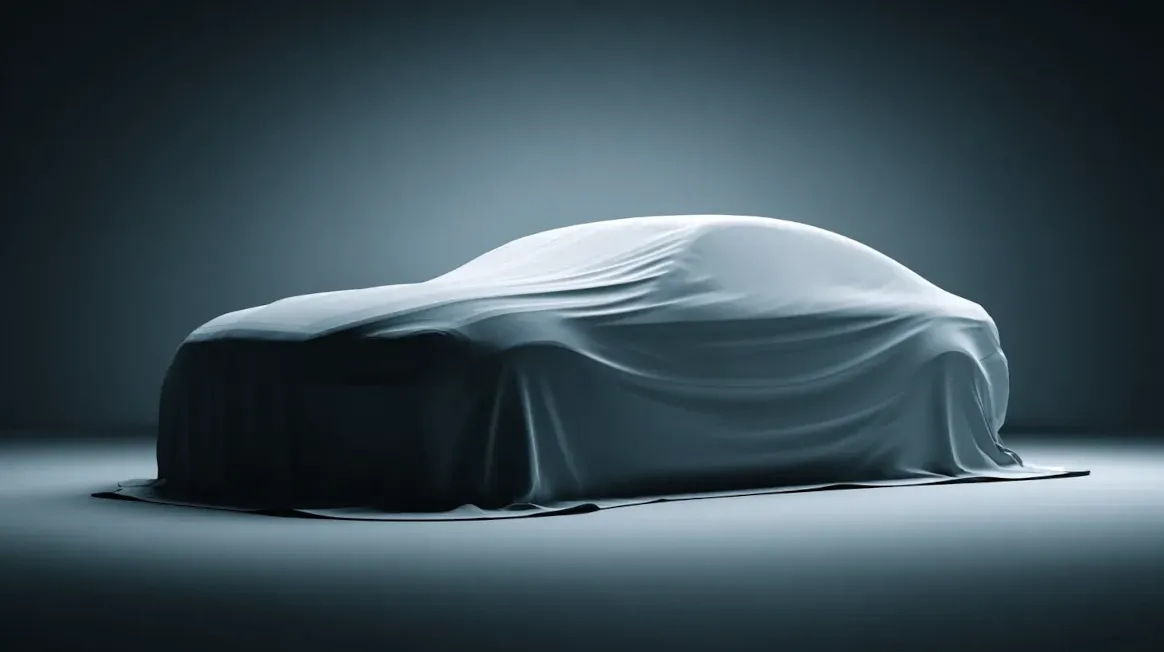
Car covers are often categorized simply as indoor or outdoor, but this distinction is more than a marketing label. The environment in which a vehicle is stored directly determines the types of threats it faces and the kind of protection a cover must provide. Using the wrong type of cover can be ineffective at best and damaging at worst.
Understanding these differences helps explain why a cover that works well in a garage may fail when used outdoors, and why heavier protection is not always the safer choice.
Environmental Factors Unique to Indoor Storage
Controlled Spaces With Hidden Risks
Indoor storage is typically assumed to be safe by default. Garages and storage facilities limit direct exposure to sunlight, rain, and debris, but they introduce their own set of conditions that affect vehicle preservation.
Common indoor environmental factors include:
- Dust accumulation, which can settle evenly across paint and trim
- Low air circulation, especially in enclosed or climate-controlled spaces
- Temperature fluctuations, particularly in attached or uninsulated garages
- Residual moisture, caused by humidity, condensation, or tracked-in water
Indoor car covers are designed to address these concerns. They are usually lighter, more breathable, and focused on preventing dust buildup and light surface contact. Their primary goal is to protect finishes without trapping moisture or restricting airflow. In this setting, excessive thickness or heavy coatings can be counterproductive, increasing the risk of condensation beneath the cover.
Outdoor Storage Requires a Different Level of Protection
Exposure Is Constant and Unpredictable
Vehicles stored outdoors face a broader and more aggressive range of environmental threats. Sunlight, rain, wind, and airborne contaminants act simultaneously and continuously. Outdoor car covers must manage UV exposure, water resistance, and physical durability while still allowing moisture to escape.
Outdoor covers typically use multi-layer constructions, protective coatings, and reinforced areas to withstand prolonged exposure. They are designed to remain stable in wind and resist breakdown from sunlight. However, these added protective features must be carefully balanced. A cover that blocks water but lacks breathability can trap moisture against the vehicle, creating long-term issues beneath the surface.
Why Using the Wrong Type of Cover Can Cause Unintended Damage
More Protection Is Not Always Better
A common mistake is assuming that an outdoor-rated cover offers superior protection in all situations. When used indoors, a heavy outdoor cover can restrict airflow and trap humidity, increasing the risk of corrosion and mold. Conversely, an indoor cover used outdoors may deteriorate quickly, fail to block UV rays, and allow moisture to reach the vehicle.
Unintended damage can result from:
- Trapped condensation caused by poor breathability
- Excessive movement due to improper fit in windy conditions
- Material breakdown from UV exposure beyond a cover’s design limits
- Surface abrasion when a cover shifts against paint or trim
Selecting a cover that matches the storage environment is essential. The goal is not maximum thickness or weight, but appropriate performance for the conditions the vehicle faces.
Setting Up the Material Conversation
The differences between indoor and outdoor car covers highlight a critical theme: protection depends on how materials behave in real-world conditions. Fabric choice, layering, and surface contact all influence how a cover performs over time. With that in mind, the next section takes a closer look at the materials used in car covers, and how those materials directly affect breathability, durability, and long-term vehicle protection.
Materials Used in Car Covers and How They Affect Performance
Why Material Choice Defines Effectiveness
The performance of a car cover is determined largely by what it is made from. While appearance and price often influence purchasing decisions, the materials used in a cover dictate how well it protects a vehicle over time. Fabric selection affects breathability, durability, moisture control, and how safely the cover interacts with painted and finished surfaces.
Understanding these materials helps explain why some covers provide reliable long-term protection while others introduce new risks.
Common Fabrics Used in Car Covers
Single-Layer and Woven Materials
Basic car covers often rely on single-layer woven or non-woven fabrics. These materials are lightweight and generally breathable, making them suitable for indoor environments where moisture control is a priority.
Characteristics of single-layer fabrics include:
- Lightweight construction that is easy to install and remove
- Good airflow, reducing condensation risk
- Limited resistance to UV exposure and moisture
- Lower durability when exposed to outdoor conditions
While effective in controlled settings, these materials are not designed to withstand prolonged exposure to sunlight or heavy precipitation.
Multi-Layer Constructions and Enhanced Protection
Layering for Environmental Defense
Higher-quality car covers often use multi-layer constructions, combining different materials to address multiple environmental threats simultaneously. These designs typically include an outer layer for weather resistance and inner layers focused on breathability and surface protection.
Multi-layer covers commonly feature:
- Weather-resistant outer shells to block UV rays and repel water
- Breathable middle layers that allow moisture vapor to escape
- Soft inner liners designed to minimize abrasion on paint and trim
This layered approach allows covers to provide broader protection while reducing the risks associated with fully sealed materials.
Breathability vs Water Resistance Trade-Offs
Finding the Right Balance
One of the most important material considerations is the balance between breathability and water resistance. Covers that prioritize water resistance alone may prevent rain from reaching the vehicle, but they can also trap moisture beneath the surface. Over time, this trapped moisture increases the likelihood of corrosion, mildew, and finish degradation.
Conversely, highly breathable materials may allow moisture to escape but provide less protection against heavy rain or prolonged exposure. The ideal car cover manages this trade-off by repelling external moisture while allowing internal moisture to dissipate.
Material performance depends on:
- Climate conditions, such as humidity and rainfall frequency
- Storage duration, including short-term versus long-term use
- Vehicle exposure, such as direct sun or sheltered areas
Selecting the right material means matching these factors to how and where the vehicle is stored.
Inner Linings and Surface Safety
Protecting Paint and Trim
The inner surface of a car cover is just as important as the outer layers. Soft linings reduce friction between the cover and the vehicle, helping prevent micro-abrasions caused by movement. Rough or poorly finished interiors can mark delicate paint finishes, especially when debris becomes trapped beneath the cover.
High-quality linings are designed to glide smoothly over surfaces and maintain consistent contact without grinding against paint or trim.
Leading Into Fit and Function
Material quality sets the foundation for protection, but even the best fabrics cannot compensate for poor fit. How a cover conforms to a vehicle’s shape influences airflow, stability, and surface contact. The next section explores why proper fit is critical, and how universal covers often fall short in real-world use.
Proper Fit: Why Universal Covers Often Fall Short
Fit Is as Important as Material
When evaluating car covers, fit is often treated as a secondary consideration behind material quality or price. In practice, fit plays an equally critical role in how effectively a cover protects a vehicle. Even a well-constructed cover made from high-quality materials can introduce problems if it does not conform properly to the vehicle it is meant to protect.
A car cover is not a static shield. It moves with wind, temperature changes, and routine handling. How closely it follows the vehicle’s shape determines whether it stays in place, allows proper airflow, and avoids unnecessary contact with sensitive surfaces.
The Importance of Vehicle-Specific Sizing
Precision Matters More Than Coverage Area
Universal car covers are designed to fit a wide range of vehicles within a general size category. While this approach offers convenience, it often sacrifices precision. Excess fabric can bunch, sag, or flap in the wind, while tight areas may stretch or pull against body panels.
Vehicle-specific sizing provides:
- Consistent coverage without excessive material movement
- Improved airflow, reducing moisture buildup
- Reduced friction against paint and trim
- Greater stability in outdoor conditions
Covers tailored to a specific vehicle’s dimensions are better able to maintain their position over time. This stability minimizes abrasion and prevents the cover from acting like a moving surface against the paint.
How Poor Fit Leads to Unintended Wear
Movement Creates Risk
When a cover does not fit correctly, movement becomes unavoidable. Wind can cause loose material to rub against paint, creating fine scratches that are difficult to correct. In outdoor environments, poorly fitted covers may shift enough to expose sections of the vehicle, undermining their protective purpose altogether.
Moisture management is also affected by fit. Loose areas can trap pockets of humid air, while overly tight sections may restrict airflow. Both conditions increase the likelihood of condensation forming beneath the cover.
Mirror Pockets, Antenna Allowances, and Body Contours
Design Details That Make a Difference
Modern vehicles feature complex shapes that generic covers struggle to accommodate. Elements such as side mirrors, antennas, rear spoilers, and sharply contoured body lines all influence how a cover sits on the vehicle.
Well-designed covers account for:
- Mirror pockets, which prevent stretching and reduce stress on seams
- Antenna allowances, avoiding pressure points and tearing
- Defined body contours, allowing the cover to drape evenly
- Elastic hems or securing points, improving stability
These design features help the cover behave as an extension of the vehicle’s shape rather than an ill-fitting layer placed over it.
Ease of Use and Long-Term Consistency
Fit Influences Habits
A properly fitted cover is easier to install, remove, and store. When a cover fits well, drivers are more likely to use it consistently and correctly. Covers that are awkward, heavy, or difficult to align are often used less frequently or improperly, reducing their overall benefit.
Preparing for Common Usage Errors
Fit and material establish the foundation for effective protection, but user behavior still plays a major role. Even the best-fitting cover can cause damage if it is used incorrectly. The next section explores common mistakes drivers make when using car covers, and how small oversights can undermine long-term vehicle protection.
When a Car Cover Makes Sense and When It Doesn’t
Car Covers Are Not a Universal Solution
Car covers are often presented as a blanket recommendation for vehicle protection, but their effectiveness depends heavily on how a vehicle is used and where it is stored. In some situations, a car cover provides clear, measurable benefits. In others, it may offer little advantage or even introduce unnecessary inconvenience. Understanding these distinctions helps drivers make practical, informed decisions rather than relying on assumptions.
Daily Drivers vs Long-Term Storage Vehicles
Usage Patterns Matter
Vehicles that are driven daily face different risks than those stored for extended periods. For daily drivers, especially those parked outdoors, a car cover can help reduce sun exposure and shield the vehicle from environmental contaminants. However, frequent installation and removal increases the chances of improper use, such as covering a dirty or damp surface.
For many daily drivers, the benefits of a car cover are most noticeable when parking conditions are consistent. A vehicle parked in the same outdoor location each night may benefit from regular coverage, while one that moves frequently between locations may not see the same return.
Long-term storage vehicles present a clearer case for car covers. Cars stored for weeks or months at a time are more vulnerable to slow, cumulative damage. In these scenarios, a properly selected cover acts as a stable protective barrier, reducing exposure without frequent handling. This makes car covers particularly valuable for seasonal vehicles, secondary cars, or vehicles undergoing extended storage.
Climate Considerations and Regional Differences
Environment Shapes Effectiveness
Climate plays a decisive role in whether a car cover makes sense. In hot, sunny regions, prolonged UV exposure accelerates paint degradation and interior fading. Here, a UV-resistant cover can significantly slow cosmetic aging. In areas with frequent rain or high humidity, moisture management becomes the primary concern. Breathable covers designed for wet environments help limit corrosion and mildew risks when used correctly.
Cold climates introduce different challenges. Snow, ice, and road salt increase exposure to moisture and contaminants, particularly during winter storage. In these regions, covers must manage melting snow and condensation without sealing moisture against the vehicle.
Regional factors that influence cover suitability include:
- Sun intensity and duration
- Average humidity levels
- Seasonal weather patterns
- Urban versus rural air quality
Selecting a cover without considering these factors often leads to disappointment or misuse.
When a Car Cover May Not Be the Best Option
Situations Where Alternatives Make Sense
In some cases, alternatives may offer better protection with less risk. Vehicles stored in well-ventilated, climate-controlled garages may only require light dust protection. Regular washing, waxing, and the use of paint protection products can be more effective than frequent cover use.
Similarly, vehicles parked in highly variable conditions or moved multiple times per day may not benefit from consistent coverage. In these cases, the risk of trapping dirt or moisture may outweigh the protective advantages.
Transitioning to Storage Duration and Strategy
Determining whether a car cover makes sense requires evaluating usage patterns, climate, and storage conditions together. Once that decision is made, storage duration becomes the next critical factor. The following section explores the differences between short-term and long-term storage, and how car cover strategies should adapt accordingly.
Quality Standards: What Separates a Good Car Cover from a Cheap One
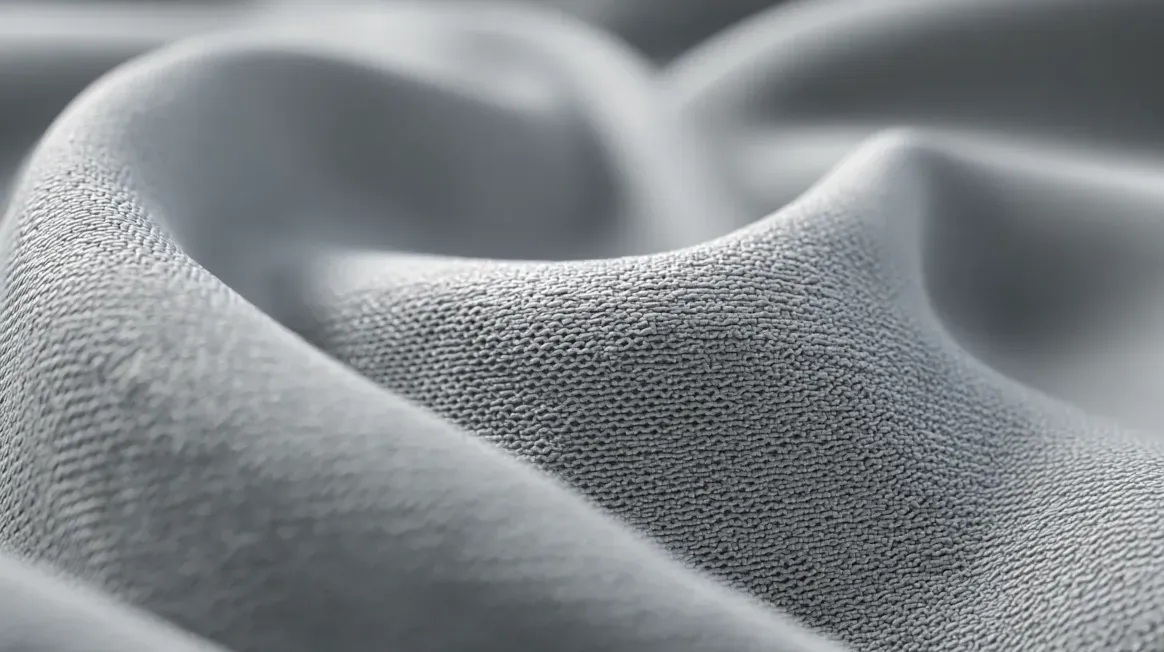
At a glance, most car covers appear similar. They share familiar shapes, promise protection, and often claim to be “weatherproof” or “all-season.” But the difference between a well-engineered car cover and a cheap alternative becomes obvious over time. Quality is not just about how a cover looks when it is new. It is about how it performs after months or years of real-world use.
Why OEM Is Almost Always a Good Choice
Engineered for specific vehicles
OEM car covers are designed alongside the vehicles they protect. That means the materials, fit, and attachment points are tested against real body panels, paint systems, and trim materials. This reduces the risk of abrasion, water trapping, or improper tension that can damage finishes.
Materials matched to factory paint systems
Modern automotive paint is thinner and more complex than older finishes. OEM covers are typically tested to ensure compatibility with clear coats, plastics, and rubber trim, minimizing chemical reactions or surface dulling over time.
Consistent manufacturing standards
OEM suppliers are held to strict production tolerances. Stitching quality, seam placement, and fabric layering are controlled more carefully than with mass-market alternatives.
Material Longevity and Resistance to Breakdown
UV stability over time
A key quality marker is UV resistance. Cheap covers often fade, stiffen, or crack after prolonged sun exposure. High-quality covers use UV-stabilized fibers that maintain flexibility and strength season after season.
Resistance to moisture and mildew
Lower-grade materials can trap moisture or break down when repeatedly exposed to rain and humidity. Premium covers are engineered to resist mold growth while maintaining breathability, even in fluctuating climates.
Stitching and seam durability
Seams are a common failure point. Quality covers use reinforced stitching, sealed seams, and abrasion-resistant thread that does not unravel or rot under environmental stress.
Why Price Alone Is Not a Reliable Indicator of Value
Cheap covers often create hidden costs
A low upfront price can lead to paint correction, trim damage, or repeated replacement, costing far more than a better cover would have initially.
Premium does not always mean better
Not all expensive covers are well designed. Some prioritize branding or heavy materials over practical performance, resulting in poor breathability or difficult handling.
Value is defined by protection over time
True value comes from a cover that protects consistently without causing secondary damage. Fit accuracy, material stability, and long-term reliability matter far more than price tags.
As quality standards become clearer, another question naturally follows. Even the best cover can fail if it is not used correctly. Understanding how to care for, install, and maintain a car cover is just as important as choosing the right one. That is where we turn next.
Final Thoughts: Car Covers as Preventative Vehicle Care
Reframing Car Covers as Part of a Broader Protection Strategy
Car covers are often discussed as a standalone solution, but their real value becomes clear when they are viewed as part of a broader vehicle protection strategy. Much like routine maintenance or proper storage practices, a car cover is most effective when it complements other forms of care rather than replacing them.
Preventative vehicle care focuses on minimizing exposure to known risks before damage occurs. In this context, a car cover works alongside regular washing, paint protection, interior care, and thoughtful storage decisions. It serves as a physical barrier that reduces environmental stress while a vehicle is not in use, preserving the results of other maintenance efforts rather than attempting to compensate for neglect.
This perspective shifts the conversation away from whether a car cover is necessary and toward when and how it should be used. Not every vehicle requires constant coverage, but many benefit from targeted protection during periods of exposure or inactivity.
How Informed Choices Reduce Cosmetic and Functional Degradation
Small Decisions With Long-Term Impact
Vehicles age gradually. Cosmetic issues such as faded paint, stained trim, or etched clear coat often appear long before functional problems, but they are frequently early indicators of broader deterioration. Environmental exposure does not affect appearance alone. Over time, moisture intrusion, UV damage, and contaminant buildup can compromise seals, fasteners, and surface coatings.
Informed car cover choices reduce both cosmetic degradation and functional risk by addressing the root causes of this wear. Selecting the correct cover type, material, and fit limits unnecessary exposure and prevents secondary damage caused by improper use. Just as importantly, understanding when not to use a cover avoids creating conditions that could accelerate deterioration.
These decisions are cumulative. A vehicle protected consistently over years will often retain its finish, structural integrity, and overall quality far longer than one left exposed, even if both receive similar mechanical maintenance.
The Role of Intentional Use
Protection Requires Awareness
A car cover is not a passive solution. Its effectiveness depends on thoughtful use, including installing it on a clean, dry surface and inspecting the vehicle periodically. When used intentionally, a cover becomes a tool for preservation rather than a temporary convenience.
Drivers who understand their storage environment, climate conditions, and usage patterns are better positioned to use car covers effectively. This awareness transforms the cover from a reactive purchase into a proactive investment in long-term vehicle ownership.
Conclusion
Car covers are often underestimated because their benefits are subtle and long-term rather than immediate and visible. When chosen carefully and used correctly, they reduce environmental exposure, slow cosmetic aging, and help preserve the integrity of modern vehicles. Reframing car covers as a form of preventative vehicle care highlights their true purpose. They are not a cure-all, nor are they necessary in every situation, but as part of a broader protection strategy, they play a meaningful role in extending the life and quality of a vehicle. Informed decisions, grounded in an understanding of materials, fit, environment, and usage, ultimately determine whether a car cover becomes a safeguard or a liability.

About World Parts Direct
World Parts Direct is your go-to source for genuine OEM parts for GM and MOPAR vehicles. We make it easy to order factory-original parts online — shipped fast, accurately, and backed by real human support.
Every item we sell comes brand new in the manufacturer’s original packaging. Whether you’re handling routine maintenance, collision repair, or a full restoration, our parts professionals provide VIN-verified fitment support to ensure you get exactly what you need.
Serving drivers and repair shops worldwide, we proudly support brands like Chevrolet, GMC, Cadillac, Buick, Dodge, Chrysler, Jeep, and Ram. Shop confidently at WorldPartsDirect.com.