
Why Engine Block Heaters Matter in Cold Weather
Why Engine Block Heaters Matter in Cold Weather
TLDR
A block heater warms the engine before startup in freezing weather. This reduces battery strain, improves oil flow, lowers emissions, protects engine parts, and helps vehicles start reliably in harsh winter conditions. They are especially valuable for diesel engines and for vehicles parked outdoors in temperatures below freezing. Most drivers only need to plug one in a couple hours before driving. Block heaters are a simple solution to prevent cold start wear and improve comfort.
Introduction
Cold weather changes how a vehicle behaves. The same engine that starts easily in mild weather can hesitate when the temperature drops. Thicker oil, weaker batteries, and slower combustion all make winter driving harder on the vehicle. For people who live in regions with harsh winters, that struggle happens day after day for several months.
A block heater is designed to give the engine a head start by warming it before turning the key. This small change reduces stress on the starter motor, helps oil circulate faster, and makes the first seconds of driving easier on the entire vehicle. Although block heaters are common in northern climates, many drivers elsewhere are not familiar with them or assume they are only for older vehicles. In reality, they are still one of the most effective winter protection tools available for modern cars, trucks, and SUVs.
What Is a Block Heater and How Does It Work
A block heater is a small electrical component that warms the engine from the inside while the vehicle is parked. When plugged into an outlet, it slowly raises the temperature of the engine block and the coolant that flows through it. This gentle preheating keeps the metal surfaces from getting extremely cold and helps the engine reach normal temperature more quickly once it is started.
The most common design replaces a freeze plug in the side of the engine block. Because coolant flows around this area, heat spreads through the block efficiently. Other versions attach to the outside of the oil pan to warm the engine oil directly. Some heaters sit within a coolant hose and warm coolant as it circulates when the engine begins to move fluid.
Unlike devices such as remote start systems, a block heater prepares the engine before any cranking happens. This prevents most of the stress that cold conditions cause in the first seconds after startup.
Why Cold Starts Are Hard on Engines
Engines are built to operate at a certain temperature range. When they are far below that range, everything inside works harder.
Oil thickens in the cold
Cold oil is slower to flow and does not reach important engine parts as quickly. Until it does, those parts operate with less lubrication than they should.
Batteries lose power
Batteries rely on chemical reactions that slow down in low temperatures. The colder it gets, the harder the battery must work to turn the engine over.
Metal contracts
Inside the engine, moving parts fit together precisely. When metal becomes cold, it contracts, making these parts fit tighter and move with more resistance.
Combustion stabilizes slowly
Fuel does not vaporize as well in cold air. Engines need more fuel at startup to keep running until the cylinders warm up.
This combination creates the period of highest wear an engine sees in its lifetime. Reducing that difficulty is the purpose of a block heater.
Benefits of Using a Block Heater
A block heater does not change how the engine works. It simply helps the engine start under better conditions. The results are noticeable:
Starts are faster and smoother
The starter does not have to push against thick oil and tight metal surfaces.
Less friction means less wear
Parts receive oil faster and experience less stress while warming up.
Lower fuel use during warm up
Engines need less extra fuel if they are already closer to operating temperature.
Cleaner emissions in early minutes
Warm coolant helps emission systems become fully effective sooner.
Defrost and cabin heat start earlier
Heated coolant moves through the heater core faster, improving visibility and comfort.
Drivers in areas with long winters can see these benefits every single morning.
When You Should Use One
A block heater becomes more useful as temperatures go down. The exact point where benefit begins varies depending on the vehicle and conditions, but general guidance is straightforward:
Recommended when temperatures regularly fall below freezing
Very helpful below 0 degrees Fahrenheit
Most valuable when vehicles sit outside overnight
Useful for short commutes where engines stay cold most of the trip
Even in moderate cold, engines that do not fully warm up can see long term wear. For drivers with a short drive to work, a heater can help keep the engine healthier over time.
Diesel Engines Benefit Even More
Diesel engines rely on high compression to ignite fuel. Cold air does not heat as quickly as it compresses which makes ignition harder. Compared to gasoline engines, diesel engines experience more cranking effort, rougher initial combustion, and slower warm up in cold weather.
Block heaters help reduce these challenges by raising the temperature of the engine block before the first turn of the key. Because the benefit is so significant, many diesel vehicles in cold regions include block heaters as standard equipment.
Types of Block Heaters
Block heaters come in a few different forms. The right one depends on the engine design and installation access.
Freeze plug style
These replace one of the factory freeze plugs. They warm coolant and engine block surfaces directly, usually providing the best coverage.
Oil pan heaters
Thin heaters that attach to the bottom of the oil pan. They focus on warming oil so it flows faster at startup.
In line coolers
Installed into a coolant hose. Some designs allow warmed coolant to slowly circulate and spread heat more quickly.
All types help with cold starts. The main differences are where heat is applied and how difficult the installation may be.
How to Use One the Right Way
Using a block heater is simple and does not require special tools or skills. Plug it into a standard outlet and allow time for warming.
Key best practices:
Plug in two to four hours before driving for meaningful benefit
In very cold weather, allow extra time to raise engine temperature
Use a timer so it only runs when needed
Route cords safely and avoid moisture at the connection point
Inspect the cable for cracks from cold exposure
Leaving a heater plugged in all night does not usually improve results more than using it for a few hours before driving.
Cost and Energy Use
Block heaters use relatively small amounts of power. Most draw less electricity than a typical coffee maker or space heater. The cost of using one for a few hours a day in winter is low compared to the potential benefit of protecting the engine.
Using a timer can reduce cost even further. Most of the warming benefit happens in the first few hours. After that, the engine simply maintains temperature.
When compared to fuel savings during warm up and the long term reduction in engine wear, the cost of electricity is minor.
When to Plug In
Drivers often ask at what temperature a block heater becomes useful. A simple guideline is to consider how long the vehicle sits and whether it is outdoors in the cold.
Above 15 degrees Fahrenheit: Optional depending on the situation
Between 15 and 0 degrees Fahrenheit: Recommended for outdoor parking
Below 0 degrees Fahrenheit: Strongly recommended
Below 20 degrees Fahrenheit: Particularly important for diesel engines
Vehicle owner manuals sometimes provide specific recommendations based on climate and engine type.
Signs You Would Benefit From a Block Heater
Drivers do not need to guess. The vehicle often makes it obvious that it is struggling with the cold.
Common signs include:
Slow cranking when starting in the morning
Rough idle until the engine warms
Frost that takes longer to clear from the windshield
Vehicle parked outside instead of in a garage
A commute too short for full warm up
Diesel engine performance issues in winter
If any of these conditions occur regularly, a block heater can make everyday driving easier.
Do Modern Vehicles Still Need Them
Modern vehicles handle cold better than older models, but they are not immune to winter challenges.
Synthetic oil reduces how thick oil becomes in cold weather, but it still slows down at low temperatures. Batteries are more advanced than they used to be, but they still lose power in the cold. Remote start systems warm the cabin but only after the engine cranks under difficult conditions.
A block heater helps before that first crank ever happens. It remains one of the most direct ways to reduce wear in winter.
Myths and Misunderstandings
There are several common assumptions that do not match how block heaters work.
A heater does not warm the entire vehicle
Gas engines can benefit even if not required
Leaving it plugged in all night rarely improves results
Only outdoor rated cords should be used
The heater will not overheat the engine because it produces gentle warmth
Understanding what a heater does guarantees better use and safer operation.
How to Tell if Your Vehicle Already Has One
Drivers often do not realize their vehicle is equipped with a block heater. This is especially common on diesel trucks and SUVs sold in cold regions.
Look for:
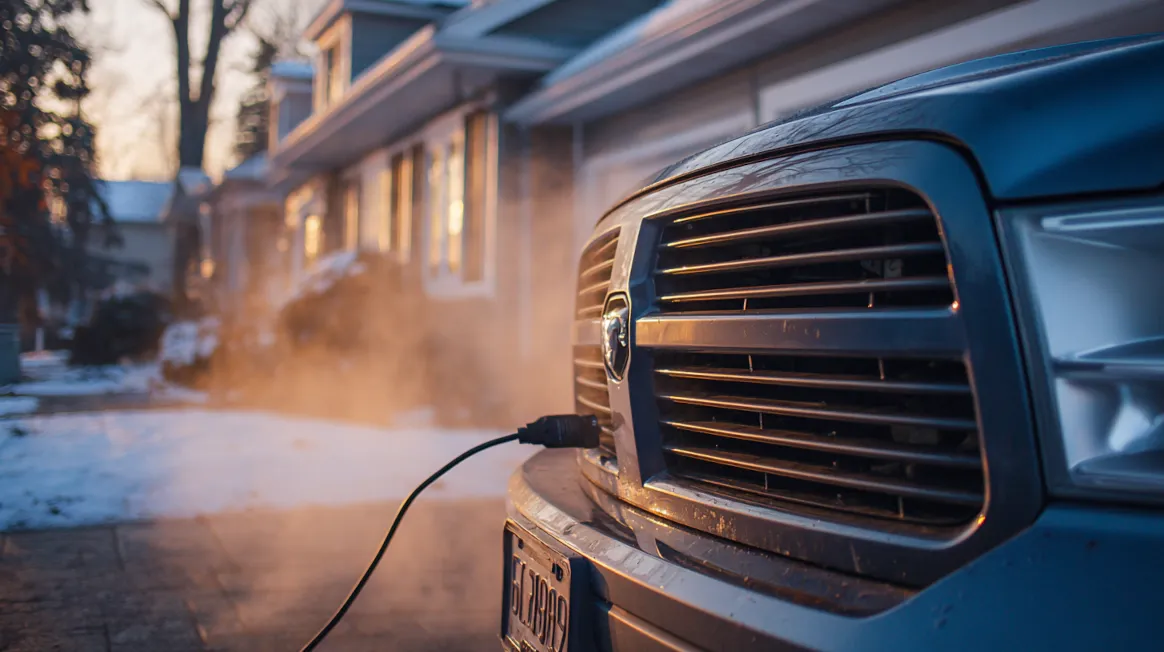
A plug or cord near the front grill or bumper area
Language in the owner manual about cold climate packages
Records from the dealership or previous owner
If there is still uncertainty, a dealership or parts lookup using the VIN can confirm whether one is installed.
How to Choose the Right Heater
Choosing the correct heater is simple when the vehicle’s exact engine information is known. Original equipment style heaters are the easiest to match because they are made for specific engines. When this option is not available, adhesive or in line heaters can still work well with the correct sizing and installation.
Whenever possible, selecting a heater that fits factory design ensures the best performance and simplest installation.
Installation Basics and Safety Considerations
Most block heaters are installed by technicians because engines are tightly packaged and coolant may need to be drained for access. Oil pan heaters are easier for do it yourself installation as long as the oil pan is clean and the heater pad or magnet can attach safely.
Key safety notes:
Follow installation instructions closely
Avoid routing cords where they can contact moving parts
Keep cables away from exhaust components
Recheck the cord position after winter driving in snow or ice
A properly installed heater should look neat and stay secure through daily use.
Environmental Impact and Community Benefits
Block heaters do more than protect engine parts. They help reduce air pollution in cold weather. When a cold engine starts, it burns extra fuel to keep running. That extra fuel increases exhaust emissions.
By raising engine temperature before startup, block heaters help engines burn fuel more cleanly from the first second. This reduces the release of pollutants that are common in winter mornings such as hydrocarbons and carbon monoxide.
In communities with many drivers using block heaters, air quality can improve noticeably during the coldest months. This benefit is especially valuable in regions where winter weather keeps vehicles idling longer as drivers wait for cabin heat and clear windows.
History and Regional Adoption
Block heaters became popular in parts of North America where severe winter weather is the norm. Drivers in Canada, Alaska, and northern states quickly adopted heaters to make daily driving more reliable. In some northern cities, public parking lots include outlets specifically for block heater cords during winter months.
The idea of prewarming engines has existed since early automotive history, but modern block heaters became widely used in the mid to late 20th century as vehicles were designed to meet colder climate needs. Today, they remain a standard winter accessory in places where temperatures drop far below freezing for long periods.
Even though not every driver needs one, the technology has become a trusted solution in regions where winter driving is a challenge.
Frequently Asked Questions
Can a block heater damage the engine
No. The heat is low and safe. It prevents stress rather than causing it.
Is it safe to use one when it is snowing or raining
Yes. As long as the cord is rated for outdoor use and connections are kept dry.
Do remote starts or heated garages replace the need for a heater
A heated garage can reduce the need. Remote start only warms the cabin after a cold crank which does not prevent engine wear.
Do electric vehicles use block heaters
No. EVs do not have traditional engines. Instead, they use battery warmers and heating systems built into the vehicle to maintain battery performance in cold weather.
What if I forget to unplug it before driving
Most cords will disconnect if accidentally left plugged in, but it is always best to unplug before moving the vehicle.
Do block heaters help with fuel in diesel engines
They do not directly prevent fuel gelling but can help the vehicle warm up faster which supports better fuel flow.
Conclusion
Winter temperatures test engines in ways most drivers do not see. Oil slows down, parts fit tighter, and batteries struggle. These effects increase wear and reduce efficiency during the first seconds after the engine starts. A block heater helps by eliminating the worst of those conditions before the key is turned.
By prewarming the engine, block heaters improve reliability, protect long term durability, and make daily winter driving easier. Diesel engines rely even more on block heaters because of the way they ignite fuel under high compression.
While modern technology has improved cold weather performance, block heaters continue to serve an important role in regions where winter conditions are severe and frequent.

About World Parts Direct
World Parts Direct is your go-to source for genuine OEM parts for GM and MOPAR vehicles. We make it easy to order factory-original parts online — shipped fast, accurately, and backed by real human support.
Every item we sell comes brand new in the manufacturer’s original packaging. Whether you’re handling routine maintenance, collision repair, or a full restoration, our parts professionals provide VIN-verified fitment support to ensure you get exactly what you need.
Serving drivers and repair shops worldwide, we proudly support brands like Chevrolet, GMC, Cadillac, Buick, Dodge, Chrysler, Jeep, and Ram. Shop confidently at WorldPartsDirect.com.