
Camaro Evolution: From 1967 Muscle Car Origins to an Electrified Future
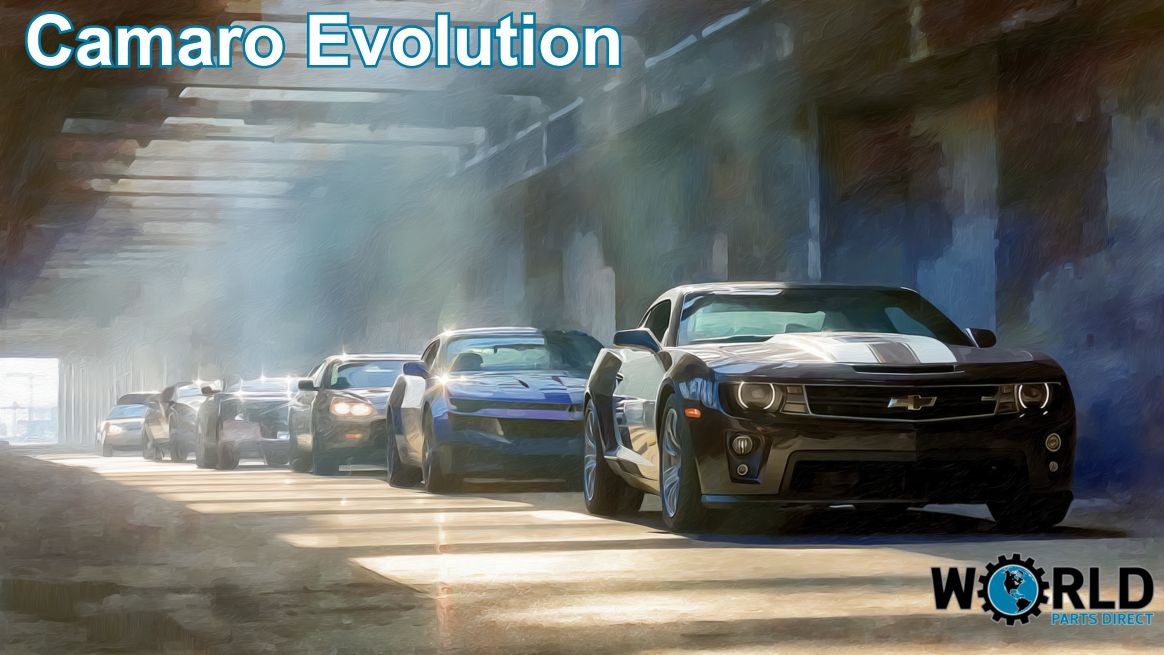
Camaro Evolution and Electric Future
Camaro evolution tells a bigger story than horsepower and stripes. It is a record of design moves, engineering leaps, and cultural shifts that turned a rushed Mustang rival into a symbol of American performance. From high-rev small blocks to aero-savvy bodies and electrified rumors, this nameplate keeps adapting.
The Camaro’s evolution blends heritage with innovation. It started as a Nova-based coupe to counter the Mustang, matured through aerodynamic and chassis updates, survived emissions malaise, returned with retro-modern appeal, and now faces an electric future. Expect performance, connectivity, and brand expansion shaped by market realities and enthusiast passion.
The Future of Muscle
TL;DR: The Camaro is evolving to blend classic muscle car power with modern technology and efficiency. Expect cutting-edge performance, advanced connectivity, and a design that honors its heritage while pushing boundaries. This new chapter promises an exciting future for muscle car enthusiasts and newcomers alike.
As automotive enthusiasts anticipate the next chapter in muscle car heritage, the evolution of the Chevrolet Camaro emerges as a pivotal subject in discussions of performance engineering and cultural identity. This article examines how shifting technologies, design philosophies, and market forces are shaping the future of the Camaro, raising questions about its role in redefining modern muscle.
Here’s the short answer most people want. The evolution of Camaro is a steady progression from a hurried 1967 launch to a refined, track-capable modern car, with hints of electrification and possible SUV variants under the Chevrolet umbrella. The next stage is widely expected to mix heritage cues with EV architecture, depending on market timing and GM strategy.
Chevrolet Camaro evolution: History, timeline, and key milestones
Chevrolet introduced the Camaro in late 1966 as a 1967 model, answering Ford’s wildly successful Mustang with a sporty, attainable coupe known inside GM as the F-car. That first move was quick and pragmatic, built largely from Chevy II Nova components, but it captured a clean, muscular proportion that aged astonishingly well. Early success led to a blueprint many fans recognize as the history of Camaro evolution.
- 1967 to 1969. Three formative years that established the Z/28 racing identity, SS and RS packages, and an iconic 1969 body style many still view as peak first-gen.
- 1970 to 1981. Second generation with a dedicated platform, a European grand touring influence, split-bumper RS fronts, and a long arc through regulatory changes.
- 1982 to 1992. Third generation with hatchback form, aggressive aero, and ground effects that mirrored the era’s high-tech mood. Z28 and later IROC-Z added performance credibility.
- 1993 to 2002. Fourth generation with sleeker surfaces, fast windshield rake, and modern performance strides. LT1 and LS1 represent a transition to contemporary V8 architecture.
- 2010 to 2015. Fifth generation revival, a hugely popular retro-modern design inspired by 1969, reconnecting the car to its emotional roots.
- 2016 to present. Sixth generation refinement, lighter and sharper, anchored by SS and ZL1 with road-course focus, tech-rich cabins, and track options.
The Camaro’s milestones mirror broader automotive trends. Regulation shaped power delivery in the 1970s. Aerodynamics and fuel injection transformed the 1980s to 1990s. Digital design and retro-modern styling reconnected the brand in the late 2000s.
Today, electrified architecture is the looming pivot. That is the Camaro progression in context.
First-generation origins: 1967–1969 breakthroughs
1967 Camaro: Launch and design cues
The 1967 Camaro arrived with a base price around 2,466 dollars and a long list of options, including six-cylinder and V8 engines, SS and RS packages, and a convertible that added about 240 dollars when new. Key cues include a tidy proportion, subtle creases, and available hidden headlights with the RS.
A Z/28 model, created for Trans-Am racing, introduced a high-compression small block with a racing-first mindset. This foundation set the tone for the evolution of Camaro.
What stands out is how the car balanced approachability with performance potential. The option strategy meant buyers could tune the car for style or speed. People often recall the throaty burble and the way the early Camaro felt stiff yet alive, a combination that signaled purpose without screaming about it. That restraint made the design look timeless.
1968 Camaro: Refinements and performance options
The 1968 model brought detail updates. Chevrolet added Astro Ventilation to eliminate vent windows, refreshed taillamps and grilles, and refined the RS and SS packages. Under the hood, performance choices were broad, including small-block and big-block V8s. The SS with dual exhaust and blacked-out grille accents underscored a cohesive performance image.
Design evolution here is more about tuning the experience. The 1968 car sharpened airflow and simplified lines, allowing the shape to read cleaner at a glance. It felt like Chevrolet found confidence in the car’s role and adjusted it accordingly, which helped cement its identity in the muscle era.
1969 Camaro: Iconic styling and Z/28 legacy
The 1969 Camaro is often seen as the first-gen zenith. The bodywork, with speed lines pressed into fenders and doors, looked wider and more athletic. The dual-plane grille gave the nose depth, and wide taillamps emphasized stance.
Special COPO cars added collectible mystique. The Z/28 program, already a performance beacon, cemented a racing persona that shaped Camaro’s evolution for decades.
The why behind the 1969 appeal is straightforward. It presents motion even while parked. It balances aggression with proportion. And it carries competition heritage that feels earned rather than borrowed. The car’s presence remains fresh because it avoids the excess that dates some muscle contemporaries.
Second-generation shaping: 1970–1981 body style and performance shifts
1970 Camaro: New platform and proportions
The 1970 model introduced a dedicated platform, freeing designers and engineers to push proportion and stance. Influenced by European grand touring shapes, early second-gen cars leaned muscular without bulk, with a strong side crease and tucking below the beltline to expose the tires. RS split bumpers gave the front an aggressive and contemporary look.
Even with regulatory challenges ahead, this generation’s early years show thoughtful ambition. The long dash-to-axle visual length, the hood forms, and the crisp sail panel work demonstrated a clean vision that still feels distinct. It showed Camaro development was moving past quick-response mode into confident expression.
1979 Camaro: Late-decade styling and sales peak
Late in the decade, the Camaro leaned into bold graphics and comfort updates. Sales remained strong even as outputs fell under emissions and fuel economy constraints. People sometimes call this era a mixed bag.
The cars looked striking and sold well, but power was down compared with the late 1960s. The community impact was still real, though, because the car stayed visible, affordable, and customizable with dealer and aftermarket options.
That persistence matters. The Camaro stayed in the conversation even when other muscle names faded or paused. It kept the badge alive through a tough period, which allowed later generations to reconnect with performance identity.
1980 Camaro: Emissions era and option changes
By 1980, emissions rules and catalytic converters had reshaped the experience. Options evolved, and outputs reflected the reality of the time. Enthusiasts often pivoted toward handling, graphics, and personalization.
This period shows how market and regulation can redirect a muscle car’s priorities. If power dips, other attributes need to rise. Handling, stance, and design details carried more weight.
Third and fourth generations: 1982–2002 technology and design progression
1982–1992: Aerodynamic redesign and fuel injection
The third generation broke cleanly from the past. The 1982 redesign introduced an angular hatchback, a large compound-curved rear glass, and racing-inspired ground effects.
These were production aero moves that matched the era’s high-tech mood. The Z28 was 1982 Motor Trend Car of the Year, and later IROC-Z models brought renewed performance focus. As an aesthetic, it moved from classic muscle toward sharp, aerodynamic speed.
Key insights from this phase. Form follows function shows up clearly. Aggressive fronts were designed to enhance downforce. Wheels and taillamps echoed linear geometry. Digital instruments crept into cabins. This is Camaro progression in step with the 1980s. It chose modernity, and the market responded.
1993–2002: LT1, LS1, and modern performance
The fourth generation pushed sculptural surfaces, a fast 68-degree windshield rake, and a bottom-breathing cooling arrangement to keep the nose low and the wedge profile strong. Performance moved into modern architecture with the LT1 and later LS1 V8s, bringing efficiency and output gains that revived muscle credibility while keeping drivability intact.
Design analysis suggests this generation still looks sleek today. A low front works visually and aerodynamically, paired with a high rear deck that reads like motion. The SS-specific hood scoop and integrated rear wing signal purpose without flashy clutter. It felt like a grown-up sports coupe rather than a retro throwback.
The rebirth: 2005 concept to fifth-generation production
2005 Camaro concept: Retro-modern inspiration
The 2005 concept captured lightning in a bottle. Drawing heavily from 1969 cues while adding modern sculpture, it proved that heritage can be distilled rather than copied. Proportion was the hero. Dash-to-axle length suggested performance. Fenders and creases evoked the past in a cleaner language.
When production arrived for the 2010 model year, demand validated the design direction with consistent segment leadership.
“Absence makes the heart grow fonder” fits here. The break between 2002 and 2010 built anticipation. The concept brought emotion back, and the production car delivered familiar identity with modern execution. That approach remains the gold standard for retro-modern success.
Bumblebee Camaro evolution in pop culture
Transformers catapulted the fifth-gen into global pop culture, turning the Bumblebee Camaro into an instant icon. The bright paint, aggressive stance, and on-screen presence shaped a new wave of fans, many outside traditional muscle circles. That visibility matters. Culture can pull people to the brand who never planned to own a V8, expanding community and future interest.
Sixth-generation refinement: SS, ZL1, and track-focused variants
Camaro SS evolution: Power, handling, and tech
The sixth generation sharpened the car again. Lighter structure, improved chassis tuning, and stronger engines pushed performance to track-capable levels while cabin tech modernized the experience. The Camaro SS evolution emphasized steering precision, brake capacity, and driver aids that help more people experience speed without intimidation.
Real-world impact shows up at local track days. Owners can run multiple sessions, adjust drive modes, and trust brakes lap after lap. The feeling is familiar. Firm seats, fast turn-in, and a V8 that sounds alive but behaves on the street. That dual personality is a modern muscle expectation.
Camaro Z28 evolution: Racing heritage revived
The Z/28 badge remains a lightning rod for enthusiasts. Whether rooted in Trans-Am glory or reinterpreted as a track-special, Z/28 signals intent. Over recent years, dedicated track variants leaned harder into chassis, aero, and brakes.
That approach aligns with the badge’s original purpose. Less frill, more laps. The idea is consistent even as exact specs change by era.
Camaro models list: Trims, packages, and special editions
Camaro’s trims and packages are part of its charm. They let buyers choose a personality that fits. Here is a helpful overview of key names across generations.
| Generation | Years | Highlights | Notable trims |
|---|---|---|---|
| First | 1967–1969 | Clean proportion, 1969 icon | RS, SS, Z/28, COPO |
| Second | 1970–1981 | Dedicated platform, split-bumper RS | Z28, RS, LT packages |
| Third | 1982–1992 | Aero hatchback, ground effects | Z28, IROC-Z, 1LE |
| Fourth | 1993–2002 | Fast windshield, sleek surfaces | Z28, SS, 1LE |
| Fifth | 2010–2015 | Retro-modern appeal | SS, ZL1, 1LE |
| Sixth | 2016–present | Lighter, sharper, tech-rich | SS, ZL1, 1LE, track specials |
- RS. Primarily a visual and lighting package, famous for hidden headlights on early cars.
- SS. Performance step with stronger engines and chassis tuning.
- Z/28. Racing identity, from Trans-Am roots to modern track focus.
- IROC-Z. Third-gen performance and image booster with distinctive wheels and aero.
- 1LE. Track-oriented handling and brake package that became a connoisseur favorite.
- ZL1. Highest-output modern flagship, tracing a name with fearless big-power history.
Development of Camaro: Design, engineering, and platform progression
Body style changes and aero development
Body style changes reflect both taste and functional needs. The first-gen emphasized clean curves and balance. The second-gen pushed grand touring proportion while keeping muscle posture. The third-gen leaned into aero, with ground effects inspired by motorsport and a large hatch glass that was a manufacturing achievement in its day. The fourth-gen moved to a fast, low nose and wedge profile. The fifth-gen revived heritage in a modern language. The sixth-gen made those themes lighter and more precise.
Within that arc, aero development matured from fashionable ground effects to wind-tunnel verified shapes. Integrated rear spoilers, low front ends, and sculpted wheel flares became purposeful rather than decorative. That transition matters because confidence in high-speed stability and cooling starts with honest airflow.
Engine evolution: Small-block to LT-series
Engine evolution tracks technology. Early small-blocks delivered character and racing resilience. Emissions rules forced a rethink, leading to fuel injection, improved ignition, and more efficient breathing.
The LT1 and LS1 represent modern V8 architecture built for stronger outputs with better reliability and everyday manners. Contemporary LT-series engines extended that dual character, pairing stout performance with manageable refinement.
There is a lesson here. When regulations change, innovation follows. Modern engines make more usable power, deliver it more cleanly, and integrate seamlessly with driver aids. That is how Camaro development keeps the car relevant without losing muscle identity.
Chassis, suspension, and weight reduction
Chassis work is the silent hero of Camaro’s evolution. Second-gen cars improved stance and handling even as power dipped. Third-gen cars took aero and chassis integration seriously. Fourth-gen cars pushed low noses and balanced weight distribution. Modern cars use lighter structures, stiffer subframes, and advanced dampers that let enthusiasts access performance more easily.
Weight reduction is more than a number. A lighter car feels awake, brakes with confidence, and changes direction like it had a strong coffee. That sensation invites more people to enjoy performance without track-only commitment.
Visual timeline: Camaro car evolution in 40 images
Creating a Camaro evolution in 40 pictures makes history accessible. The idea is simple. A curated set that captures the essence of each era, from launch to modern refinement, gives people a visual map. Without photos here, a quick plan helps you build a gallery at home or for a club meet.
- Pick four to six images per generation. Capture launch shots, special trims, racing moments, and key styling updates.
- Add two context images per era. Include ads, brochures, or track-day snaps to show how people experienced the car.
- Sequence from 1967 to present. Use simple captions. Model year, trim, and one sentence about why it matters.
- Print in consistent sizes. Arrange chronologically. Leave space for notes so club members can add stories.
- Pair the gallery with a playlist. Sounds simple, but period music and a short audio track of a small block idle sets the mood.
Camaro evolution poster and wall art ideas
A Camaro evolution poster works well when it balances art and information. Consider a vertical design with six stacked panels, one per generation, each with a silhouette, a side crease detail, and a trim badge. Add a thin timeline bar on the side with years for quick reference. That blend of visuals and data keeps it handsome and helpful.
Another approach. Create a 1969-only poster, focused on design cues. Show the dual-plane grille, rear fender flare, wide taillights, and cowl bulge, with short labels. People love a focused study of their favorite year.
Camaro evolution puzzle and collectible guides
Puzzles are a low-stress way to share history with family or clubs. Use a collage of 40 images as the master art, then print in 500 or 1000 pieces. Add a simple guide with short notes on each image, and include a checklist so kids can mark off which years they’ve learned.
That makes the evolution of Camaro feel like a shared project.
For collectibles, create a card set that mirrors trims. RS, SS, Z/28, IROC-Z, 1LE, and ZL1 each get a card with year ranges, typical colors, and a short design note. This format helps newcomers learn the language without getting lost.
The future of Camaro: 2025–2028 outlook and electrified possibilities
Final V8 editions and limited runs
As of 2025, speculation points to limited, commemorative V8 editions as production winds down and the brand considers new directions. Expect special paint, appearance packages, and track-focused equipment that celebrate heritage while acknowledging an inflection point. Official confirmation varies by market timing.
Electric and hybrid pathways under Chevrolet
Rumors and reporting indicate a likely EV pathway under the Chevrolet umbrella. Some sources forecast a fastback SUV wearing the Camaro name, shaped to counter offerings like Mustang Mach-E and built on GM’s skateboard architecture formerly tied to Ultium.
Battery pack sizes around 85 and 102 kilowatt hours are discussed, with single-motor rear-drive variants and dual-motor all-wheel-drive SS possibilities. High-output triple-motor setups near 1,000 horsepower have also been floated for a future ZL1. These are informed projections rather than official specifications.
Here’s why this makes sense. Two-door coupes face shrinking market space. SUVs offer reach and usability while EV architecture can deliver instant torque and chassis flexibility. If Camaro becomes a subbrand with multiple body styles, the core promise can survive. Accessible performance, strong design, and a fun-first attitude form the throughline.
Platform strategy and brand positioning
Several reports suggest the Camaro name may expand into a subbrand, including sedan, SUV, and sports car variants at different price points. That strategy matches consumer behavior and allows Chevrolet to anchor performance identity around recognizable badges without a single body style. A Camaro EV SS, positioned below a Corvette SUV, is one possibility discussed publicly. Official direction remains unconfirmed as of publication.
The platform strategy likely leans modular for power, range, and performance tuning. That approach helps the brand serve commuters and enthusiasts with the same badge. Enthusiasts may grumble, but if the driving experience honors the name, the community will adapt. People care most about how a Camaro feels on a back road and at the local cars-and-coffee.
FAQ: Camaro evolution and future
How many generations of Camaro are there?
There are six generations of Camaro. First gen ran 1967 to 1969. Second gen ran 1970 to 1981. Third gen ran 1982 to 1992. Fourth gen ran 1993 to 2002. Fifth gen ran 2010 to 2015. Sixth gen began in 2016.
Is Chevy making a 2026 Camaro?
As of 2025, Chevrolet has not issued a formal announcement for a 2026 Camaro coupe. Several reports discuss a potential EV SUV wearing the Camaro badge around 2025 to 2027, but the company does not comment on speculation.
Is there a 7th gen Camaro coming out?
A seventh generation has not been officially confirmed. Reporting points to an electrified future, possibly as a fastback SUV or expanded subbrand using EV architecture. Timelines and configurations remain speculative.
What year did Camaro’s body style change?
Major body style changes occurred for 1970, 1982, 1993, 2010, and 2016 model years. A notable restyle within first gen occurred for 1969, often cited as the most iconic early design.
Where Camaro’s evolution leads the muscle car next
Key takeaways for enthusiasts
- Proportion and stance made the early cars timeless. Clean lines and restrained muscle age well.
- Regulation and market forces do not end performance. They redirect engineering toward chassis, aerodynamics, and smarter power delivery.
- Retro-modern works when heritage is distilled, not copied. Fifth-gen success shows how to respect the past without being stuck in it.
- EV rumors signal flexibility rather than surrender. If a Camaro EV SS delivers honest fun and strong design, the badge can thrive.
- Community matters. Cars-and-coffee mornings, track nights, and shared builds keep the name alive through any platform changes.
Conclusion
Camaro evolution is a study in adaptation. The badge moved from quick-response coupe to aerodynamic sports car to retro-modern revival, and now toward electrified possibility. Heritage is the anchor. Innovation is the path.
If the next chapter keeps the driving experience honest and the design purposeful, the Camaro will continue to mean something in every era. For enthusiasts, the best next step is simple. Stay curious, watch the official announcements closely, and keep driving the cars that brought this name to life.
For anyone mapping the Camaro’s evolution in personal collections, posters, or club displays, keep building that 40-image timeline. It turns history into a living piece of community memory and proves the point most people already know. Reinvention is baked into this badge, and it is the reason the Camaro keeps moving forward.
Final thought. The Camaro’s story shows how performance culture adapts without losing its soul. Whether the future looks like an SS coupe, a ZL1 EV, or a fastback SUV with the right stance, the core promise can remain intact. It is the feel of the wheel, the surge of power, and the shared grin that define the name. That is where Camaro evolution leads the muscle car next.
Camaro evolution continues to blend classic muscle with modern technology. The next few years will reveal how EV architecture and brand strategy align with that promise. Watch closely, ask questions, and keep an ear out for the next soundtrack of American performance.

About World Parts Direct
World Parts Direct is your go-to source for genuine OEM parts for GM and MOPAR vehicles. We make it easy to order factory-original parts online — shipped fast, accurately, and backed by real human support.
Every item we sell comes brand new in the manufacturer’s original packaging. Whether you’re handling routine maintenance, collision repair, or a full restoration, our parts professionals provide VIN-verified fitment support to ensure you get exactly what you need.
Serving drivers and repair shops worldwide, we proudly support brands like Chevrolet, GMC, Cadillac, Buick, Dodge, Chrysler, Jeep, and Ram. Shop confidently at WorldPartsDirect.com.