
Charger Daytona Evolution — The Complete History From Aero Muscle to Electric Power
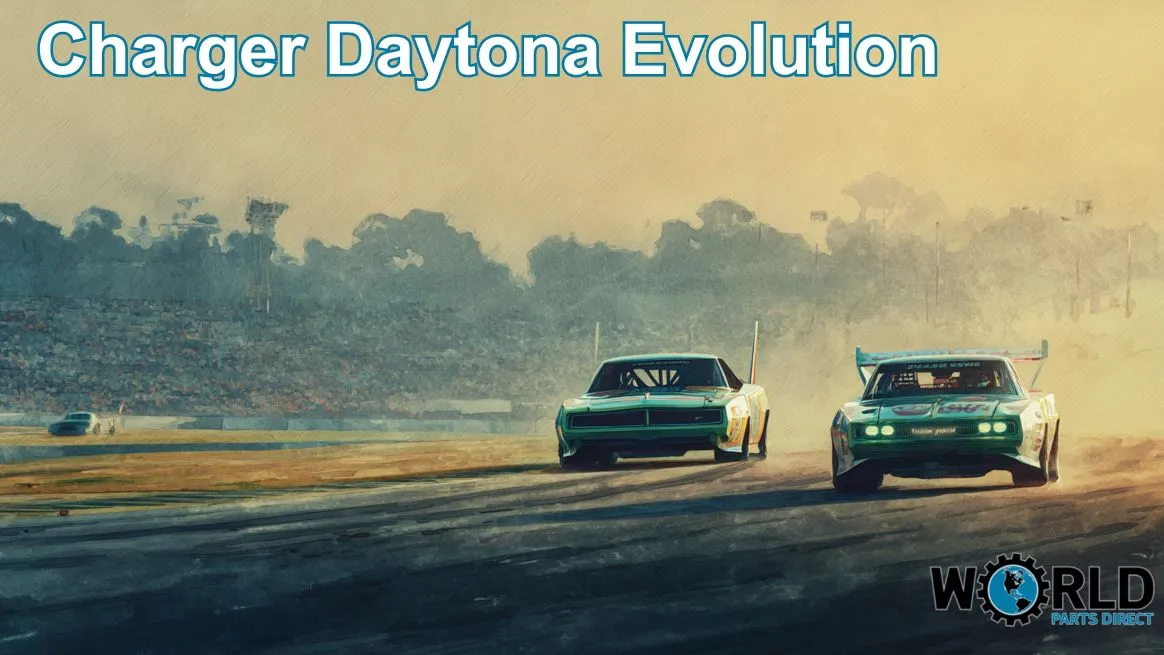
Charger Daytona Evolution
TL:DR
The Charger Daytona’s story spans from a 1969 NASCAR aero icon to a 2025 electric muscle car built for a new era.
Each generation reinterprets the same goal, bold speed and presence, with different tools. The modern Daytona trades V8 noise for dual-motor precision, instant torque, and a functional “R Wing” design that honors airflow and heritage.
With R/T and Scat Pack trims, synthetic Fratzonic sound, and future Sixpack gasoline options, it represents Dodge’s bridge between classic muscle emotion and electric performance reality.
The Charger Daytona evolution captures how Dodge took a name born in NASCAR and rebuilt it for the electric era. Here is the short answer many shoppers want. It is a lineage that starts with 1969 aero breakthroughs, reappears as style-forward packages, then jumps to dual-motor electric performance with R/T and Scat Pack trims, new sound tech, and planned four-door and Sixpack updates.
The Daytona Nameplate History And Heritage
1969 racing origins and aero breakthroughs
The original 1969 Charger Daytona existed for a simple purpose. Win at high speed. The long nose cone, tall rear wing, and wind-cheating details helped stock cars finally break through the 200 mile per hour barrier in NASCAR competition. People still talk about the way those cars felt planted at speed and how the wing changed what drivers saw in the mirror, a tall fin that became the era’s visual sign for stability and intent.
That early car framed the template Dodge returned to again and again. Aerodynamics used as a tool rather than ornament. Heritage used to sharpen a present-day story, not trap it. The same philosophy underscores the modern approach, where airflow and packaging drive how the electric Daytona looks and works.
“Fast enough to matter” sits as the Daytona’s core idea. The history shows it. The modern car tries to prove it. Chargers from that late sixties moment mixed brute power with clever airflow. The electric Daytona borrows the clever part and swaps gasoline for electrons.
1975 to 1977 appearance package years
Mid seventies Dodge kept the Daytona name alive as an appearance package. Think stripes, decals, and a look that said performance even when emissions rules and fuel realities muted actual speed. It helped preserve brand memory. There was value in seeing Daytona on a fender. It reminded buyers what the name stood for even as engines softened and priorities shifted.
Those packages mattered more than they first appear. Communities form around names. Dealership lots get a lift from familiar badges. The look-heavy Daytona trims bridged decades so the heritage did not fade. That continuity makes the modern revival land with more credibility.
2006 to 2023 modern revivals and limited editions
Starting in 2006, Daytona returned on four-door Chargers with HEMI V8 power, firmer suspensions, and vivid throwback colors. Later revivals layered in higher output engines, unique wheels, and limited-run editions that played to collectors. In 2020 a Hellcat-based Daytona special brought a 717 horsepower tune and capped production at 501 units, signaling that Dodge knew how to do rarity without losing daily-driver usability.
Across these modern years the pattern held. Use the Daytona name for distinct styling, aero claims that go beyond cosmetics, and honest performance changes. That pattern sets expectations for the electric car. You see the R Wing, the lighting signature, and the stance. It looks deliberate. It is meant to be.
Charger Daytona Evolution Timeline And Milestones
Concept development and design studies
The concept phase for the modern Charger Daytona focused on two aims. Honor the silhouette and get air right for an EV. The R Wing front design acts as a functional channel that lets air pass under the hood line toward the roof. That helps cooling and lift balance while preserving muscle car proportions. Design studies also tested lighting signatures that would read as Charger without aping past models. The goal was to avoid retro cosplay and build a future-facing shape that still feels familiar at 30 feet.
Internal debates touched sound and feel. Dodge explored how an EV could deliver the sensory drama most people expect from a Charger. That led to the Fratzonic system and a cabin layout centered on a driver’s view dominated by large digital clusters and a low cowl. The approach shows how the Charger Daytona evolution moved beyond power numbers to engagement.
Production launch first deliveries and feedback
The first deliveries arrived in late 2024 and early 2025. Early retail response was mixed in North America. Sales through the first quarter of 2025 were modest compared with past HEMI models. Reports cited 2,115 combined U.S. and Canada deliveries, with 1,947 in the U.S., and dealers applying aggressive discounts on some R/T inventory to move cars, which shaped sentiment in the community and press.
Feedback from performance outlets noted strong acceleration for Scat Pack with an estimated 3.3 second sprint to 60 miles per hour and standard all-wheel drive traction. Reviewers also called out the way the Fratzonic sound lands in the cabin and outside, with divided reactions among enthusiasts who want classic V8 timbre without artifice.
Four door and Sixpack plans on the horizon
Dodge confirmed the plan to expand body styles, adding a four-door muscle sedan configuration to widen appeal. The company also set development paths for a combustion Sixpack, a twin-turbo inline-six aimed at buyers who still want gasoline and a different kind of engagement. This two-track idea fits the brand’s read of the market. Electric for instant torque and daily performance. Gas for long-haul refueling speed and familiar character.
Timing notes matter here. As of 2025, additional variants and model-year changes were flagged by starters and press updates rather than full spec sheets. That creates a moving picture. It makes sense to time-box expectations and watch official channels for build-level details as they firm up.
Why Dodge Shifted The Charger Daytona To Electric Power
Regulatory and market drivers in the US
U.S. and state-level emission rules are pushing performance automakers toward lower tailpipe output. Electric power avoids tailpipe emissions altogether. Market demand for quick, tech-rich cars is rising. Dodge read the room and chose to align the Charger Daytona with regulatory pressure and buyers who want speed without frequent visits to fuel stations. That decision builds a runway for credits and incentives where applicable while keeping performance central.
Executives framed the change as an unavoidable turn. Public quotes described the industry as heading toward a wall and needing to pivot before contact. This shows how compliance and market realities shape even the most defiant brands. People buy performance but expect it to fit into modern life with fewer local emissions and a user interface that feels current.
Performance and technology advantages
Electric motors deliver instant torque. That trait cuts the lag most drivers feel and makes stoplight acceleration crisp. Batteries placed low in the chassis lower the center of gravity. The result is a big car that turns in with confidence and stays flat. Dual-motor all-wheel drive puts power down on uneven surfaces, a noticeable change from rear-drive theatrics that spend energy on smoke rather than speed.
Tech advantages extend to software. Drive modes, launch control, drift logic, and tailored pedal maps give owners simple ways to change behavior. The cabin centers around large screens with Uconnect 5 software. Updates can add features. The mechanicals work with code to give variety, something a single cam-and-crank setup cannot match without invasive hardware changes.
Brand strategy risks and tradeoffs
Some muscle car fans read quiet and smooth as the opposite of engagement. There is a trade. The Charger Daytona gains traction and precision yet risks losing the theater of a lumpy idle and gear changes you can feel. Pricing risk also showed up. Early stickers for Scat Pack climbed into premium territory. That places the car against faster long-range EVs that crowd headlines, while old Hellcats whisper temptations from the used market.
There is a benefit in honesty. Dodge kept the grille shape honest to airflow, not just style. It admitted the sound would be synthetic. It said the plan includes gasoline again. This clarity helps shoppers calibrate expectations. Purists may bristle, but the brand gave them the map and circled the exits.
Key Differences From Previous Charger And Daytona Models
Powertrain and drivetrain changes
Previous Chargers relied on HEMI V8 engines with rear drive and optional widebody packages to manage grip. Daytona electrifies the formula with dual motors and standard all-wheel drive. Output spans an estimated 496 horsepower for R/T and up to an estimated 670 horsepower for Scat Pack with a short PowerShot style boost window noted in media previews. The result is smoother launches, repeatable acceleration, and less heat fade on back-to-back runs.
The battery pack sits low and central. Reported capacity lands near an editor-verified 100.5 kilowatt hours, with final EPA-style range estimates varying by trim and wheel selection across sources. This placement changes how the chassis carries load compared with an iron block up front.
Sound feel and engagement differences
V8 Chargers talk through intake roar, exhaust pulses, and gear noise. Electric Daytonas speak in motor whine under load and synthesized tones through the Fratzonic chambered setup. Fans disagree on authenticity. Some appreciate the tactile pressure waves and outside volume that give neighbors a clear sense of arrival. Others miss the cam thrum. Engagement shifts from gears to modes, from rev matching to pedal mapping.
Steering feel benefits from weight distribution and chassis stiffness. With the mass centralized, small inputs show up on the car’s path quickly. The drama changes character. Less tail-out in daily driving. More precision in fast lane changes. That suits commuters and still leaves room for sanctioned drift settings where owners want some show.
Chassis aerodynamics and packaging updates
The R Wing front detail channels air cleanly and lowers lift without breaking the Charger profile. Drag strip style lighting gives a clear signature at night. Packaging moves some components under the hood line to free cabin space. The update raises usable storage and keeps the muscle look intact. The body lines read modern without losing the square-shoulder stance people associate with Chargers.
Underneath, adaptive damping in upper trims tightens body control. Standard all-wheel drive changes how the car leaves a stop on cold pavement. It moves away with less drama and more speed. Aerodynamic correctness appears in modest energy use at highway pace relative to shape. The car behaves like a big coupe and a practical daily in one package.
Current Trims And Features Overview
R/T features performance and positioning
R/T aims at balance. Estimated output around 496 horsepower. Standard all-wheel drive for secure launches. A driver-centric cockpit with large digital displays. Seating materials tuned for everyday use. Pricing positioned to bring Charger buyers into the EV world without pushing them toward premium-luxury territory. Typical options include appearance groups and audio upgrades.
As of 2025, R/T availability experienced production pauses and postponements in some communications. That makes inventory spotty in certain regions. Transaction prices often tracked below window stickers where dealers pushed discounts to improve turn, a sign that affordability and momentum needed attention early on.
Scat Pack features performance and positioning
Scat Pack turns the wick up. Estimated 670 horsepower with brisk 0 to 60 numbers around 3.3 seconds reported by early tests. Wider wheels, performance tires, adaptive damping, and broader drive mode sets point it at owners who want straight-line pace and track-day curiosity in one garage. Cabin upgrades bring larger gauge clusters and more textured materials.
Pricing places Scat Pack in contention with headline EVs. Value comes from character. It looks and sounds like a modern muscle car. It feels quick every time thanks to instant torque and all-weather traction. For many shoppers, that consistency matters more than one dramatic spec on paper.
Options and packages overview
Appearance packages add blacked-out trim, unique wheels, and heritage-style graphics. Plus Group style bundles combine upgraded audio, larger infotainment, and premium upholstery. Carbon and Suede packs bring richer textures and darker accents that fit the car’s square-shoulder attitude. Track-focused sets add drive modes, launch control settings, and suspension logic that readers will notice most on smooth roads and organized events.
Exterior colors range from classic black and white to modern blues and grays that telegraph speed without shouting. Names vary by model year, with Bludicrous Blue called out by several outlets as a fan favorite because it pops in sun and reads cool under evening street lamps.
Trim Levels And Features Comparison Table
How to read the specs and pricing table
Specs below use a mix of confirmed media test figures and editor-verified estimates. Where sources disagree, ranges appear. Prices are as of the 2025 model year and may vary with regional incentives, dealer discounts, and equipment. Use the notes column to see assumptions. The table fits mobile screens and shows what most shoppers ask first.
| Trim | Power hp | 0–60 mph | Estimated range miles | Starting price USD | Key features |
|---|---|---|---|---|---|
| R/T | 496 | 4.7 s | 260–317 | $59,595–$61,590 | AWD. R Wing. Fratzonic sound. Large digital cluster. Appearance packs. |
| Scat Pack | 670 | 3.3 s | 241–279 | $70,190–$73,190 | AWD. Adaptive damping. Track modes. Larger cluster. Performance tires. |
Feature highlights that separate the trims
- Acceleration. Scat Pack leaves less daylight between green and the next intersection. R/T stays quick enough for daily fun.
- Suspension. Adaptive damping shows up more in Scat Pack. It helps manage body control over patchy surfaces.
- Cabin tech. Larger cluster sizes and added mode pages favor Scat Pack, though both trims feel modern.
- Wheel and tire fitment. Wider footprints on Scat Pack widen grip and change the stance.
Which trim fits performance and budget needs
R/T fits shoppers who want a Charger shape, honest speed, and lower acquisition costs, especially where dealer discounts sweeten the deal. Scat Pack fits drivers who value acceleration and sharper responses even if the sticker lands higher. Both trims carry the same Charger attitude. Pick based on use rather than ego.
Design Aerodynamics And Exclusive Features
Exterior design R Wing and lighting details
The R Wing sits above a functional opening that sends air where the car needs it. It preserves the upright grille look without blocking airflow. Lighting takes cues from drag-strip bars and ring-shaped tails that read as Charger from a glance. Up close, you see smooth surfacing around the wing supports and tight panel gaps that help aero stay clean.
At night the lighting sequence feels theatrical without wasting time. Owners see a quick glow, a wash across the rear, then a steady signature. People often say the car looks fast standing still. The R Wing helps that read without adding fake vents or busy plastics.
Paint colors wheels and appearance groups
Paint names past and present keep muscle flavor. Destroyer Gray, Diamond Black, White Knuckle, and bright blues have all appeared in recent coverage. Appearance groups bring darker badges, gloss-black mirrors, and wheel choices that change how the car sits. Larger wheels add visual weight, while toned-down finishes suit buyers who want presence without flash.
Wheels on Scat Pack skew wider. That makes stance more serious and helps grip. R/T wheels lean toward usability and ride comfort. The good news. Both trims avoid the overly busy trend and keep designs that look simple and tough, which fits the car’s personality.
Interior themes seating and material choices
Cabins follow a driver-first mindset. Low dash. Big screens. Clear visibility. Seating materials range from synthetic blends to leather and suede mixes with contrasting stitching that gives a subtle color hit without shouting. The door cards and console surfaces feel textured and durable. Owners notice the way the steering wheel thickness and rim shape invite confident inputs.
A micro-moment most shoppers know. A quick coffee run just before sunrise. The cabin glows softly from the cluster, the seats feel supportive but not rigid, and the road noise reads as a low hum rather than a drone. That small sensory mix sells the idea that everyday commutes can feel special.
Performance Battery Range And Charging
Acceleration handling and drive modes
Scat Pack acceleration reads like a shove that does not fade. R/T feels eager and punchy. Handling benefits from the battery’s low placement. Drive modes layer in personality. Track, Drag, Launch Control, and specialized drift choices give your hands and feet something to do beyond simple commuting. These modes help teach drivers what the car likes and how it responds.
Traction stays predictable because all-wheel drive manages torque across axles. Braking feel remains consistent thanks to regen blending. Owners who try back-to-back launches notice repeatability without long cool-downs, a perk of EV hardware that reduces the heat spikes older transmissions and converters suffered.
Battery capacity charging speeds and connectors
Battery capacity sits near an editor-verified 100.5 kilowatt hour figure in media reporting. Charging speed depends on connector and software. DC fast charging varies with pack temperature and charger availability. Not all public stations deliver rated peak in everyday use, so planning helps. Home Level 2 charging covers most routines. It turns every night into a refuel without leaving the driveway.
Connector standards and regional infrastructure keep evolving. Owners win when cars accept common plugs and the car’s software guides routing to reliable stations. As networks expand, long trips get simpler. For daily life, home charging offsets fuel costs and replaces weekly visits to pumps with short walks to the garage.
Fratzonic exhaust and sensory experience
The Fratzonic chambered system pushes sound through tuned passages and surfaces to create pressure waves you can feel. It aims to give the outside world the “this is a Charger” announcement without pretending there is a V8 under the hood. Reactions vary. Some call it fun theater. Others prefer quiet performance with only tire and wind for company.
Authenticity arguments will continue. What matters practically. Owners can tailor volume and tone. Neighborhood etiquette gets easier. Track days still feel like events. The car gives choice rather than one sound locked in forever. That flexibility fits the daily reality of modern performance living.
Pricing Options Packages And Cost To Own
MSRP transaction prices and typical discounts
As of 2025, reported MSRP ranges place R/T near sixty thousand dollars and Scat Pack above seventy thousand dollars depending on equipment. Transaction prices often moved lower, with dealer discounts used to clear early inventory and encourage adoption. Some listings showed unusually deep cuts on specific R/T builds, a signal that pricing strategy was still finding its mark.
Shoppers should compare window stickers to local listings and factor equipment. Performance tires, larger wheels, and premium audio can swing the bottom line. When dealers want turn, a prepared buyer can land an R/T at a compelling number compared with similarly quick gasoline alternatives.
Options pricing and package value
Package value comes from bundles that align with how the car will be used. Daily drivers may prefer Plus Group style configurations that add comfort, sound, and screen upgrades. Track-curious owners benefit from adaptive damping, performance tires, and more detailed drive pages. Appearance packs work best when they match paint and wheel choices rather than fight them.
Resale value improves when equipment tells a clear story. Buyers look for cars that read like intentional builds. A Scat Pack with performance hardware and tasteful colors holds interest longer than a mixed bag of options. The Charger name helps, but coherent spec sheets help more.
Incentives tax credits and ownership costs
Ownership costs shift with electricity pricing, local incentive structures, and maintenance profiles. EVs avoid oil changes and many traditional service items. Tires and brakes still matter. Tax credits and state-level rebates change the math. Some buyers qualify. Others do not. It pays to check updated eligibility by ZIP before calculating the final cost to own.
Charging at home generally wins on cost if the utility rate supports it. Public fast charging can be pricier than expected. Having both options makes long weekends easy and weekday routines simple. The balance keeps the car flexible and keeps costs predictable.
Reception Market Impact Controversies And Updates
Sales performance and dealer activity in 2025
Early 2025 sales were modest by Dodge performance standards. The number near two thousand U.S. deliveries by quarter and Canada added under two hundred. Dealers responded with aggressive pricing on some builds. Those moves shook confidence in list pricing and sparked debate about value and targets for the rest of the year.
As inventory and awareness grew, Scat Pack drew more interest among performance shoppers because pace was easy to feel in a test drive. R/T found traction when pricing softened. It shows how the market reads Charger. Speed sells the story. Price finishes the sentence.
Enthusiast reactions and community debate
Community reactions split along familiar lines. Purists want gasoline, manual control, and the music that comes with it. EV fans want repeatable speed, quiet commutes, and modern interfaces. Many buyers sit in the middle and want the Charger shape and attitude with less fuel burn and more tech. The Fratzonic sound became a lightning rod for authenticity debates.
Meet-ups and forum threads show an emerging theme. Engagement matters most. People want cars that feel alive. The Daytona makes its case with acceleration and chassis balance. The old Hellcat makes it with theater and smell. Both offer smiles. The paths differ.
Model changes delays and R/T status
Reports through 2024 and 2025 noted dealer rollout delays attributed to electrical issues and then model-year strategy shifts. Communications around postponing or reshaping R/T timing appeared, with more attention shifting to Scat Pack availability and to future Sixpack combustion development as a hedge. These updates reflect a brand calibrating to sales and sentiment in real time.
Shoppers should treat build slots and equipment lists as living documents until production stabilizes. Official channels and dealer bulletins carry the most current answers on what is shipping and when. The long-term lesson. Flexibility helps a nameplate survive transitions.
Comparisons With Hellcat Tesla Model S Plaid And Others
Charger Daytona vs Hellcat performance and character
Hellcat favors drama. Supercharged V8 sound, rear-drive antics, and the kind of acceleration that feels like a fireworks finale. Daytona favors clean launches, instant torque, and traction that turns power into forward motion. On a cool morning, the Daytona leaves quietly and quickly. The Hellcat leaves loudly and later while warming tires. Both feel fast. The character differs.
Measured pace depends on surface and tire. EV repeatability helps in casual runs. Gas engines bring top-speed bragging rights and longer range with five-minute refuels. For daily performance, Daytona’s consistency wins many commutes. For weekend theater, Hellcat’s soundtrack wins many hearts.
Charger Daytona vs Tesla Model S Plaid and Lucid Air
Tesla’s Plaid posts outrageous acceleration numbers and long range with a higher price. Lucid Air adds refined ride and efficient cruising. Daytona answers with muscle design, a unique sound concept, and performance that feels accessible and fun every day. For shoppers who want a Charger identity in an EV, the Daytona reads as the right vibe even if the spec sheet does not top every column.
Market context matters. Range and price set expectations. Character and community decide purchases. Daytona brings club parking-lot appeal and the muscle stance many owners want. Plaid brings silent speed that resets benchmarks. Lucid brings elegance and efficiency. Different answers for different needs.
How rarity and collectibility stack up
Classic Daytona production figures were tiny by modern standards and auction values reflect that. Modern limited editions, especially those with declared build counts, tend to accrue attention. The electric Daytona’s collectibility will depend on first-year specs, color availability, and how quickly trims change. Limited colors and well-specced Scat Packs will likely become the ones people chase in a decade.
Collectors look for stories. First-year cars with documented options. Dealer-only packages. Clean histories. EVs add battery health to that list. The Daytona name helps. Provenance and care decide value curves.
FAQs
What year did Dodge make the Daytona Charger?
The nameplate originated in 1969 for NASCAR homologation with aero upgrades. It resurfaced mid seventies as an appearance package, returned on modern four-door Chargers starting in 2006 with HEMI power, and reappeared as an electric performance model around the 2024 to 2025 launch window for the current generation.
Is a Charger Daytona faster than a Hellcat?
In short sprints on normal roads, the Daytona often feels quicker thanks to instant torque and all-wheel drive traction. In top-speed and long-range contexts, Hellcat holds advantages tied to gasoline refueling and supercharged power. Most owners will notice the Daytona’s repeatable launches and the Hellcat’s visceral sound and drama.
How rare is a Daytona Charger?
Classic 1969 Daytona builds were limited and now command high values. Modern limited-run Daytona editions have been produced in small numbers. The electric Daytona’s rarity will depend on trim mix, color availability, and how production scales in the first years. Early Scat Pack spec combinations may become the sought-after builds later.
Summary takeaway. The Charger Daytona evolution replaces noise with nuance, tail-out with traction, and carburetors with code. The core stays the same. A bold shape that goes quickly and feels special. Next steps for shoppers. Test both trims, check local pricing and incentives, and watch four-door and Sixpack updates for a broader fit. The phrase Charger Daytona evolution will keep showing up as these variants arrive and the market settles.

About World Parts Direct
World Parts Direct is your go-to source for genuine OEM parts for GM and MOPAR vehicles. We make it easy to order factory-original parts online — shipped fast, accurately, and backed by real human support.
Every item we sell comes brand new in the manufacturer’s original packaging. Whether you’re handling routine maintenance, collision repair, or a full restoration, our parts professionals provide VIN-verified fitment support to ensure you get exactly what you need.
Serving drivers and repair shops worldwide, we proudly support brands like Chevrolet, GMC, Cadillac, Buick, Dodge, Chrysler, Jeep, and Ram. Shop confidently at WorldPartsDirect.com.