
Influence of Social Media on Car Culture – A Complete 5-Year Evolution

Influence of Social Media on Car Culture - A Complete 5-Year Story
Five years changed the tone of American car culture. The influence of social media on car culture turned Saturday parking lot meetups into worldwide conversations that unfold in minutes. Fans no longer wait for monthly magazines.
They scroll. They hear cold starts through headphones. They argue in comments and learn in threads. That shift is the story here.
Social media changed car culture by moving it from local clubs to global feeds, speeding trend cycles, elevating short video, and centering creator voices. Algorithms now decide who sees stance builds, dyno pulls (A dyno pull is when a car is strapped onto a dynamometer) and POV drives. Brands and enthusiasts respond in real time, for better and worse.
Influence of Social Media on Car Culture in the US
What changed from local clubs to global feeds
Over the past decade, car culture left local flyers and forum calendars behind and stepped into an always-on feed where discovery happens by the swipe. The influence of social media on car culture sits at the center of that change.
Instagram grids turned builds into serialized stories. TikTok stitched thousands of clips that show quick tips and quick flexes. YouTube created long arcs for projects and multi-part reviews that feel like seasons.
The result is a more connected, faster moving scene where people in Phoenix watch a wrap shop in Miami, and where a Jeep trail run in Utah reaches Tokyo by afternoon.
One small scene says a lot. A mom-and-pop tuner shop used to serve twenty regulars who traded advice over coffee and carb cleaner. Now that shop films a bolt-on install in the morning, posts the edit by lunch, and fields fifty comments before close.
That loop changed what gets built, how it is shown, and who reacts to it. It also changed the stakes. “Pics or it didn’t happen” used to be a joke in forums. It became a daily requirement on feeds.
How platforms connect enthusiasts and audiences
Platforms act as both megaphone and meeting place. Instagram DM groups replace club email lists. TikTok sounds and challenges spread audio motifs like cammed idle or turbo flutter. YouTube comments and live chats build familiar voices that stick around.
The connective tissue here is the social graph. People follow creators, creators follow builders, and brands follow both. Knowledge spreads quickly and audiences form around specific interests, from Mopar drag setups to Chevrolet widebody fitment.
That accessibility brings new hands into the community, a shift community observers have noted across forums, Facebook groups, and creator channels.
Connection also widened the path into the hobby. Beginners no longer need a mentor in town. They subscribe to one on YouTube, save Instagram reels, and ask real questions in public. The tone is not always gentle. Still, the volume of practical tutorials and walk-throughs multiplied, which democratized skills and lowered barriers to entry.
Why algorithms influence what car fans see
Feeds are not neutral. Recommendation systems tilt the playing field toward content that earns watch time and repeat engagement. That means short clips that pop early, dramatic angles, bold color, and sound.
Trend cycles shrink because algorithms keep churn high. Aesthetic extremes get pushed hard because they deliver quick attention. Subtle craftsmanship still exists, but it rarely wins the first five seconds that determine reach.
This matters in real ways. If a platform favors thirty second reels, builders adjust their storytelling and their choices. Loud exhausts find more ears than understated setups. Color-shifting wraps outperform satin black in view counts. The algorithm is not a villain. It responds to audience behavior. Still, knowing how it rewards content helps explain why car culture looks the way it does online.
Five Year Timeline of Digital Car Culture
Early phase from forums and groups to live streams
Before 2020, momentum built around Facebook groups and long-form YouTube. Many enthusiasts still lived in legacy forums, a space that prized deep threads and patient documentation. That era valued conversation and debate at a slower cadence. As live video became simpler, creators began streaming shop time and test runs. Viewers could watch a dyno pull in real time and ask questions from across the country.
The live shift altered meet culture. Organizers used Instagram stories to broadcast start times and locations as weather changed or crowds grew. That flexibility raised turnout and risk. It also made small meets feel bigger because hundreds of eyes watched in the moment.
Middle phase rise of short video and viral trends
From 2020 through 2023, short video became the main stage. Instagram Reels and TikTok drove adoption curves, a trend marketers tracked as more brands planned campaigns around short clips. Business of Apps reported rising use of Reels by advertisers as creators leaned into quick edits.
Short video changed content itself. Builds became a sequence of satisfying steps. Peel the wrap. Mount the wheel. Prime the turbo. It also made audio the lead. Cold starts, blow-off chirps, and cam lope became shareable moments. People did not need a full-spec rundown. They needed proof of life in twenty seconds and a clear reason to replay.
Recent phase feature updates and brand collabs
By 2024 and 2025, the scene settled into a hybrid rhythm. YouTube still carried depth. Reels and TikTok owned the spark. Platform feature updates focused on discoverability, shopping, and creator tools. That combination invited more brand collaborations.
Automakers and dealers built social programs that respond fast, educate simply, and keep audiences in brand ecosystems.
Brand collabs matured. Sponsorship was not only a banner at a meet. It became co-created content where an influencer tests a Silverado or tunes a Charger while a parts maker shows fitment and a dealer explains financing. That integration raised scrutiny about authenticity, which trade press covered often.

Platforms Driving the Shift Instagram, TikTok & YouTube
How discovery feeds shape audience and posts
Discovery feeds favor content that performs quickly and consistently. Creators plan around that reality. A Camaro launch clip opens with motion and sound. A Jeep trail clip starts with a view of rock and tire and a whoop from the passenger seat. A Corvette track day post leads with a pass, not a pit. The feed rewards that staging.
Audience shape follows feed shape. Instagram tends to pull visual-first viewers who expect polished edits. TikTok delivers a wider age range with a tolerance for candid clips that catch something surprising. YouTube gathers committed audiences with time to watch and think. Community interaction feels different in each space and creators adapt.
Why Reels and TikTok favor short clips
Short clips win because they reduce friction. The first frame catches attention. The second aural beat hooks the ear. The final seconds tease the next post. That arc makes sense on phones where attention competes with everything else in life.
Audio is a star. People scroll with sound on. They pause for a violent crackle at startup and for a turbo spool that makes the hair on arms lift. Engines are visceral. Short clips lift that feeling out of a screen and into a moment people remember. Trends grew around those moments because they are easy to produce, fun to watch, and shareable.
Community building through YouTube reviews
YouTube still carries the torch for long-form discussion and careful teaching. Reviews break down practical trade-offs. Build series explain why a part fits or fails. Dyno videos show numbers and walk through maps with patience. Audiences form around those voices.
Community grows through consistency. Viewers who watched a Challenger cam swap come back for the tune and the fix when idle hunts. People who learned fitment on a Corvette return for tire wear and geometry settings. The bond feels personal even when it is digital because the stakes are real and the money involved is not small.
Influencers and Creators Who Shaped Perception
Performance car storytelling and POV drives
Creators turned performance into story. A POV drive clips the apex and shows hands at the wheel. The voice-over explains why the throttle feels lazy in Touring mode and sharp in Track. The camera shakes a bit, the exhaust bark fills the frame, and the post ends with a grin. Those micro narratives shape how fans think about cars. They reward cars that feel alive and punish cars that feel muted.
Sensory details matter. People watch the tach rise and fall. They hear gear whine on downshift. They feel the brief hesitation in a turbo car before torque lands. That exposure changes demand because fans want the experiences they see and hear. Brands dial into that language when they brief creators for early drives or feature reveals.
Build series and dyno videos that teach and entertain
Build series act like shop class and sitcom in one. There is a plan, a fight, a fix, and a payoff. People learn while they laugh. Dyno videos add the numbers. They test claims and help tune choices in public.
The market responds. Parts makers send products for testing. Creators explain costs clearly. Viewers ask about gains, drivability, and warranty. When claims hold up on the dyno and on the street, a part sells out. When claims fail, a comment section becomes a customer service line. This loop is the new normal.
Rolling shots and photos that define the look
Style still matters. Rolling shots set the vibe. Low angles and late light tell stories that sound like a car club cruise at sunset. Photos freeze details that get lost in motion. Fitment. Wrap texture. Brake caliper color. Instagram thrives on these moments.
Photography shaped expectations. Fans want cars that look right moving and parked. That demand drives choices that are not purely functional. Wheels get wider. Ride heights drop. Body lines change. Those decisions start as visual goals. They later shape performance and practicality in ways that matter on real roads.
How Trends Start and Spread Across Feeds
Stance and fitment culture in the spotlight
Stance was the last big trend with clear lines and clear argument. It rose in the late social era and peaked as feeds took over. The look put wild camber and ground-touching heights into everyday conversation. Fitment culture did not vanish. It matured and learned from the chaos.
Today, fitment lives in a pragmatic middle. Builders chase the look that keeps tires safe and geometry sane while still earning that second glance. Creators show that balance on reels. Audiences call it out when a setup looks “for camera only” and not road-ready. The conversation taught a generation how to judge visuals and dynamics together.
Wraps LED lighting and visual mods at scale
Vinyl wraps went mainstream because videos made them simple. Peel, lay, stretch, heat, squeegee. That rhythm looks satisfying and the outcome is instant. LED lighting followed the same path and became the nightly mood lighting of the scene.
These mods spread fast because they are reversible, relatively affordable, and obvious on camera. They also create early wins for beginners who might try a more complex change later. Shops open the door with a wrap and a wheel package. Then they talk ride and power once confidence grows.
Cold starts sound clips and the shareable moment
Audio became the hook. A cold start clip with a rough idle swims across feeds in minutes. A quick lift to redline makes hearts jump. TikTok made these moments travel because sounds carry short clips. Rolling 9s points to audio as the magnet that draws new eyes in. Creators built intros around it. Audiences learned engines by sound alone.
Shareable moments have rules. They should be short, repeatable, and safe. A loud start can be filmed in a driveway. A highway pull cannot. Law and safety matter, and the community discusses that daily.
GM and Mopar in Viral Car Content
Camaro and Corvette in performance narratives
Camaro and Corvette sit deep in creator feeds because they offer performance stories that film well. A Corvette POV drive shows balance and grip that viewers feel. A Camaro burnout tells a quick, loud tale. Influencer roundups and industry coverage show these models appearing often in performance arcs, a pattern creator economy watchers have noted across platforms.
Power, sound, and tuning support keep these cars in the conversation. When creators test bolt-ons, show track days, or run drag passes, Chevrolet products are common headliners. The format suits them. They deliver sensory proof in short clips and deeper analysis in longer videos.
Charger and Challenger in street and drag scenes
Charger and Challenger own a lane in street and drag content. The stance is bold. The noise is unavoidable. The torque is obvious. That blend writes its own script. These cars deliver both and creators know it.
Drag scenes and roll race trends center them often, which raises the same safety conversations seen elsewhere. Creators who frame content responsibly earn respect and long-term reach. Those who do not invite attention that does not help the community.
Jeep and Ram in off road and lifestyle videos
Jeep and Ram fuel off-road clips that trade horsepower for adventure. A slow crawl over rock with a quiet spotter voice makes a different kind of satisfying video. Ram trucks carry lifestyle threads where towing, camping, and work live beside fun. Influencer lists show these brands at work in creator content that steps outside the track and street.
These clips also sell capability. Viewers learn recovery basics, gear setups, and trail etiquette. Brands appreciate that education because it keeps owners safer and happier. The audience appreciates it because it turns a hobby into a skill that lasts.
Modifications Influenced by Online Validation
Bolt ons and tuning for instant gains
Bolt-ons survived every trend cycle because they produce quick, measurable gains and they teach how cars respond. Exhausts show the sound change in seconds. Intakes let a turbo breathe. Tunes refine the whole setup.
Validation shows up as comments and shares. A video that shows dyno charts and street behavior gets saved and sent. A video that cuts before the data lands gets scrolled past. People want proof and they say so. That pressure keeps testing honest and raises the quality of advice creators offer.
Widebody kits wheels and fitment choices
Widebody kits and overfenders defined the 2010s and still pull attention. That visual arc taught the community to scrutinize quality and balance. Wheel choices follow similar logic. Fitment must nail both look and function to earn respect now.
Creators show measurements and explain rub. They document alignment and tire wear. They talk weight and offset. Those details used to live in niche forums only. Now they live in feeds and stories that reach thousands. The audience learned what to ask because creators made the questions normal.
How follower feedback drives build choices
The feedback loop is powerful. A creator posts a plan for a Challenger widebody. Comments flood with opinions about kit brands, wheel sizes, and ride height. The creator often pivots because audience trust matters.
There is risk. Follower pressure can push builds toward copycat choices that feel safe on camera but thin in person. Balanced creators acknowledge that and commit to testing that values road use and owner goals over trends. Audiences reward that stance with patience and loyalty.
Car Meets and Events in the Short Video Era
How local meets reach national attention
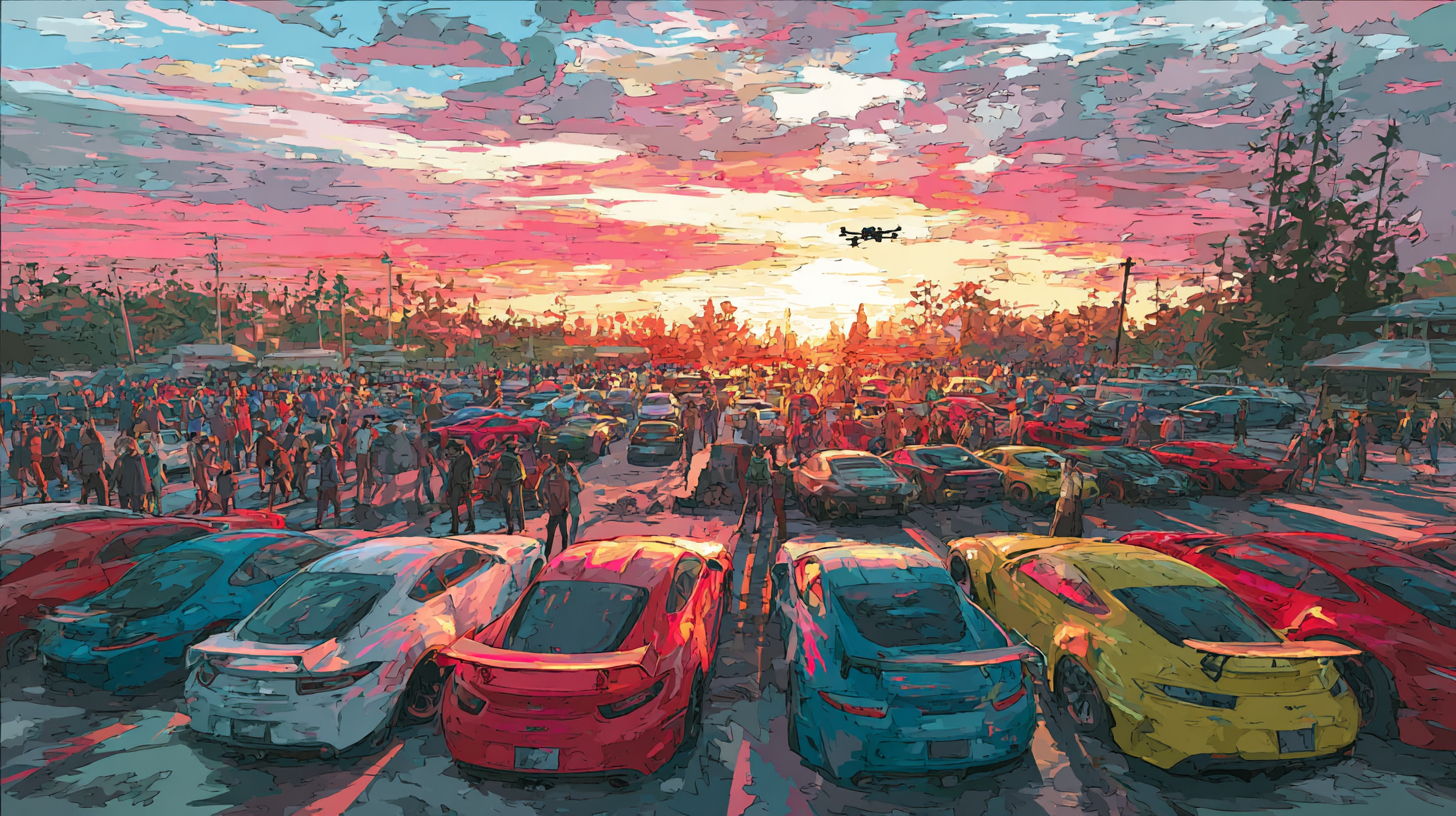
Short video made small meets visible. A clip that shows a row of Chargers at sunset with a crowd humming in the background can travel far beyond the zip code. Organizers use that reach to grow attendance and to draw vendors who care about exposure.
Attention cuts both ways. A beautiful rolling shot warms hearts. A reckless stunt chills them. The same algorithms that carry joy carry danger if the subject crosses into public risk. Responsible framing and filming became part of event planning because of that reality.
Community growth inspiration and collaborations
Events turned into content factories where local builders meet national creators, swap ideas, and film together. That collaboration spreads skill and style faster than any print era could dream.
Inspiration matters especially for newcomers. Seeing a Jeep recovery in person or hearing a Corvette on full song changes what people think is possible and what they want to learn next. Those moments carry back into online spaces where questions and guides follow quickly.
Reckless stunts and police crackdowns as risks
The negative side is not a secret. Pop-up sideshows and irresponsible runs attracted attention that hurt events. Organizers responded with clearer rules, tighter security, and public safety messaging that creators now amplify.
There is progress. Events that emphasize skill, education, and family-friendly fun earn support. Clips that show etiquette rather than chaos still pull strong reach. Audiences who care about the scene speak up in comments when they see content that could harm local meets. That public correction helps.
Marketing Brands and Consumers in the New SERP
Brand partnerships with influencers and creators
Brands now work with creators as a standard marketing channel. The pattern is simple. Credible voices explain complex features or honest trade-offs. Audiences trust those voices more than glossy ads and they act on that trust.
Partnerships require clarity. Audiences expect sponsored content to be upfront. They also expect criticism when a feature falls short. The creators who keep that line bright are the creators brands should work with, because trust lasts.
Consumer decisions shaped by video posts and reviews
Shoppers now watch before they walk. Short posts start a desire. Long reviews shape the final choice. Sprinklr cites how social research covers almost every step in a modern purchase path.
That behavior has a community upside. Buyers arrive informed. They ask better questions. They choose options that match use rather than image alone. The net effect is happier owners and fewer mismatched purchases.
Individual voices authenticity and sponsored content
Sponsored posts are here to stay. The only way they help is when they sound like the creator and not like a press release. Fans can tell when a voice changes for a paycheck. They can also tell when a creator holds a line and explains both pros and cons with care.
Creators who keep their voice earn long-term health. Brands who support that honesty earn respect in the comments and in the showroom. The feed remembers both outcomes.
Creative Upsides and Cultural Downsides
Inspiration skills sharing and inclusive communities
The upside of social culture is big. A teenager in a small town learns HP Tuners basics from a channel that cares. A parent buys a Ram and discovers towing how-tos that prevent rookie mistakes. A Jeep owner learns recovery safety from a trail group and shares that video with friends.
Inclusivity grew with visibility. Women creators lead wrenching channels. Builders of all ages post successes and failures. Fans see people like them do the work they want to try. That matters more than metrics. It changes who shows up and who stays.
Clout chasing copycat builds and safety concerns
There are downsides. Clout chasing pushes some builds toward shock value. Copycat choices flatten originality. The audience calls that out often.
Safety sits at the center of critique. Reckless stunts harm people and close doors. Clips that glamorize illegal behavior put meets and shops at risk. Filming can celebrate skill without inviting danger.
Balancing expression with responsibility on the road
Balance starts with intent. Expression is welcome. Responsibility is required. Creators who care model safe practice. Meets that care enforce rules. Fans who care give likes to posts that teach and discourage posts that harm. That feedback changes what spreads and it gives organizers the public support they need.
There is a phrase that fits here. Do cool things, carefully. It is not fancy. It is persuasive. It keeps the hobby alive.
Where Car Culture Is Headed Next
EV mods and the rise of software tuning
EVs forced a new toolkit. Software tunes, battery thermal management, and motor control joined the list beside intake and exhaust. Creator content started to explain this space slowly and carefully because these systems demand more precision than a bolt-on.
Expect growth in accessory ecosystems that fit EV realities. Wheels and tires still change the look and feel. Aero parts and light kits still make clips that travel. Software adds layers where range, heat, and traction get tuned for use. Education will be the center of that change and long-form video will likely carry the most weight.
Connected cars data and digital performance
Connected cars make performance digital. Live telemetry, over the air updates, and app controls add new levers. That connectivity also pulls brand service into social spaces where help and how-tos live beside creator content.
Data opens constructive debates. People compare logs and share charts. They diagnose in comments and build knowledge that helps owners save time and money. The tone stays practical when moderators and creators keep order and focus on learning.
Digital first clubs and virtual events
Digital-first clubs are already here. They meet online every day and in person occasionally. Virtual events will persist because they work for research and education even when travel is hard. Dealer case studies and platform notes show how live streaming and virtual showrooms complement in-person visits rather than replace them entirely.
Virtual does not mean hollow. When a track coach runs a live session online with clips and data and Q and A, people leave smarter. When a shop hosts a live unboxing and install with honest mistakes and real fixes, beginners pick up courage. Those moments help the entire scene level up.
Platform features and typical automotive content
| Platform | Strength | Automotive content that works |
|---|---|---|
| Visual polish | Rolling shots, wrap reveals, fitment galleries | |
| TikTok | Short audio hooks | Cold starts, quick POV pulls, tool tips |
| YouTube | Long arc teaching | Build series, dyno testing, reviews |
Signals that push a trend across feeds
- Clear sensory payoff on camera
- Repeatable steps beginners can try
- Creator voices with credibility and humor
- Algorithm-friendly hashtags
Takeaway and next steps
The influence of social media on car culture is a complex net positive when education and safety lead. Short clips bring energy. Long videos build skill. Brands, creators, and fans can keep the scene healthy by rewarding honesty and responsibility.
The next wave will add EV mods and connected performance. Learn the tools. Share what works. Keep community first.