
What a Cowl Panel Does and Why It Matters More Than Most Drivers Realize

The Cowl Panel: The Overlooked Component That Protects Your Interior, Air Quality, and Electronics
TL;DR
The cowl panel sits at the base of the windshield and plays a critical role in managing airflow, directing rainwater, and protecting interior components. When it cracks, warps, or comes loose, water can leak into the cabin, debris can clog drainage channels, and moisture can damage electronics and HVAC systems. Although often overlooked, a properly sealed OEM cowl panel helps prevent interior leaks, improves cabin air quality, and protects long-term vehicle reliability.
Most vehicle owners can identify major exterior components at a glance. Hoods, bumpers, headlights, mirrors, and grilles are all familiar parts of a vehicle’s design. Yet there is one exterior panel that almost never gets attention, despite playing a critical role in comfort, safety, and long-term reliability. That part is the cowl panel.
Hidden at the base of the windshield, the cowl panel rarely draws attention until something goes wrong. When it fails, however, the symptoms often show up where drivers least expect them. Water appears on the passenger floor. The cabin develops a musty smell. Electrical issues surface after heavy rain. Wind noise increases at highway speeds. In many cases, these problems are misdiagnosed as windshield seal failures or HVAC malfunctions, when the real culprit is a cracked, warped, or missing cowl panel.
Modern vehicles rely on precise airflow management, controlled water drainage, and tight sealing between exterior and interior systems. The cowl panel sits at the intersection of all three. It manages how fresh air enters the cabin, directs rainwater away from sensitive components, and shields critical systems beneath the windshield from debris and moisture. Despite its relatively simple appearance, it performs a complex and essential role.
Understanding how the cowl panel works, why it fails, and when it should be replaced can save drivers from costly repairs and long-term interior damage. This article takes a deep look at what a cowl panel is, what it does, and why replacing it with the correct OEM component matters more than many drivers realize.
What Is a Cowl Panel?
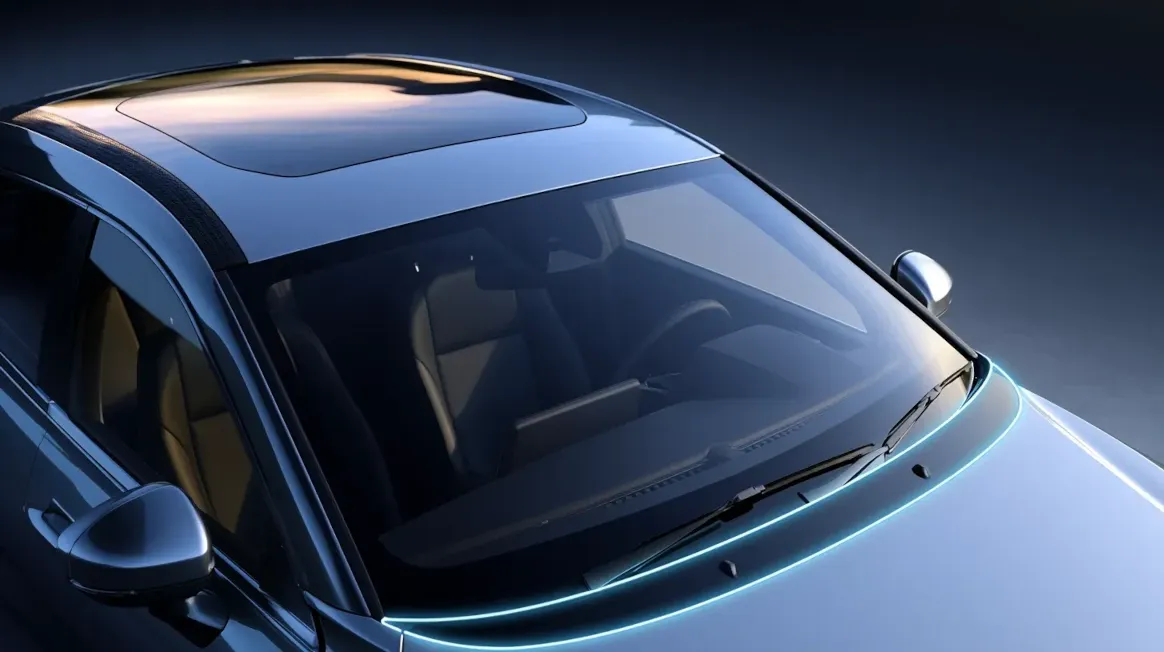
The cowl panel, sometimes referred to as a windshield cowl, cowl grille, or cowl vent panel, is the exterior panel located at the base of the windshield, directly below the glass and typically beneath the windshield wipers. While designs vary by manufacturer and model, the cowl panel usually spans the width of the vehicle and sits between the hood and the windshield.
On most modern vehicles, the cowl panel is made from molded plastic or composite material. It is designed to withstand constant exposure to sunlight, heat, rain, and temperature changes. Its surface may be smooth, textured, or vented, depending on how the vehicle’s HVAC system is designed.
Although it looks like a simple trim piece, the cowl panel is not cosmetic. Beneath it lies a critical area known as the cowl plenum, which houses drainage channels, air intake openings, wiring pass-throughs, and sometimes electronic components. The cowl panel serves as a protective cover and directional surface for everything underneath.
Because of its location, the cowl panel acts as a first line of defense between the environment and the vehicle’s interior systems. When it is intact and properly sealed, it quietly does its job without notice. When it is damaged or missing, the effects can cascade throughout the vehicle.
Where the Cowl Panel Sits and Why That Location Matters
The position of the cowl panel is not accidental. It sits at one of the most exposed points on the vehicle. Rainwater flowing down the windshield naturally collects at its base. Leaves, dust, pollen, and road debris are carried by airflow toward the same area. At highway speeds, air pressure builds at the lower windshield, making it an ideal location for controlled air intake.
Automakers design the cowl area to manage all of these forces at once. The cowl panel’s shape directs water into drainage channels that lead safely away from the cabin and engine bay. Its vent openings allow fresh air to enter the HVAC system while preventing debris from following the same path. Its seal against the windshield and hood prevents water from seeping into the firewall or interior.
Because so many systems converge in this area, even small imperfections in the cowl panel can create outsized problems. A hairline crack, a warped edge, or a missing fastener can alter airflow patterns and water routing in ways that are not immediately visible but become costly over time.
What Does a Cowl Panel Actually Do?
The true importance of the cowl panel becomes clear when its functions are broken down individually. Each role may seem minor on its own, but together they form a system that protects the vehicle’s interior and electronics.
Managing Fresh Air Intake
One of the cowl panel’s primary functions is to help deliver fresh air into the cabin. On most vehicles, the HVAC system draws outside air through an intake located in the cowl area. The cowl panel helps shape and protect this intake opening.
By positioning the intake at the base of the windshield, manufacturers take advantage of natural airflow patterns. This location allows the system to draw air efficiently while minimizing turbulence and noise. Gaps or warping in the cowl panel can disrupt airflow at the base of the windshield, contributing to increased wind noise and reducing the effectiveness of modern cabin noise reduction strategies.
When a cowl panel is damaged or improperly fitted, debris and moisture can bypass the intended path and enter the HVAC system directly. This can overwhelm the cabin air filter, introduce mold-causing moisture, and reduce overall air quality inside the vehicle.
Controlling Water Drainage
Every time it rains or the windshield is washed, water flows down the glass and collects at its base. The cowl panel plays a key role in directing this water away from sensitive areas.
Underneath the cowl panel are drainage channels designed to carry water toward designated exit points, usually down the firewall and out through the wheel wells or underbody. When these channels remain clear and properly sealed, water never reaches the interior or electrical components.
A cracked or misaligned cowl panel can disrupt this system. Instead of flowing into the drains, water may pool in the cowl plenum or leak through seams into the cabin. Over time, repeated moisture exposure can damage carpets, insulation, and wiring.
Blocking Debris and Contaminants
Leaves, pine needles, dust, and road grime naturally collect at the base of the windshield. The cowl panel acts as a barrier that prevents this debris from entering the HVAC system or clogging drainage channels.
Many cowl panels incorporate vented designs or integrated screens that allow air to pass through while catching larger debris. When the panel is intact, this debris can be easily cleared during routine maintenance. When the panel is broken or missing, debris can accumulate unseen, leading to clogged drains and standing water.
Protecting Electronics and Wiring
Modern vehicles pack a surprising amount of electronics into the area beneath the windshield. Wiring harnesses, sensors, control modules, and even fuse boxes may be routed through or near the cowl area.
The cowl panel shields these components from direct exposure to water and debris. When water intrusion occurs due to a failing cowl panel, electrical problems can follow. Intermittent faults, warning lights, and corrosion are common symptoms of moisture exposure in this area.
Common Signs of a Failing or Damaged Cowl Panel
One of the most common signs is water leaking into the passenger footwell. After heavy rain, drivers may notice damp carpet or standing water on the floor. This is often blamed on door seals or windshield leaks, but a compromised cowl panel is a frequent cause.
Another warning sign is a musty or moldy smell coming from the air vents. When moisture enters the HVAC intake through a damaged cowl panel, it can saturate the cabin air filter and ductwork.
Visible damage is also a clue. Cracks, warping, faded plastic, or missing fasteners along the cowl panel indicate that it may no longer be sealing properly.
Some drivers notice rattling or wind noise at the base of the windshield, particularly at highway speeds. This can occur when the cowl panel has come loose or no longer fits flush against surrounding panels.
What Causes Cowl Panels to Wear Out?
Long-term UV exposure is one of the most common causes of cowl panel failure. Over years of sunlight, plastic materials become brittle and prone to cracking.
Heat and temperature cycling further stress the panel as the area beneath the windshield expands and contracts repeatedly.
Ice buildup during winter can also crack or dislodge the panel, especially when scraping frozen windshields. As part of preparing your car for winter, inspecting the cowl panel can help prevent water intrusion before freezing temperatures set in.
Improper windshield replacement and low-quality replacement parts are additional contributors to premature failure.
Can You Drive With a Broken Cowl Panel?
Technically, a vehicle can still be driven with a damaged or missing cowl panel. The engine will run, and the vehicle may appear functional in dry conditions. However, driving with a compromised cowl panel introduces several risks.
Water intrusion is the most immediate concern. Even a small amount of moisture entering the cabin repeatedly can lead to mold growth, unpleasant odors, and interior deterioration. Electrical components exposed to moisture may fail unpredictably, creating safety and reliability issues.
Long-term exposure to water can also damage insulation and sound-deadening materials, leading to increased road noise and reduced comfort. In extreme cases, corrosion may spread to structural components near the firewall.
OEM vs Aftermarket Cowl Panels
When it comes time to replace a cowl panel, drivers often face a choice between OEM and aftermarket options. While aftermarket panels may appear similar at a glance, there are important differences that affect performance and longevity.
OEM cowl panels are designed specifically for each vehicle’s windshield angle, hood profile, and HVAC intake layout. Their drainage channels align precisely with factory drain paths, and their seals are engineered to mate correctly with surrounding components.
Aftermarket panels may use more generic molds or lower-grade materials. Even small deviations in shape can alter how water flows through the cowl area. Poorly aligned vent openings can restrict airflow or allow debris into the HVAC system.
Material quality also matters. OEM panels are tested for UV resistance, temperature extremes, and long-term durability. Cheaper alternatives may degrade faster, leading to repeated replacements and higher costs over time.
What to Expect When Replacing a Cowl Panel
Replacing a cowl panel is typically a straightforward process, though the exact steps vary by vehicle. On many models, the windshield wiper arms must be removed to access the panel. The panel itself is usually secured with clips, screws, or a combination of both.
Proper installation involves more than simply snapping the panel into place. Drainage channels should be inspected and cleared of debris before installation. Seals must sit flush against the windshield and hood to prevent leaks.
This is also a good opportunity to inspect windshield wiper blades for seasonal wear.
Why Cowl Panels Matter Even More on Trucks and SUVs
Trucks and SUVs often experience greater exposure to environmental stress than passenger cars. Their larger windshields collect more water, and their higher ride height exposes the cowl area to more airborne debris.
Off-road driving, construction sites, and rural roads can introduce dirt and leaves into the cowl area more quickly. Larger HVAC systems also draw more air through the cowl intake, increasing the importance of proper sealing and debris control.
The Bottom Line
The cowl panel may be one of the most overlooked components on a vehicle, but its role is anything but minor. By managing airflow, directing water, blocking debris, and protecting sensitive electronics, it serves as a critical barrier between the environment and the vehicle’s interior.
When a cowl panel fails, the resulting problems often appear far from their source. Water leaks, odors, electrical issues, and interior damage can all trace back to this single component. Understanding its function and addressing damage early can prevent costly repairs and preserve vehicle comfort.
For drivers who value long-term reliability and proper protection, replacing a damaged cowl panel with the correct OEM part is a small investment that delivers significant peace of mind.

About World Parts Direct
World Parts Direct is your go-to source for genuine OEM parts for GM and MOPAR vehicles. We make it easy to order factory-original parts online — shipped fast, accurately, and backed by real human support.
Every item we sell comes brand new in the manufacturer’s original packaging. Whether you’re handling routine maintenance, collision repair, or a full restoration, our parts professionals provide VIN-verified fitment support to ensure you get exactly what you need.
Serving drivers and repair shops worldwide, we proudly support brands like Chevrolet, GMC, Cadillac, Buick, Dodge, Chrysler, Jeep, and Ram. Shop confidently at WorldPartsDirect.com.