
Car Detailing Guide from Beginner to Professional: Step-by-Step 2025 Handbook

Car Detailing Guide from Beginner to Professional- Complete Pro Tips
Detailing is the systematic cleaning, restoring, and protecting of your vehicle’s exterior and interior. The Car Detailing Guide from Beginner to Professional approach starts with beginner basics and builds toward advanced techniques so you can grow skills safely and confidently.
TLDR Summary
Begin with a safe wash in shade. Use the two-bucket method, grit guards, and microfiber towels to prevent swirls. Clean wheels and tires first, then decontaminate paint with clay and iron remover. Polish lightly after a test spot, protect with wax, sealant, or ceramic, and maintain with gentle shampoos. Interior detailing follows top-to-bottom: vacuum, clean leather and plastics, shampoo and extract carpets, and control odors.
As skills improve, add intermediate steps like machine polishing and advanced options such as ceramic coatings and multi-stage correction. As of 2025, full details commonly range $150 to $500 in the U.S., while DIY saves costs with repeatable tools.
Complete Car Detailing Guide from Beginner to Professional
Beginner pathway and first steps
Start with the basics in a cool workspace. Organize tools, remove personal items, and plan a top-to-bottom workflow. Clean wheels first to avoid dragging brake dust onto clean paint. Most beginners see quick wins from proper wash technique and gentle drying, which protects clear coat and sets the foundation for correction and protection later.
- Rinse thoroughly to remove loose grime.
- Foam pre-soak to soften dirt.
- Use the two-bucket method with grit guards.
- Work panel by panel from roof downward.
- Dry with plush microfiber towels.
Example starter kit: two 5-gallon buckets with grit guards, pH-neutral shampoo, microfiber wash mitt, wheel brushes, dedicated wheel cleaner, and 6–12 plush microfibers for drying and buffing. A basic clay bar kit and an iron remover help achieve a slick, clean surface before protection.
One of the fastest “looks better instantly” upgrades after a detail is addressing chips with OEM Touch-Up Paint matched to your factory color.
Intermediate skills to build confidence
Once the wash and decontamination steps feel comfortable, expand into light machine polishing and interior extraction. A dual-action polisher is forgiving and ideal for learning. Focus on a small test spot to choose pad and polish. Inside, use steam or extractors only after vacuuming and spot treating stains.
- Perform a test spot on one panel to dial in cutting and finishing pads.
- Correct minor swirls with a finishing polish and soft foam pad.
- Protect with a durable sealant or spray ceramic topper for easier maintenance.
- Extract carpets for odor control and deep cleaning.
Expect smoother paint, better gloss, and reduced washing time. Add a maintenance routine every two to six weeks depending on driving and weather.
Professional level techniques roadmap
Advanced steps include multi-stage paint correction, ceramic coating with careful prep, and specialized interior treatments such as ozone odor removal. Master defect inspection under proper lighting, understand clear coat thickness, and plan correction conservatively. For interiors, protect fabric and leather with dedicated coatings.
- Measure paint with a thickness gauge before heavy correction.
- Use compound and polish sequences with microfiber or foam pads.
- Lay ceramic coatings carefully in sections and respect cure windows.
- Apply fabric guards, leather coatings, and advanced odor treatments
Professionals in the U.S. often package services based on condition and vehicle size; as of 2025.
Essential Tools And Products To Get Started
Buckets mitts towels and grit guards
Your wash kit should protect paint from scratches while making cleanup efficient. At minimum, stock:
- Two 5-gallon buckets with grit guards
- A plush microfiber or lambswool wash mitt for paint, plus a dedicated mitt for wheels
- Thick microfiber drying towels to prevent water spots
- Detailing brushes for badges, grills, and emblems
Tip: Color-code your towels — keep glass towels separate to avoid streaks, and never mix wheel towels with paint towels.
Cleaners sprays soaps and clay bar
A solid starter kit includes products for different surfaces and contaminants:
- pH-neutral shampoo for routine washing
- All-purpose cleaner for trims, jambs, and plastics
- Dedicated wheel cleaner matched to your finish
- Clay bar kit with lubricant for bonded contaminants
- Iron remover for paint panels and wheels
Pro tip: Many detailers pair clay and iron remover after the wash to prep surfaces before polishing or protection.
Shop OEM-safe car wash shampoo
Pressure washer foam cannon and brushes
These tools make washing faster and safer when used correctly:
- Pressure washer (1.2–2.0 GPM range) for strong but safe rinsing
- Foam cannon compatible with your washer to apply thick pre-wash foam
- Wheel brushes for faces, barrels, and lug recesses
- Tire scrub brush to tackle browning and grime
Alternative: If you don’t have a pressure washer, a garden hose with a high-flow nozzle plus a pump foam sprayer can substitute.
Beginner note: Keep distance from paint with pressure washers and avoid blasting seals and delicate trim.
Workspace Setup And Safety For US Drivers
Choose shade and cool surfaces
Direct sun accelerates drying and causes spotting. Work in shade on cool panels. If outside, plan early morning or late afternoon sessions. Keep the car wet during washing to minimize mineral deposits. On hot days, shorter sections and faster rinses help maintain control.
- Shade or covered carport
- Cool-to-the-touch panels
- Hose or pressure washer nearby
- Plenty of microfiber towels staged
Micro anecdote: A mid-summer wash on a black SUV can turn into a race against drying soap. Shade and a quick rinse rhythm save the day.
Protect yourself and test products
Wear gloves and eye protection when handling cleaners, iron removers, or solvents. Test unfamiliar products on a hidden spot and follow labels closely. Keep ventilation high for interior work. Avoid dressing pedals or steering wheel. These safety habits prevent slips and surface damage.
- Nitrile gloves and safety glasses
- Test small areas for colorfastness
- Ventilate the cabin while cleaning
- Do not dress controls or pedals
Advanced note: When machine polishing, secure cables away from paint and tape off sensitive trim to avoid staining.
Organize workflow and time
Plan a logical sequence. Wheels and tires first, then pre-wash, wash, decontaminate, polish, protect, and interior. Budget 2 to 3 hours for a thorough beginner detail, more if decontamination and light polishing are included. Good staging reduces back-and-forth and keeps towels clean and sorted.
- Stage tools at front and rear of the vehicle
- Create towel stacks for paint, glass, and interior
- Use caddies for chemicals and brushes
- Set timers for dwell products like foam and iron remover
Industry pattern: Professionals optimize flow because time on task affects pricing and margins. DIY gains similar benefits through simple prep.
Exterior Detailing Process Step By Step
Pre wash and foam in the shade
Rinse down, apply foam with a cannon and let it dwell two to four minutes. The foam encapsulates grime so less pressure is needed during hand washing. Focus on lower panels, bumpers, grills, and mirrors where bugs and tar accumulate.
- Rinse top to bottom until loose dirt is gone.
- Cover panels with foam and allow dwell time.
- Agitate badges and grills with a soft brush.
- Rinse thoroughly, keeping panels wet.
Success check: Run fingers lightly across a wet panel. If grit is still present, repeat dwell and rinse before contact washing.
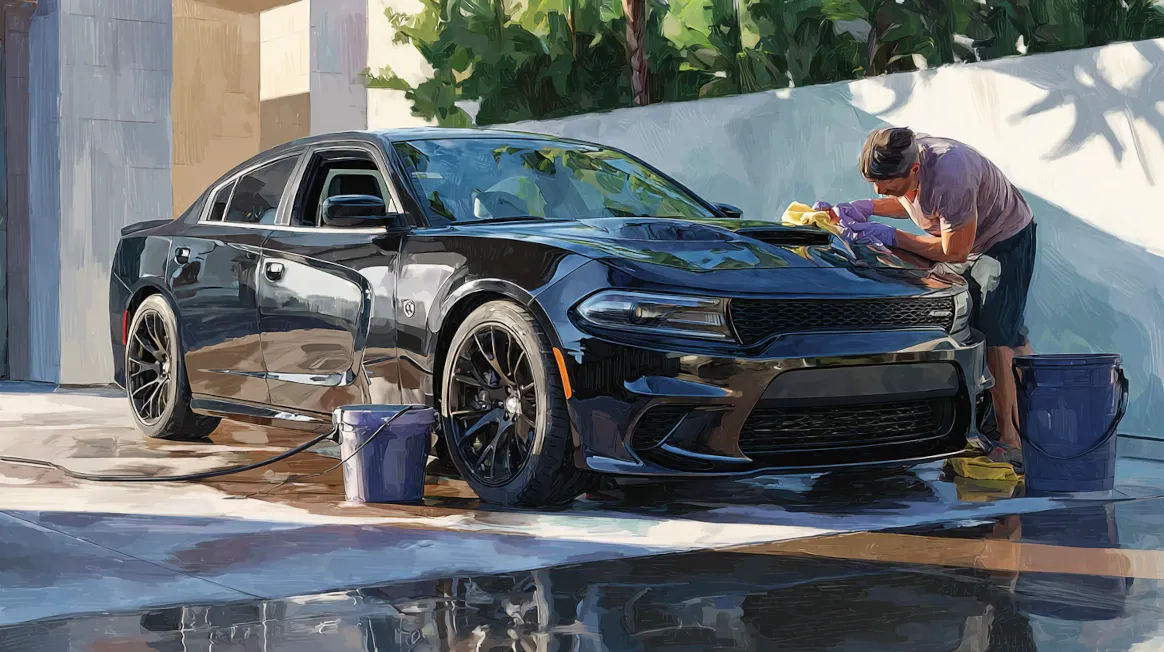
Hand wash using the two bucket method
Use one bucket for soapy water and one bucket for rinsing the mitt. Include grit guards in both buckets. Wash one panel at a time, starting from the roof, using straight-line motions. Rinse the mitt in the clean water bucket before reloading with soap to avoid reintroducing grit.
- Load the mitt with soapy solution.
- Wash a single panel in straight lines.
- Rinse mitt in the clean bucket with grit guard.
- Reload with soap and move to the next panel.
Beginner tip: Replace rinse water if it becomes cloudy. Dirty rinse water is a common source of swirls.
Dry and wipe down with microfiber towels
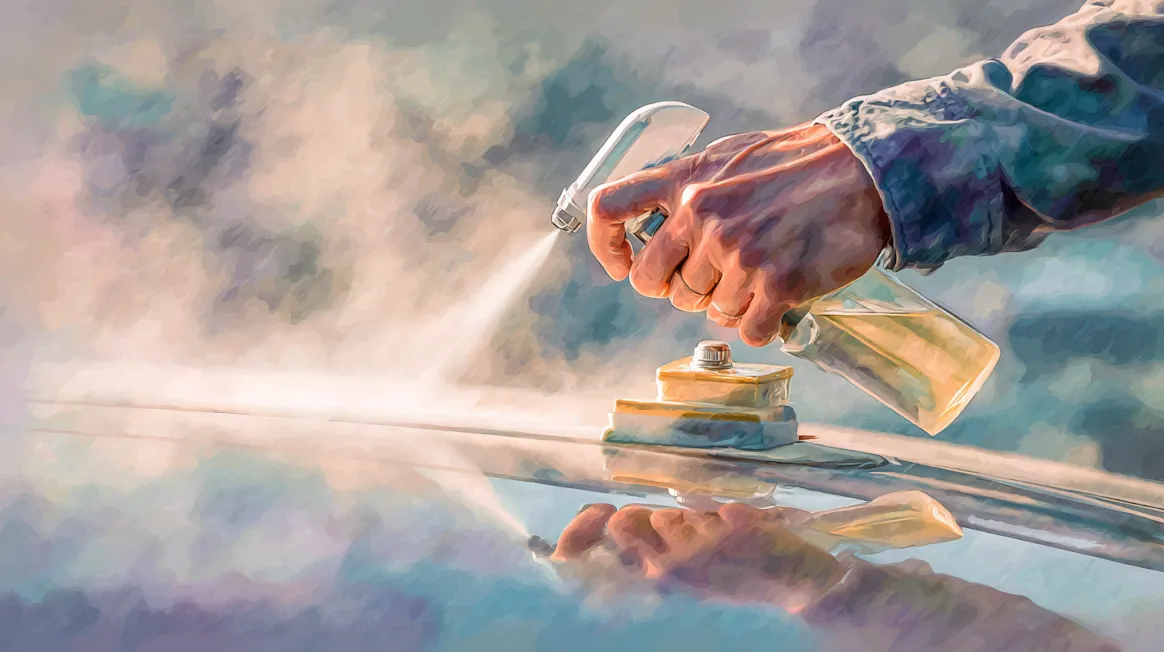
Gently blot and glide a plush towel over panels. A drying aid spray can add lubricity and prevent spotting. Blow out mirrors, emblems, and trim gaps where water hides. Inspect for water spots and streaks and re-wipe as needed. Keep a dedicated towel for glass to avoid transfer.
- Use high GSM drying towels
- Apply a drying aid for slickness
- Blow out crevices with a small blower
- Finish glass last with a clean towel
Success check: No visible drips from mirrors or trim. Paint feels slick and streak-free to the touch.
Wheels And Tires Cleaning The Right Way
Spray wheel cleaner and agitate with brushes
Cool wheels to the touch. Spray wheel cleaner onto faces, barrels, and lug recesses. Agitate with a soft face brush and a barrel brush. Scrub tires with an all-purpose cleaner or dedicated rubber cleaner to remove browning.
- Apply cleaner evenly on each wheel.
- Agitate faces and barrels with the correct brushes.
- Scrub tires in circular motion to lift grime.
Note: Use separate buckets and brushes for wheels to prevent cross-contamination with paint.
Rinse with hose or pressure washer
Rinse thoroughly from top of the wheel down to flush away cleaner and lifted dirt. Rotate brushes through the rinse to keep them clean. Repeat on all four corners. Check calipers and behind spokes for remaining debris.
- Top-down rinse strategy
- Brush rinse between wheels
- Inspect lug holes and calipers
Success check: Water runs clear from wheel barrels. Tires look uniformly clean without brown patches.
Apply tire dressing and wheel sealant
Dry wheels and tires. Apply a low-sling tire dressing with a foam applicator and buff excess. Seal wheels with a spray sealant to repel brake dust and simplify future cleaning. Avoid glossy dressing on track vehicles; use a matte finish to limit sling.
- Low-sling dressing on sidewalls
- Buff excess to prevent sling
- Wheel sealant applied and leveled
Maintenance cue: Reapply dressing every few weeks depending on weather and washing frequency.
If you drive in rain, construction zones, or winter slush, OEM Splash Guards / Mud Flaps can reduce rocker-panel grime and help you stay cleaner longer between details.
Paint Decontamination And Surface Prep
Use clay bar with lubricant
Work one section at a time with generous lubricant. Glide clay in straight lines until resistance fades. Wipe residue with a microfiber. Clay removes bonded contaminants and reveals a smoother surface ready for correction and protection.
- Spray lubricant liberally on a small area.
- Pass the clay gently in straight lines.
- When smooth, wipe with a clean microfiber.
Beginner note: If clay drops on the ground, discard it. A clay mitt is reusable and easier to hold.
Apply iron remover on panels and wheels
Spray iron remover on lower panels and wheels. Let it dwell until color changes to purple or red, indicating reaction with ferrous particles. Agitate gently if needed, then rinse completely. Do not allow the product to dry on surfaces.
- Target high-contamination areas
- Watch for color change as indicator
- Rinse thoroughly before drying
Success check: Panels feel slick after rinse and show less contamination under inspection lighting.
Wipe down panels with prep spray
Use an alcohol-based panel prep or dedicated paint prep spray. Wipe in straight lines to remove oils and residues left by clay or polishes. This step creates a clean surface for wax, sealant, or coatings to bond well.
- Dedicated panel prep spray
- Straight-line wipe pattern
- Fresh, lint-free microfiber
Advanced note: Tape off rubber trim and textured plastics to prevent staining during correction and protection.
Paint Correction And Polishing Basics
Inspect defects and plan a test spot
Use bright, targeted lighting to identify swirls, scratches, and oxidation. Choose a small test spot, then try the least aggressive pad and polish that yields acceptable improvement. This conservative approach preserves clear coat and reduces risk of holograms.
- Identify defects with handheld or stand lights.
- Select a test spot and tape off edges.
- Begin with a finishing pad and polish.
Observation: If a finishing polish improves 60 to 70 percent of defects, it’s usually the right balance for a daily driver.
Work with a dual action polisher
A dual-action polisher oscillates and rotates, reducing the risk of burning paint. Prime the pad, apply a few drops of product, set moderate speed, and work small sections with overlapping passes. Keep the pad flat, and clean pads frequently to maintain cut and finish.
- Prime pad and add pea-sized drops of polish.
- Set speed around mid-range and start slowly.
- Use overlapping passes, keep pad flat.
- Wipe residue and inspect under light.
Beginner tip: Avoid edges and thin areas until comfortable. Pad tilt concentrates pressure and can mar paint.
Refine and check gloss under light
Switch to a softer pad and finishing polish to refine the surface. Inspect under different lights such as LED and sunlight. Adjust technique if micro-marring appears. The goal is clear, deep gloss without haze or holograms.
- Finishing pad for final refinement
- Multiple light sources for inspection
- Panel-by-panel quality control
Success check: Uniform clarity. No haze visible under harsh lighting. Water behavior improves with subsequent protection.
Protection Wax Sealant And Ceramic Coating
Apply wax or sealant for short term protection
Wax provides warm gloss and short-term protection. Sealants last longer and resist weather better. Use thin, even coats, allow proper haze or cure time per product, and buff to a clean shine. On daily drivers, a modern sealant or spray ceramic is practical and durable.
- Apply thin coats on cool, clean paint.
- Allow haze or cure per label.
- Buff with a soft microfiber to a bright finish.
Maintenance: Reapply every one to three months for wax and three to six months for sealants, adjusted by climate and washing frequency.
Ceramic coating prep application and cure
Ceramic coatings bond chemically to paint for long-lasting protection. They require pristine prep. After correction and panel wipe, apply in small sections, level high spots within the working window, and avoid water exposure during early cure. Respect manufacturer cure timelines.
- Finish correction and perform a thorough panel wipe.
- Apply coating with an applicator in crosshatch pattern.
- Level with a microfiber before high spots set.
- Follow cure guidelines and avoid moisture.
Advanced note: Consider a topper after full cure for slickness. Use pH-neutral shampoos to maintain hydrophobics.
Wash maintenance for long term protection
Once protected, use gentle wash routines. Foam pre-soak, two-bucket or multi-towel methods, and drying aids keep swirls at bay. Inspect hydrophobic behavior and boost with maintenance sprays as needed. Avoid harsh chemicals that can dull coatings or strip sealants.
- Gentle shampoos and foam pre-soaks
- Multi-towel rinseless for winter or apartments
- Periodic maintenance sprays
- Avoid automatic brushes and harsh degreasers
Pattern: Regular maintenance extends coating life and keeps gloss consistent between details.
Interior Detailing Process Step By Step
Vacuum and dust top to bottom
Remove mats and loose items. Use compressed air or a soft brush to dislodge debris from seams, vents, and between seats. Vacuum thoroughly from headliner down to carpets. Working top-down prevents re-contaminating cleaned areas.
- Clear personal items and remove mats.
- Loosen debris with air or brushes.
- Vacuum seats, carpets, and trunk.
Success check: No visible debris around shifter, console, or seat rails. Floor mats ready for cleaning separately.
If you’re constantly fighting sand, salt, or muddy shoes, OEM All-Weather Floor Mats can make your weekly cleanup way faster.
Clean and condition leather and plastics
Use interior-safe cleaners on dashboards, consoles, and door panels. Apply gently with a microfiber and detail brush for seams. Clean leather with a dedicated leather cleaner and follow with conditioner. Leave a factory-matte finish on plastics; avoid slick dressings on touch points.
- Interior cleaner applied to microfiber
- Detail brushes for vents and controls
- Leather conditioner after cleaning
Beginner tip: Test for colorfastness under a seat or hidden area before tackling visible panels.
Shampoo extract carpets and remove odors
Spot treat stains. Agitate with carpet shampoo, then extract with hot water to remove residue. For persistent odors, consider ozone treatment after surfaces are dry. Finish with a light fragrance under the seat, never masking active odors.
- Spot treat stains with appropriate cleaner.
- Shampoo and agitate fibers evenly.
- Extract thoroughly and allow to dry.
Advanced note: A fabric guard helps resist future spills and makes routine cleaning faster.
If odors linger even after a deep clean, replacing your OEM Cabin Air Filter can make a noticeable difference in how the cabin smells day-to-day.
Two Bucket Method And Modern Alternatives
Single bucket method pros and cons
Single bucket washing is simple and faster but raises risk of swirls because dirt re-enters the wash solution. It’s acceptable for lightly soiled cars with frequent maintenance, but use a foam pre-soak and refresh solution often. For most scenarios, two-bucket or multi-towel approaches are safer.
- Pros: simplicity, speed
- Cons: higher scratch risk
- Mitigation: foam pre-soak, frequent water changes
Success check: Inspect under light for fresh marring. If you see new swirls, upgrade your method.
Foam cannon pre soak benefits
Foam pre-soak lifts and suspends dirt before contact. The dwell time reduces friction, especially on neglected vehicles. It’s a strong addition to both traditional and rinseless methods. Use pH-neutral foam on protected cars to avoid stripping waxes or sealants.
- Thick foam coverage in shade
- Two to four minutes dwell time
- Agitate intricate areas with brushes
Observation: After consistent foam pre-soaks, many drivers notice fewer swirls and faster hand washes.
Multi towel and rinseless wash options
Rinseless products suspend dirt so it can be wiped safely with multiple clean towels. Each towel touches only a small area before being retired, reducing cross-contamination. This method works well in winter, drought zones, or apartments.
- Mix rinseless solution per label in a bucket.
- Soak several clean microfiber towels.
- Wipe one small section per towel side.
- Dry immediately with a separate towel.
Advanced note: Use plush, edgeless towels for rinseless techniques and avoid heavy contamination without a pre-rinse.
How to detail a car step by step for beginners
This section prioritizes beginner-friendly sequencing with clear, simple actions. It assumes a driveway setup, shade, and basic tools.
- Stage tools. Two buckets with grit guards, shampoo, mitts, wheel cleaner, brushes, clay kit, iron remover, drying towels, and interior cleaner.
- Wheels first. Spray wheel cleaner, agitate with brushes, scrub tires, and rinse thoroughly.
- Pre-wash. Rinse the vehicle and apply foam. Agitate grills and emblems, then rinse.
- Hand wash. Two-bucket method from roof downward in straight lines.
- Dry. Use plush microfiber and a drying aid. Blow out crevices.
- Decontaminate. Clay with lubricant panel by panel. Apply iron remover on lower panels and wheels, then rinse.
- Protect. Use a spray sealant or wax for easy, beginner-friendly protection.
- Interior. Vacuum top to bottom, wipe plastics with interior cleaner, clean and condition leather, shampoo and extract carpets.
- Final check. Clean windows, apply tire dressing lightly, and inspect under good light.
Don’t forget visibility: fresh OEM Wiper Blades can eliminate streaking that makes clean glass look dirty again.
Time and difficulty: Beginner detail in 2 to 3 hours. Add 60 to 90 minutes for decontamination and light protection.
What is the 2 bucket method for car detailing
The two-bucket method separates wash and rinse to reduce scratches. One bucket holds soapy solution; the other stores rinse water with a grit guard that traps dirt. After washing a panel, rinse the mitt in the clean bucket, then reload with soap. This minimizes reintroducing contaminants onto paint.
- Wash bucket with shampoo
- Rinse bucket with grit guard
- Straight-line motions reduce swirls
Beginner tip: Refresh rinse water midway through the wash to maintain safety.
How often should you detail your car
Frequency depends on driving and environment. Daily drivers typically benefit from detailing every three to six months and maintenance washes in between. Harsh climates with intense sun or road salt may require more frequent care, about every two to three months. Lightly driven or garage-kept cars can stretch intervals.
- Daily use: detail every 3–6 months
- Harsh conditions: every 2–3 months
- Garage-kept or seldom used: biannual or annual
Budget note: As of 2025, U.S. full details often range $150 to $500, with mobile services seeing growth and price variability by city.
Current Trends in Car Detailing (2025)
Detailing isn’t static; techniques and products keep shifting with technology, regulations, and social influence. Some of the biggest trends shaping the detailing world today include:
Ceramic and Graphene Coatings
Once reserved for high-end shops, these long-lasting protective layers are now widely available in DIY kits. Ceramic remains the standard for gloss and durability, while graphene coatings promise easier maintenance and improved water-spot resistance.
For vehicles parked outside, an OEM Car Cover helps protect clean paint from dust, sap, bird droppings, and UV between washes.
Eco-Friendly Detailing Products
pH-balanced shampoos, rinseless wash solutions, and biodegradable cleaners are in demand as enthusiasts look for safer products that meet stricter environmental standards. Waterless washes have gained popularity for apartment dwellers and drought-affected regions.
Foam Cannons and Touchless Pre-Wash
Social media has made thick foam applications a fan-favorite. Beyond the visual appeal, foam pre-wash is valued for reducing swirl marks and scratches by lifting dirt before contact.
Interior Protection and Odor Control
With more people daily-driving performance cars and SUVs, there’s a focus on interior coatings for leather, fabrics, and plastics. Ozone generators and enzyme-based cleaners are also trending for eliminating deep-set odors.
Detailing as Content
TikTok, Instagram Reels, and YouTube Shorts have fueled a wave of quick before-and-after videos. Products that deliver instant visual “wow” — like foam, clay, or gloss sprays — see big spikes in popularity thanks to viral clips.
Professional-Grade Tools Going DIY
Dual-action polishers, paint depth gauges, and extractor vacuums are more affordable than ever, letting DIY detailers mimic shop-level results at home.
Final takeaway
The Car Detailing Guide from Beginner to Professional path builds from safe washing toward correction and coatings. Next step: schedule a weekend detail, start with the wash and wheels, and add decontamination and protection as confidence grows. Keep notes on products and pad combos that worked so your results improve every time.

About World Parts Direct
World Parts Direct is your go-to source for genuine OEM parts for GM and MOPAR vehicles. We make it easy to order factory-original parts online — shipped fast, accurately, and backed by real human support.
Every item we sell comes brand new in the manufacturer’s original packaging. Whether you’re handling routine maintenance, collision repair, or a full restoration, our parts professionals provide VIN-verified fitment support to ensure you get exactly what you need.
Serving drivers and repair shops worldwide, we proudly support brands like Chevrolet, GMC, Cadillac, Buick, Dodge, Chrysler, Jeep, and Ram. Shop confidently at WorldPartsDirect.com.