
Looking Back on the Chrysler 300: The Last Great American Sedan

Looking Back on the Chrysler 300: The Last Great American Sedan
TLDR: Why the Chrysler 300 Still Matters
The Chrysler 300 stood out as one of the last great American sedans. It combined bold design, rear wheel drive power, real HEMI performance, and everyday comfort in a way that very few modern cars have matched. Now that production has ended, the 300 sits at the crossroads of classic muscle and modern luxury, and its legacy looks stronger than ever.
- The Chrysler 300 carried the heritage of the original 1950s letter series into the modern era with real power and presence.
- The 2005 rebirth shocked the market with its design, Mercedes influenced engineering, and available HEMI V8 power.
- Performance models, especially the SRT and final 300C, delivered serious muscle sedan performance at an attainable price.
- The 300 offered affordable luxury with a large, quiet cabin, strong tech, and available all wheel drive for real world use.
- It became a cultural icon in music, film, and custom car scenes, earning the nickname "Baby Bentley" among fans.
- The second generation brought a more refined interior and chassis while keeping the 300's core identity intact.
- The end of production and the final 300C marked the end of an era for rear wheel drive V8 American sedans.
- Enthusiasts still value the 300 for its blend of muscle, comfort, and character, and it is already on a path toward modern classic status.
The Chrysler 300 left the automotive world with the kind of impact few modern sedans achieve. It was bold, rear wheel drive, unapologetically American, and instantly recognizable from blocks away. When the first modern 300 arrived in 2005, it did more than refresh Chrysler’s image. It created a new category of car. It offered luxury and muscle in a single package at a time when large sedans were fading from the spotlight. The 300 delivered a combination of presence, performance, comfort, and personality that made it feel larger than life.
Now that production has ended and the 300 has taken its place as one of the last full size V8 rear wheel drive sedans, it is the perfect moment to look back at how it earned its reputation. The 300 did not simply exist in the market.
It shaped the market. It represented the final chapter in a style of American automotive design that is unlikely to return. And for nearly two decades, it helped define Chrysler’s identity in showrooms, in driveways, and out on the road.
This is the story of the Chrysler 300, the roots that shaped it, the bold design that revived it, the performance that made it a cult favorite, and the legacy that ensures it will be remembered long after its final model year. It is also a look at why this sedan still matters in a world that has largely moved on to crossovers and compact utility vehicles.
Origins and Heritage: The 1955 C-300 and the Letter Series
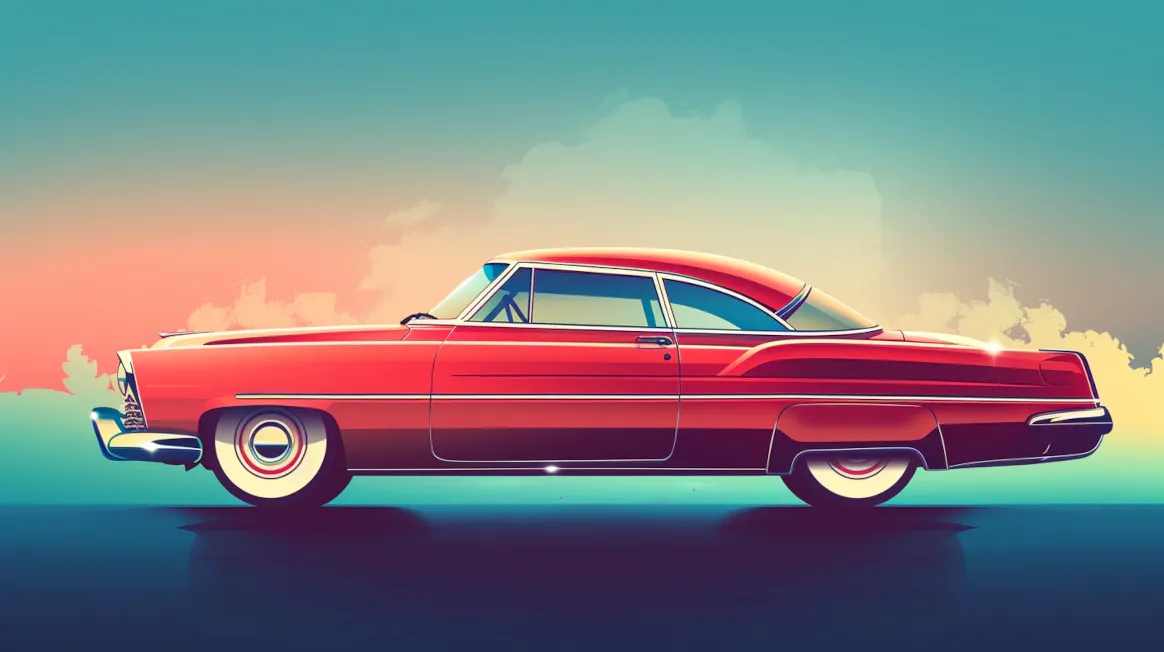
Long before the modern 300 arrived, Chrysler had a performance flagship that set the tone for what the 300 badge would eventually represent. In 1955, Chrysler introduced the C-300. It was a car that stunned the industry with power, stance, and engineering that felt ahead of its time. The C-300 was not a mild cruiser with a pretty badge. It was a serious performer that made a statement every time it moved.
The original C-300 carried a 331 cubic inch HEMI V8 that produced more than 300 horsepower. That output made the C-300 one of the most powerful American production cars of its time. The engine was not just about brute force.
It used hemispherical combustion chambers and strong internal components that gave it a reputation for durability and high performance. The car dominated early NASCAR racing seasons, earning a reputation for speed and engineering precision. It was a true muscle luxury car long before that term existed.
Chrysler followed the C-300 with a series of letter cars, each wearing a letter designation from 1956 through the mid 1960s. Models like the 300B, 300C, and 300F combined big V8 engines, advanced engineering, and upscale interiors. These cars set benchmarks for refinement, power, and prestige. They represented the height of Chrysler’s engineering and design ambitions, and they attracted buyers who wanted both speed and comfort. The letter series helped define Chrysler as a brand that could build serious performance machines without sacrificing style.
Over time, the 300 series faded and the badge disappeared from showrooms. But the memory of those cars stayed with fans and engineers inside the company. When Chrysler revived the 300 name in the modern era, it did not do so casually.
The badge carried history and expectation. The company needed to create something that lived up to its past. That heritage gave the development team both a challenge and a clear target. The reborn 300 had to feel like a worthy successor, not just a recycled nameplate.
The Rebirth of the 300 in 2005
Market Context
The early 2000s were not friendly to large sedans. Buyers were shifting to crossovers and SUVs. Performance sedans were dominated by European brands and a handful of Japanese models. American manufacturers were focused on smaller, more economical designs or traditional front wheel drive full size cars. On paper, there was little indication that a full size rear wheel drive sedan with a bold personality would find success.
Chrysler chose to take a calculated risk. The company saw an opening for a car that felt premium, substantial, and unmistakably American, but did not carry a luxury brand price tag. The goal was to build something that looked and felt special, that could share some components with existing platforms, and that would give the brand a strong identity car again. The result was the 2005 Chrysler 300, a sedan that did not follow trends but created its own lane.
When the 300 reached showrooms, it did so at a time when many buyers were tired of anonymous looking sedans. The market was full of rounded, safe designs that blended into traffic. The 300 presented something entirely different. It looked like a concept car that had somehow made it into production without being softened beyond recognition. It gave buyers a reason to care about a sedan again.
Bold Exterior Design
The 300 was unlike anything else on the road in 2005. Its wide stance, high beltline, chopped roof silhouette, and square shoulders gave it a presence that demanded attention. Designer Ralph Gilles and his team created a shape that blended luxury with aggression. It took inspiration from classic American luxury sedans, but modernized the proportions and details. The result was a car that looked tough, confident, and expensive.
The grille dominated the front fascia and became one of the car’s most recognizable features. The upright proportions gave it presence without relying on excessive creases or gimmicks. The wheels were large and pushed out to the corners.
The hood was long, and the cabin sat rearward, which emphasized the rear wheel drive layout. The roofline was low but not impractical, and the car had a visual weight that made it look planted even when parked.
Customers immediately responded to the styling. The design was fresh, powerful, and distinctive in a way that photographs did not fully capture. In person, the 300 looked like it belonged in a higher price bracket. It was the kind of car that owners enjoyed seeing in their driveway, and that visual reward became part of its appeal. For many buyers, the design alone was enough to put it at the top of their shopping list.
Platform and Engineering
The engineering beneath the design was equally interesting. The LX platform shared components with previous generation Mercedes architecture, a result of Chrysler’s connection to Daimler during that period. This included elements of the suspension, steering system, and transmission designs. The result was a car that felt more refined and composed than many shoppers expected from a domestic manufacturer at the time.
Rear wheel drive allowed for natural handling balance that front wheel drive competitors could not match. The wide track and long wheelbase gave the car stability at highway speeds and a sense of calm over rough pavement.
The chassis had a solid, premium feel that helped the 300 stand out in test drives. Even base models delivered a sense of substance that made the car feel more expensive than it was.
The platform also gave Chrysler room to offer multiple powertrains, from a V6 for buyers focused on comfort and economy to V8 options for those who wanted more muscle. This flexibility allowed the 300 to serve different roles, from fleet car to family sedan to enthusiast platform, without losing its core identity.
Rapid Sales Success
The 300 was an instant hit. It earned major awards and quickly became one of Chrysler’s best selling sedans in decades. It attracted buyers across a wide range of demographics, from older drivers looking for a comfortable cruiser to younger buyers drawn in by the car’s aggressive stance and custom potential. The 300 gave Chrysler something it had lacked for years: a halo car that ordinary buyers could actually afford.
Strong dealer demand and positive media coverage helped build momentum. The car stood out on lots, which made it easier for sales staff to pull customers toward it. Owners were proud to show off their cars, and the 300 gained a word of mouth reputation that advertising alone could not buy.
The rebirth of the 300 was more than a new model launch. It was a statement that bold design and performance still mattered in a segment many people had written off.
Power and Performance Legacy
The HEMI Reputation
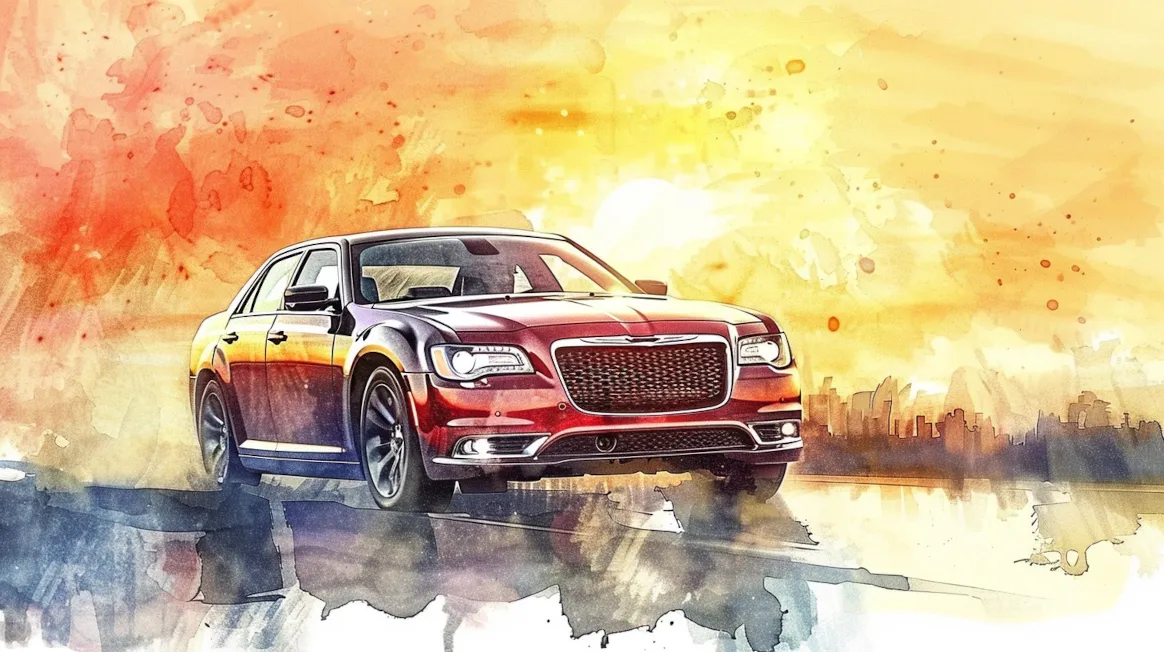
The heart of the 300’s identity was its available V8 HEMI engine. The 5.7L HEMI in the 300C gave the car a level of performance that set it apart from other full size sedans. It produced strong acceleration, a deep exhaust tone, and a personality that matched the bold design. The HEMI engine gave the 300 real muscle, not just the appearance of power.
The HEMI name carried decades of heritage from Chrysler’s performance history. Enthusiasts already associated the name with racing, drag strips, and powerful street cars. Bringing that badge into a modern sedan created an emotional link between the past and the present.
For buyers who grew up around classic muscle cars, the idea of a comfortable, modern sedan with a HEMI under the hood was compelling.
Beyond raw power, the HEMI gave the 300 a flexible character. It could loaf along at low rpm, delivering quiet comfort on the highway, then wake up instantly when the driver asked for more. That dual personality made the car a capable family vehicle during the week and an enjoyable performer on the weekends.
The SRT Era
For enthusiasts, the arrival of the 300 SRT took the car to another level. Early models used a 6.1L HEMI that produced over 420 horsepower. Later versions used a 6.4L HEMI with even stronger numbers, delivering performance that rivaled European sports sedans at a fraction of the cost. The SRT badge gave the 300 a more focused identity within the lineup.
Upgraded brakes with larger rotors and multi piston calipers, firmer suspension tuning, and larger wheels gave the SRT models serious road presence and real capability. The cars were not just powerful in a straight line.
They could handle a winding road with confidence. For many drivers, the 300 SRT represented the perfect combination of muscle sedan and daily driver.
The SRT versions also helped shape the 300’s reputation on the streets and online. Videos of modified SRT models, dyno pulls, and drag strip passes gave the car a presence in enthusiast communities that extended far beyond showroom floors. The SRT era cemented the 300 as a legitimate performance sedan, not just a stylish cruiser.
Rear Wheel Drive Identity
Rear wheel drive was central to the 300’s character from the beginning. While many competitors moved to front wheel drive platforms to reduce cost and improve packaging, Chrysler stayed committed to a layout that improved handling and performance. The driving experience was smooth, balanced, and confident in a way front wheel drive sedans could not match.
Enthusiasts appreciated the way rear wheel drive allowed the car to rotate naturally in corners and put power down effectively off the line. Even for non enthusiasts, the layout contributed to a planted, stable feel that inspired confidence on long highway trips. That sense of stability became part of the 300’s personality.
Fleet and Police Demand
The durability and performance of the platform made the 300 and its close relatives, the Dodge Charger and Dodge Magnum, popular choices for police departments and government fleets. Law enforcement versions used similar chassis and powertrain layouts, which created another layer of credibility. If the platform could handle police duty, it could certainly handle daily commuting and family trips.
Seeing these cars in police livery also shaped how the public viewed them. They looked authoritative and serious. That image fed back into how civilian 300s were perceived, reinforcing the idea that this was a real full size sedan with substance, not just styling.
Luxury and Comfort: The Other Half of the 300’s Identity
Affordable Luxury Positioning
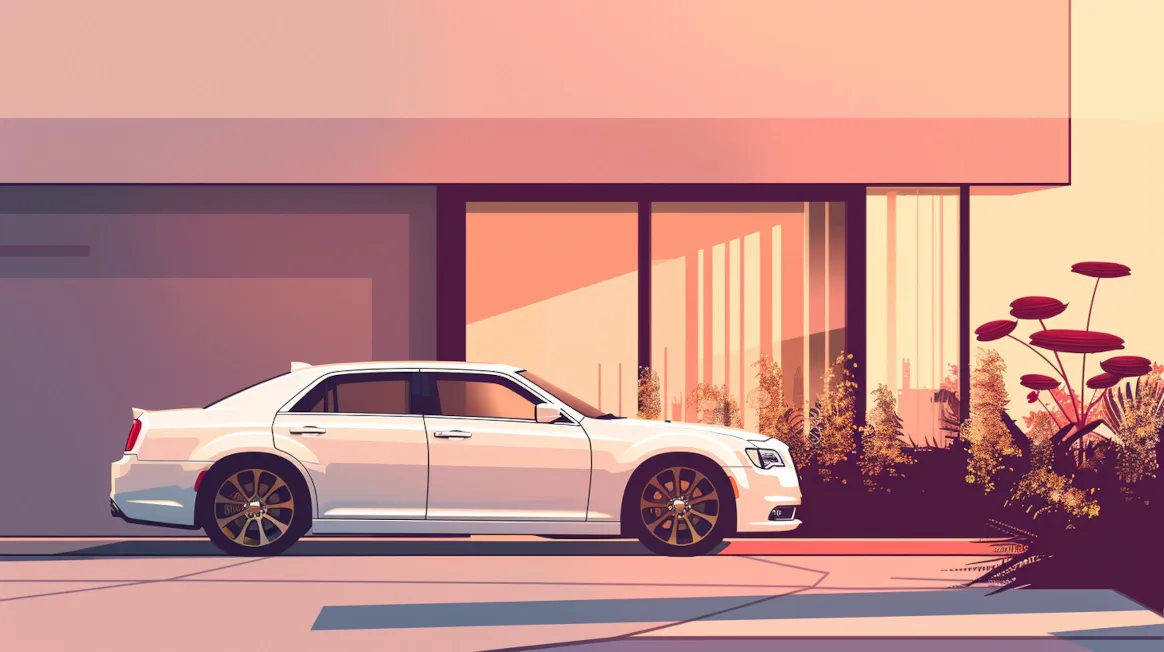
The 300 was not only about performance. It targeted buyers who wanted the comfort of a luxury sedan without luxury brand pricing. That positioning was important. It allowed Chrysler to offer premium features and a distinctive design at a cost that undercut traditional luxury brands. Shoppers could get a car that felt upscale without stepping into a completely different pricing tier.
Upper trims were equipped with leather seating, wood or metallic interior accents, high quality sound systems, and advanced safety technology. The 300C and later high trim models looked and felt like serious luxury cars on the inside. In the right specification, the 300 could stand next to much more expensive imports in terms of comfort and presence.
Interior Space and Comfort
The cabin was large and quiet, which played a major role in the car’s appeal. Adults could sit comfortably in both rows. The trunk offered plenty of space for luggage, groceries, or gear. Ride quality was smooth, especially in non SRT models tuned for comfort. The 300 delivered the kind of easy, relaxed cruising that full size American sedans had been known for in past decades.
Over time, Chrysler improved the interior materials and design. The original 2005 car made a strong impression, but the 2011 refresh took the interior to a higher level. Softer surfaces, better seats, and an updated dashboard layout helped the cabin feel more cohesive and refined. That progression kept the 300 competitive even as rivals improved.
Technology Evolution
Over its lifespan, the 300 gained Chrysler’s Uconnect infotainment system, which became known as one of the most intuitive and user friendly systems on the market. Clear menus, responsive touch controls, and logical organization made it easy for owners to use navigation, media, and phone features without feeling overwhelmed.
The car also added active safety features over time, including available adaptive cruise control, blind spot monitoring, rear cross path detection, and forward collision warning on later models. Premium audio options from brands like Harman Kardon gave the 300 strong appeal for buyers who cared about sound quality. These updates kept the car from feeling outdated in a segment where technology moves quickly.
AWD Availability
All wheel drive became available on select trims, giving the car broader appeal in winter climates. This feature was rare among full size American sedans and added practicality without losing the essence of rear wheel drive handling dynamics. In many all wheel drive versions, the car operated primarily in rear wheel drive until extra traction was needed, which preserved much of the original character.
For buyers in snowy regions, the combination of a spacious full size sedan and available all wheel drive was a compelling alternative to an SUV. It allowed the 300 to serve as a year round family car in places where pure rear wheel drive might have limited its practicality.
Cultural Impact and Pop Influence
Celebrity and Music Appeal
The Chrysler 300 quickly became a cultural icon. It appeared in music videos, celebrity garages, and television shows. Artists and entertainers appreciated the way the 300 looked on camera. Its bold presence translated well to screens, helping it stand out in crowded scenes. Owning a 300 became a way to project a certain image without stepping into a traditional luxury badge.
The car’s presence in hip hop culture and custom scenes helped it reach audiences that might not have otherwise paid attention to a Chrysler sedan. It was often shown lowered on large wheels with dark windows and custom paint or wrap work, which amplified its already strong design.
Customization and Aftermarket Scene
The 300 became a favorite among customizers almost immediately. Large diameter wheels, lowered suspensions, body kits, and unique lighting setups were common. The car’s simple but strong lines responded well to modifications. Owners could change the personality of the car significantly with a few targeted upgrades.
A healthy aftermarket supported performance upgrades as well. Exhaust systems, engine tuning, suspension parts, and brake upgrades were available from a long list of suppliers. That support made it easier for enthusiasts to turn a 300 into a personal project, whether they wanted better track performance or a more aggressive street presence.
The “Baby Bentley” Persona
One of the most recognized nicknames for the 300 was the "Baby Bentley." The resemblance to high end British luxury sedans was strong enough that the 300 gained a status symbol reputation among drivers who appreciated the look but did not want or need the costs associated with a European luxury badge. The 300 delivered a similar visual impact without the same financial commitment.
That nickname was not officially adopted by Chrysler, but it stuck in the public imagination. It captured how people felt about the car. It looked expensive and upscale in a way that few other sedans in its price range could match. That perception added to its appeal and helped it hold attention in a crowded market.
Media Presence
The 300 appeared in films, television shows, commercials, and online content. It became a shorthand visual cue for a certain kind of character or lifestyle. Directors and producers used the car when they wanted something that looked strong and confident without being an obvious exotic or supercar. Its media presence helped reinforce its identity as a modern icon.
The 2011 Refresh and the Second Generation
Design Updates
The second generation 300 arrived in 2011 with a more refined and upscale design. The basic shape remained, but the details were sharpened. The grille and lighting were updated, with more modern projector or LED elements. Body lines were cleaner, and the car gained a more polished appearance without losing its strong stance.
The updated car looked less aggressive than the original at some angles, but more sophisticated. Chrysler aimed to move the 300 slightly upmarket in both styling and content, and the exterior refresh supported that strategy. The car retained its identity, but it also looked more at home alongside newer competitors.
Major Interior Upgrade
The 2011 redesign delivered one of the most important improvements in the car’s history. Chrysler invested in better interior materials, a more premium layout, and improved ergonomics. Soft touch surfaces replaced hard plastics in key areas. The dashboard design became more cohesive and visually appealing. Seats were updated for better comfort and support.
Instrumentation and controls were improved as well. The integration of updated Uconnect systems, better steering wheel controls, and clearer displays helped the 300 feel modern rather than dated. For many shoppers, the interior update addressed the main criticism of early 300 models and made the second generation a more complete product.
Driving Improvements
The refreshed chassis offered smoother handling, more precise steering, and improved efficiency. Suspension tuning was refined to balance comfort and control. Powertrain options expanded and became more efficient, with updated V6 engines that offered better fuel economy while still delivering adequate performance for daily driving.
These improvements made the 300 easier to live with every day without taking away the qualities that fans appreciated. The car still felt substantial and confident. It simply did so with better manners and lower running costs.
Continued Customer Loyalty
Sedan sales were declining everywhere as crossovers took over driveways, yet the 300 maintained steady interest. Customers appreciated its mix of space, style, comfort, and performance. Fleet buyers continued to value its durability and interior volume. Enthusiasts valued its rear wheel drive layout and available V8 power.
The 300 did not chase every trend, and that consistency helped it retain a loyal base. While other sedans came and went, the 300 remained recognizable and familiar. That continuity made it a kind of anchor in Chrysler showrooms, even as the rest of the market shifted.
Final Years: The End of the V8 Rear Wheel Drive Sedan
Market Conditions
The automotive landscape changed dramatically through the 2010s and early 2020s. Crossovers and SUVs dominated sales charts. Sedans shrank in number and variety. Emission regulations tightened, and fuel economy targets became more aggressive. The business case for full size V8 sedans grew more difficult to support, especially for mainstream brands.
At the same time, buyers who might once have purchased a large sedan often chose a midsize or compact crossover instead. Those vehicles offered higher seating positions, flexible interior space, and available all wheel drive in body styles that felt more current. The market that had once sustained cars like the 300 became smaller every year.
The Return of the 300C Final Edition
In 2023, Chrysler gave the 300 a proper final send off. The limited production 300C returned with the 6.4L HEMI V8. Power, sound, and attitude were all present in a package that felt like a tribute to the car’s best qualities. The final 300C featured unique badging, special interior details, and a specification that catered directly to enthusiasts.
Production numbers were limited, and demand was strong. Enthusiasts rushed to secure their models, knowing that this would be one of the last chances to buy a new American V8 sedan with rear wheel drive in this format. The final edition was both a celebration and a farewell.
Production End
When the last Chrysler 300 rolled off the assembly line, it marked the end of an era of American automotive design. Very few rear wheel drive V8 sedans remained available at any price point. The 300’s departure symbolized a larger shift in the industry toward electrification, downsized engines, and crossover body styles.
For fans of traditional sedans, the end of the 300 felt personal. It was not just the loss of a nameplate, but the closing of a chapter in how American cars looked and drove. Many of those fans now look back on the 300 with a mix of nostalgia and appreciation.
Why It Matters
The end of the 300 represented more than the end of a model. It represented the closing chapter of a design philosophy that valued presence, performance, and personality over pure efficiency and conformity. The car stood for a time when a sedan could still be a statement piece.
As the industry moves deeper into electrification and advanced driver assistance technology, the 300 stands out as a reminder that emotional connection and visual drama matter too. It is part of a small group of cars that bridged the gap between the analog muscle era and the digital, high tech age that followed.
The Chrysler 300’s Lasting Legacy
Influence on Modern Sedans
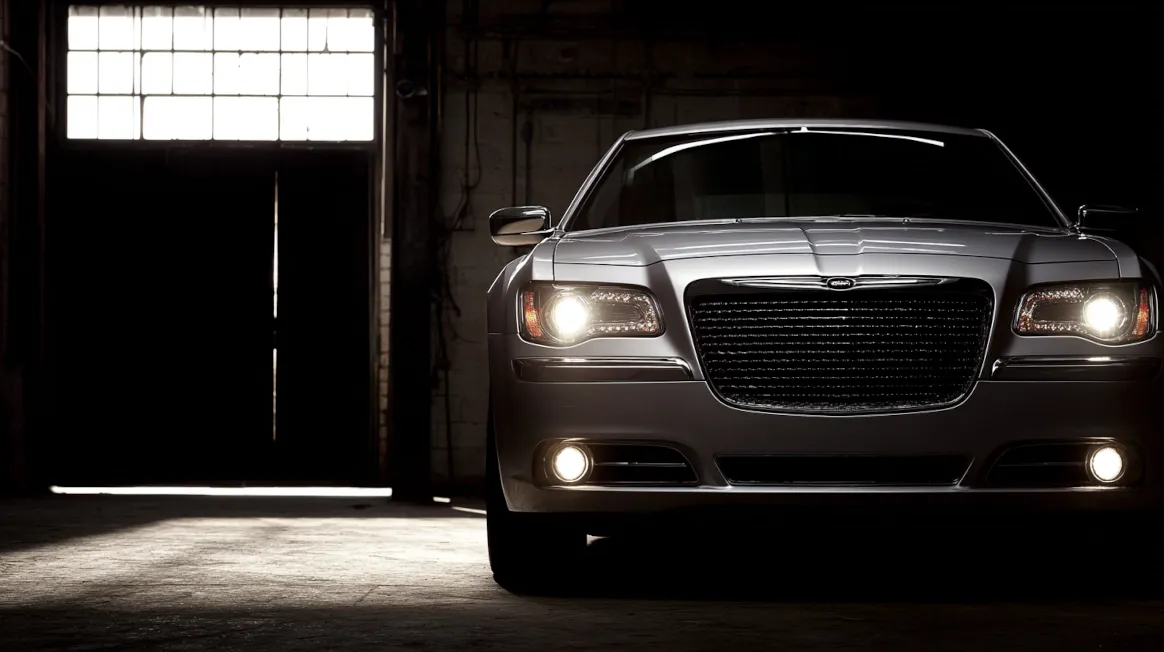
The 300 influenced design trends by proving that bold, upright proportions and strong visual themes could succeed in the market. It pushed competitors to consider more confident styling and reminded manufacturers that customers notice and respond to cars that look different. It also demonstrated that there was still room for rear wheel drive architecture in a market dominated by front wheel drive platforms.
The car’s success helped support the case for related models like the Dodge Charger and Challenger, which shared elements of its platform and powertrain lineup. In that way, the 300 played a role in sustaining an entire family of rear wheel drive cars for far longer than many industry observers expected.
Collectibility
V8 models, especially the final edition 300C, are already becoming sought after by collectors. Low mileage examples and well kept SRT or 300C HEMI cars attract strong interest from enthusiasts who recognize their significance. The combination of limited production, strong performance, and a clear historical context gives these models real long term appeal.
Even non SRT V8 cars and clean V6 models with desirable options have a following. Owners appreciate their comfort, style, and durability. As time passes and fewer clean examples remain, the best cars are likely to gain even more attention from enthusiasts who want to own a piece of modern American sedan history.
Role in Chrysler’s Identity
For nearly twenty years, the 300 defined Chrysler’s brand character. It showed what the company could accomplish when it embraced bold design and confident engineering. At times, the 300 felt like the anchor of the lineup, a car that carried the brand’s image even when other models changed or disappeared.
Chrysler used the 300 to communicate its vision of attainable luxury and performance. Advertising, showroom presence, and owner enthusiasm all reinforced that message. Even people who never bought a 300 often remembered it as the Chrysler that stood out.
Why Enthusiasts Still Love It
The 300 offers something rare: a blend of muscle and luxury, presence and comfort, tradition and modernity. It stands alone in a segment that no longer exists. Enthusiasts love the way it looks, the way it sounds in V8 form, and the way it feels on the road. They appreciate that it does not blend in.
Even as the market moves toward quieter, more efficient, and more anonymous vehicles, the 300 continues to draw attention at car meets, on the highway, and in online communities. It occupies a unique place in the automotive landscape, and that uniqueness is a big part of its enduring appeal.
Conclusion
The Chrysler 300 was not just another sedan. It was the last of its kind in many respects. It blended heritage with modern engineering, performance with comfort, and attitude with refinement. It carved out a place in car culture that few other modern sedans achieved. Its end marks a shift in the industry, but its legacy remains strong.
Looking back on the Chrysler 300 is a reminder of what American automotive design once celebrated. It is also a reminder that some cars leave an impression far beyond their time on the road. The 300 was bold. It was confident. It was unmistakably American. And it will be remembered as one of the greats.

About World Parts Direct
World Parts Direct is your online source for genuine OEM GM and Mopar parts and accessories. We sell the same factory backed parts you would find at your local dealership, backed by a low price and right part guarantee. When you order by VIN, our parts experts verify fitment before your order ships, so you can install with confidence.
Whether you are maintaining a Chrysler 300, keeping a daily driver on the road, or restoring a project car, choosing OEM components helps protect performance, safety, and long term reliability. You can browse our full catalog of factory parts and accessories at WorldPartsDirect.com.