
OEM vs Aftermarket Parts: The Ultimate 2025 Guide to Smart, Safe, and Cost-Effective Repairs
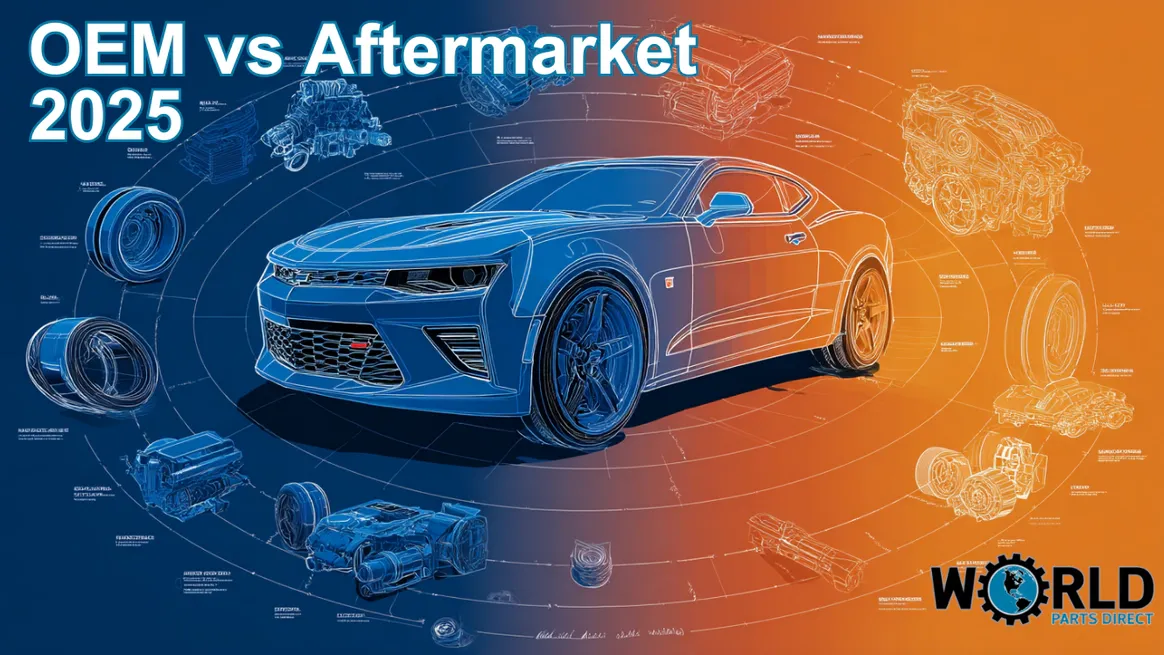
OEM vs Aftermarket Parts
The Ultimate Guide for 2025 and Beyond
OEM vs Aftermarket Parts 2025 is not a simple either or. It is a set of tradeoffs that change with part type, vehicle technology, and your goals. Price and trust sit at the center. Many drivers pay more for factory consistency. Others favor aftermarket choice and value. The right call depends on what you are fixing and why.
OEM parts match the original build and bring predictable fit and warranty support. Aftermarket parts range from budget replacements to genuine upgrades. As of 2025 the smart approach is to match the part decision to safety systems, calibration needs, and your long term plans for the vehicle.
Key comparison points. OEM means consistent fit, integrated performance, and stronger warranty alignment. Aftermarket means lower cost, broader availability, and sometimes better performance. Choose OEM for safety critical parts and complex electronics. Choose aftermarket for maintenance wear parts and performance tuning when you know the brand and spec.
Why OEM vs Aftermarket Matters in 2025
Over the past decade vehicles picked up layers of electronics, sensors, and software. You now have ADAS cameras watching lane lines, radar tucked behind bumper covers, and modules that expect exact component behavior.
That means a headlight or a bumper is no longer just a shell. It is part of a calibrated system. Fit and materials affect safety and warranty decisions, and a misaligned part can ripple into fault codes and failed calibrations.
Supply chains are steadier than the worst of the post 2020 period, yet backorders still show up for niche OEM components. Aftermarket distribution often fills those gaps, especially for wear items and popular models.
The debate comes down to peace of mind versus price. Many readers hear the same line at parts counters. Pay more for OEM and avoid guesswork. Save with aftermarket but choose brands carefully since quality varies by maker and by part category.
Community impact matters. A vehicle repaired with proper crash parts and working sensors protects everyone at the next intersection. Shops talk about how panel gaps and weld strength change crash outcomes. Families care about resale value when trading in a vehicle with documented OEM repairs versus an unknown mix of parts. People often say the car should feel right when you pull out of the lot. That feeling traces back to part selection, fit, and calibration.
OEM vs Aftermarket Parts 2025: Key Differences at a Glance
- Fit and tolerances. OEM generally delivers consistent fit. Aftermarket ranges from precise to imperfect depending on brand and tooling.
- Warranty alignment. OEM parts usually tie in cleanly with manufacturer coverage. Aftermarket can be fine yet invites extra questions and documentation.
- Price and availability. Aftermarket typically costs less and ships faster. OEM can be pricier with occasional lead times.
- Safety systems. OEM is the default for crash parts and ADAS components. Aftermarket works well for maintenance parts when you choose reputable makers.
What OEM Means and When It’s Recommended
OEM stands for original equipment manufacturer. The part matches factory specifications and arrives through a dealership or an authorized channel. Drivers pick OEM when the goal is to restore the vehicle to pre incident condition and preserve warranty and resale value. That choice reduces installation guesswork and usually leads to fewer returns.
OEM shines for crash components and electronics. Structural panels, airbag related trim, headlight assemblies with integrated control units, and sensors that feed ADAS should stay OEM to maintain tested safety behavior. Service advisors and collision specialists often recommend OEM for those categories due to fit consistency and documented standards.
Short micro scenario. A bumper cover looks cosmetic until the shop attempts radar calibration behind it. The aftermarket cover clips fine but the internal mount geometry sits a few millimeters off. The radar refuses to calibrate. The shop switches to OEM, runs the procedure, and the lane assist chime finally quiets. That small difference matters on the highway.
What Aftermarket Means and Where It Excels
Aftermarket means the part is made by a company other than the automaker. The best aftermarket brands engineer to meet or surpass OEM targets. The appeal is clear. Lower price, more choices, and often faster delivery. Many technicians like aftermarket for routine wear items such as filters, brake pads, and belts. Enthusiasts use aftermarket to tailor performance beyond factory intent.
Quality is the wild card and the reason research pays off. A trusted maker can outperform OEM on rotors, pads, or shocks designed for spirited driving. A bargain version can fit poorly, wear fast, or trigger error lights.
The difference shows up in materials, coatings, and how tightly the manufacturer holds tolerances. Reading reviews, checking certifications, and choosing proven brands helps people get the upside of aftermarket without the drama.
The forum summary still rings true. Some aftermarket is outstanding. Some is barely acceptable. Match the brand to the part type and your use case, and document the work to keep warranty and insurance conversations smooth.
Remanufactured, Reconditioned, and Recycled Parts Explained
- Remanufactured. A used component is fully rebuilt to a defined standard with worn elements replaced. Common for alternators, starters, and transmissions. Reman parts can be high value if the rebuilder follows strict procedures.
- Reconditioned. A part receives repairs and cosmetic work without full rebuild. Fit and life can vary. Good for non safety trim or wheels when budget is tight.
- Recycled. A salvage yard OEM piece pulled from a donor vehicle. Often great for trim and interior items. For safety parts and sensors use caution and plan for calibration.
Quality, Fitment, and Performance
Quality shows up the moment a tech lifts the part from the box. Edges feel crisp. Coatings look even. Mount holes align with zero play. This is where OEM’s consistency earns its reputation. Top tier aftermarket can match that feeling.
Budget versions sometimes require slotting or shimming, and those hacks add time and risk. Real world testing depends on the part domain. Brakes and filters are straightforward. Sensors and modules require clean signal behavior and software expectations.
People often hear the phrase fit equals function. That sounds simple until a fender shifts a seam a few millimeters and changes wind noise or panel stress. Shops will run their hands along the gaps and listen for squeaks on a road test.
Quality leaves sensory clues. A door closes with a reassuring thump. Headlights cast a sharp cutoff line with no flicker. That is not magic. That is tooling accuracy and the right materials.
Manufacturing Tolerances and Fitment Consistency
OEM parts reflect the same drawings and tolerances used at the factory. That means predictable fit and less time fighting alignment. Collision centers emphasize how this consistency improves structural repair and helps ADAS calibration succeed on the first pass.
Aftermarket fitment depends on the brand and on whether the maker captured the latest superseded geometry. The same supplier might produce both OEM and aftermarket versions that look similar but differ in tolerances and coatings.
Drivers feel this difference during installation. OEM usually clicks into place. Good aftermarket does too. Lower tier versions introduce elongated holes, burrs, or uneven edges that require adjustment. Those minutes add labor cost and can hide small compromises that show up as wind noise or vibration later, which is why many shops reserve aftermarket for parts where tolerance windows are wider, such as filters and pads.
Material Quality, Coatings, and Corrosion Resistance
Material choices control heat, wear, and corrosion. OEM crash panels often use specified steels or aluminum grades paired with factory level e coat and sealants. Aftermarket ranges from high quality galvanization and powder coat to thin paint that chips fast. Brake rotors show this clearly. Premium aftermarket rotors use better metallurgy and anti rust coatings. Budget versions rust at the hat quickly.
On exposed components such as control arms and brackets, coatings protect against salt and moisture. The difference is visible. Even color, clean edges, no pinholes. Shops care because corrosion shortens life and weakens structural parts.
Aftermarket brands that publish material specs and coating processes build trust. Parts that refuse to share this detail invite suspicion. Surprising. The finish tells a long term story.
Real-World Performance and Testing Data
Factory parts carry validation from crash testing and system level integration. That confidence matters where airbags, sensors, and crumple behavior are involved. For maintenance parts, many aftermarket makers test to meet or exceed OEM targets, and driver reports often show equal or better performance for pads, filters, and belts.
For electronics and ADAS sensors, successful calibration and error free operation are the test. OEM has the advantage due to software expectations. Aftermarket modules can work well but need careful programming and documentation.
There is a human reality behind the data. People want a car that feels sorted. No warning lights. No odd shudder under braking. When parts deliver that experience, trust grows. When they do not, buyers swear off the brand for years. That feedback loop shapes quality over time.
Cost and Total Cost of Ownership
Sticker price is only the first line in the ledger. Installation time, returns, calibration sessions, and resale value add up. OEM often costs more at the counter yet reduces rework on safety parts and electronics. Aftermarket typically saves upfront and ships quickly. Long term costs depend on reliability and on how the market values repair documentation when you sell the vehicle.
Upfront Price Comparison by Common Part Categories
| Part category | OEM typical price range USD | Aftermarket typical price range USD |
|---|---|---|
| Air filter | 25 to 45 | 12 to 30 |
| Brake pads front set | 120 to 250 | 60 to 200 |
| Alternator | 450 to 900 | 280 to 700 |
| Bumper cover painted | 600 to 1,200 | 350 to 800 |
| Windshield | 500 to 1,100 | 300 to 800 |
Installation Time, Returns, and Hidden Costs
- Fit issues consume shop time. A forty minute install can stretch past an hour when holes do not align. That hidden cost erodes upfront savings.
- Calibration sessions add billable hours. ADAS camera or radar alignment can require road or shop procedures. OEM geometry helps those complete successfully.
- Returns delay repairs. Aftermarket parts ship fast, yet a mismatch still stalls the job and creates downtime. Clear documentation reduces approval friction.
- Quality differences change life. Better materials and coatings reduce early failures, squeaks, and rust. That saves money over years.
Long-Term Reliability, Resale Value, and Depreciation
Reliability shows up in fewer faults and less noise. OEM tends to keep the vehicle in its original performance envelope, which buyers value. Documented OEM repairs can lift resale due to perceived quality and safety alignment.
Aftermarket works well for maintenance and upgrades, yet inconsistent brands and unverified crash parts can raise buyer questions. Sellers with thorough repair records and clear part choices fare better at trade in.
Depreciation curves reflect trust. A vehicle that drives quietly, tracks straight, and shows no warning lamps brings stronger offers. Part selection helps create that experience. People often accept aftermarket maintenance items when the brand and spec are known, and they prefer OEM for body and safety parts. That mix keeps costs fair while protecting value.
Warranty, Insurance, and Legal Considerations in the U.S.
Warranty and insurance are about documentation and burden of proof. Dealers cannot void coverage simply because a vehicle has aftermarket parts. They can question whether a specific part caused a failure. That is where receipts, brand details, and installation notes matter. Insurance claim approvals hinge on policy terms and repair program rules. Understanding these rules before the repair prevents surprises.
Manufacturer Warranties and the Magnuson-Moss Act
The widely cited standard says manufacturers cannot refuse warranty work solely due to the presence of aftermarket parts. The dispute turns on causation. If a non OEM part caused the problem, coverage can be denied. Clear records help owners show proper part choice and installation, which lowers friction with service departments.
Best practices. Keep invoices that show the exact part number and brand. Note dates and mileage. Save calibration printouts for sensors. That paper trail makes warranty conversations easier and more objective.
Insurance Claims, DRP Policies, and Claim Approvals
Insurers often use direct repair program shops and may specify aftermarket or recycled parts for cost control. You can request OEM, though approvals depend on policy language, vehicle age, and safety implications. When ADAS or crash behavior is involved, many shops and owners push for OEM on those items to meet tested standards and avoid calibration issues.
Document all work. Photos before and after, part invoices, and alignment or calibration reports ease claim review. Your adjuster will thank you for clean records and clear choices.
State Right-to-Repair, Emissions, and Compliance Rules
Right to repair movements support access to parts, data, and tools. Emissions rules vary and can affect exhaust and sensor replacement choices. Aftermarket parts meant for off road use can violate street regulations. Verify local rules before modifying emissions related parts. Needs confirmation for specific state variations.
Safety, Crash Parts, and Certification Standards
Crash parts carry safety outcomes that affect everyone on the road. A bumper beam, fender, or hood changes how energy travels during a collision. Certification programs exist to help buyers pick non OEM parts tested for fit and materials. Shops put safety first and often recommend OEM for structural pieces and any component that interacts with airbag timing or sensor placement.
CAPA and NSF Certification for Crash and Structural Parts
CAPA and similar certifications aim to validate aftermarket crash parts for fit, material, and coatings. A certified part increases confidence that dimensions match factory intent. This is useful when OEM availability falters or budget requires an alternative. Certification does not convert a part into OEM. It signals testing and traceability that beat unknown sources.
ADAS Sensors, Calibration, and Safety Implications
Advanced driver assistance systems depend on precise mounts and clear sight lines. Cameras need exact windshield geometry. Radar needs correct angle and depth behind bumper covers.
A small deviation can cause drift, false alerts, or failed calibration. OEM wins here because the system was validated around those parts. Aftermarket can work if the maker matches geometry and your shop runs proper calibration with documented results.
Counterfeit and Gray-Market Risks to Avoid
Ultra cheap parts from unknown sellers can carry counterfeit branding or poor materials. People see tempting prices on marketplaces and find out later that coatings flake, connectors do not match, or the part triggers fault codes.
Reputable retailers and brand direct channels reduce this risk. Look for consistent packaging, serial numbers, and clear warranty terms. When a price seems too good, it often hides a quality problem.
Availability, Supply Chain, and Buying Channels in 2025
Dealership counters, online marketplaces, and local parts stores each solve a different problem. Dealerships deliver OEM fit and warranty clarity with staff who can navigate superseded part numbers. Online marketplaces bring choice, reviews, and fast shipping. Local stores offer same day pickup and face to face support. The right channel depends on urgency, part type, and your comfort with brand research.
Dealership Counters vs Online Marketplaces vs Local Stores
- Dealership counters. Strong for OEM and complex parts. Staff can check VIN specific fit and update supersessions. Often higher pricing but fewer surprises.
- Online marketplaces. Great for choice and speed. Research the brand and seller. Read reviews with photos. Watch for counterfeit risk on popular items.
- Local parts stores. Helpful for maintenance parts and tools. Staff can show parts in person and help match connectors and gaskets. Returns are straightforward.
Backorders, Lead Times, and Post-2020 Disruptions
Some OEM parts still go to backorder, especially for older or low volume models. Drivers share stories of waiting weeks for a trim piece, only to receive the wrong item at the end. That pain pushed many toward reputable aftermarket for practical categories. As of 2025 lead times have improved, yet planning ahead and verifying part numbers remains smart. A quiet call to the counter can save days.
Return Policies, Core Charges, and Verification Steps
- Check return windows and restocking rules before purchase. Some electronics are not returnable after opening.
- Core charges apply to reman components. Bring the old part back to recover the fee. Save receipts.
- Verify VIN and build date. Confirm options such as adaptive headlights or tow packages that affect part fit. This step prevents mismatches.
- Unbox and compare before disassembly. Spot connector shapes, mounting points, and gasket patterns early to avoid downtime.
Technology Trends Shaping 2025 and Beyond
Modern vehicles blur mechanical and digital boundaries. The parts market follows. You now face EV thermal loops, camera alignment targets, and software coded part numbers. Catalogs are more detailed. Boxes carry QR codes that trace batches. Shops lean on digital tools to pair a part to a VIN and to program modules after install. Those trends push buyers toward precise parts and clear documentation.
EV Components, Battery Cooling, and Thermal Management
EVs rely on pumps, valves, radiators, and cold plates that keep batteries and inverters within tight thermal windows. OEM parts maintain the mapped flow and pressure behavior the software expects. Aftermarket EV components exist and can be high quality, yet they must match thermal performance and materials to avoid reduced range or accelerated wear. For EV cooling and high voltage components, OEM or OE equivalent is recommended.
ADAS, Telematics, and VIN-Specific Programming
Modules increasingly need programming after installation. Telematics units, body control modules, and headlight control units may bind to the VIN and require updates. OEM parts integrate cleanly with service tools.
Aftermarket electronics can work well but add complexity in software steps. Shops run calibration with targets and scan tools to verify proper operation. Documentation protects warranty and insurance claims.
3D Printing, Digital Catalogs, and Parts Traceability
Digital catalogs map part changes over time to avoid fit errors. Traceability programs track batches and materials to improve recalls and quality. 3D printing appears in clips and trim for low stress applications. The larger story is data. Better catalogs reduce mismatch. QR codes capture authenticity and certification. Buyers who keep those data points in their records find ownership easier.
Use Cases: When to Choose OEM vs Aftermarket by Part Type
Smart selection beats one size fits all. Think by category and by risk. A sensor that feeds safety systems carries more consequence than a cabin filter. A bumper beam affects crash energy. A performance shock changes feel and control. The best route is to pick OEM where safety and calibration dominate and to pick trusted aftermarket where maintenance and tuning deliver value and choice.
Collision and Body Panels, Lighting, and Glass
- Structural panels and bumper beams. Choose OEM or certified crash parts. Fit and material behavior matter during impact.
- Lighting assemblies with control modules. OEM recommended due to software and beam pattern consistency. Aftermarket can work when brand quality is high and the assembly is certified.
- Windshields with ADAS cameras. OEM glass or exact equivalent helps calibration succeed and reduces distortion. Plan for calibration after install.
Maintenance Wear Items: Brakes, Filters, Belts, and Sensors
- Brake pads and rotors. Trusted aftermarket often excels and offers performance options beyond OEM. Confirm noise and dust claims with reviews.
- Air, cabin, and oil filters. Aftermarket is strong. Pick brands with published filtration specs.
- Belts and hoses. Aftermarket works when materials and heat ratings match OEM. Inspect for correct length and profile.
- Basic sensors like oxygen or wheel speed. OEM or OE equivalent reduces fault codes. Aftermarket sensors can work well when brand is proven.
Performance and Customization: Exhaust, Suspension, and Tuning
Performance parts are where aftermarket shines. Quality shocks, springs, and sway bars tune handling to your taste. Exhaust systems change sound and flow.
Be mindful of emissions rules and warranty posture. Reputable brands publish dyno charts and materials. Installation should include alignment and torque checks, followed by a road test to feel for vibration and clearance.
Brand and Supplier Comparisons
Tier one suppliers often make the factory part and an aftermarket version. The OE boxed part pairs that quality with automaker validation. The aftermarket boxed version may share the same core or use a slightly different spec to hit a price. Buyers who learn which brands supply the factory gain leverage. It becomes easier to spot OE equivalent parts that match behavior without the full OEM markup.
Reputable Aftermarket Brands and What Sets Them Apart
- Clear specifications and test data. Trusted brands share materials, tolerances, and certifications.
- Consistent packaging and serial control. Traceability signals authenticity and quality control.
- Strong warranty and accessible support. Real warranty terms and responsive help desks build confidence.
Tier-1 OEM Suppliers and OE-Equivalent Parts
Many factory parts come from suppliers who also sell into the aftermarket. OE equivalent parts mirror the factory spec and often fit and perform the same, minus the automaker logo.
The trick is cross referencing supplier part numbers to match the geometry and materials. Shops use this route when an OEM box is backordered or priced out of reach while needing factory level behavior.
Part Numbers, Supersessions, and Cross-Referencing
- Check for superseded numbers. Automakers update parts over time. The latest number often fixes an earlier issue.
- Use VIN based catalogs. VIN filters confirm options like tow packages, adaptive lights, or trim codes.
- Cross reference OE to supplier numbers. This reveals OE equivalents with the same form and function.
- Verify connectors and mounts visually. Compare photos and diagrams before ordering to avoid mismatches.
Step-by-Step Buying Guide for U.S. Drivers
This checklist focuses your decision and keeps paperwork tidy. It saves time with service advisors and adjusters. It also lowers the risk of fit issues and returns.
Identify the Exact Part: VIN, Build Date, and Options
- Collect your VIN and build date. Open the door jamb label and write it down. Outcome: Catalog filters match your exact vehicle.
- List installed options such as adaptive headlights, tow package, or performance trim. Outcome: Parts match connectors and mounts.
- Look up current part numbers including supersessions. Outcome: You avoid outdated parts that cause fit errors.
- Compare diagrams and photos before purchase. Outcome: Visual checks confirm geometry and connector shapes.
Vet the Seller: Reviews, Certifications, and Warranties
- Read detailed reviews that include installation notes and photos. Outcome: You learn about fit and finish from real users.
- Check certifications for crash parts such as CAPA. Outcome: Confidence in dimensions and coatings.
- Confirm warranty terms and return windows. Outcome: You protect your budget if issues arise.
- Avoid suspiciously low prices from unknown sellers. Outcome: Reduced risk of counterfeit parts.
Install, Calibrate, and Document for Warranty and Insurance
- Unbox and compare the new part to the old part. Outcome: Fit issues are caught early.
- Follow torque specs and alignment steps. Outcome: Reliable operation with less noise and wear.
- Run required calibrations. Outcome: ADAS and modules behave correctly and log no faults.
- Save invoices, calibration printouts, and photos. Outcome: Warranty and insurance discussions stay smooth.
Conclusion and Recommendations
The best takeaway is simple. Match the part choice to the job. Safety and calibration heavy repairs lean OEM. Maintenance and performance breathe well in proven aftermarket. Documentation protects your wallet across warranty and insurance conversations. People want a car that feels right. That feeling comes from fit, material quality, and clean calibrations. OEM vs Aftermarket Parts 2025 decisions should support that outcome.
Quick Recommendations by Scenario and Part Type
- Crash panels, bumpers, airbag related trim. Pick OEM or certified crash parts. Calibrations complete faster and crash behavior remains predictable.
- Windshield and lighting assemblies with modules. Favor OEM or OE equivalent. Plan for calibration and save reports.
- Brakes, filters, belts. Choose trusted aftermarket with published specs and strong reviews. You get value without drama.
- Performance upgrades. Use reputable aftermarket and confirm legality for street use. Align and document the work.

About World Parts Direct
World Parts Direct is your go-to source for genuine OEM parts for GM and MOPAR vehicles. We make it easy to order factory-original parts online — shipped fast, accurately, and backed by real human support.
Every item we sell comes brand new in the manufacturer’s original packaging. Whether you’re handling routine maintenance, collision repair, or a full restoration, our parts professionals provide VIN-verified fitment support to ensure you get exactly what you need.
Serving drivers and repair shops worldwide, we proudly support brands like Chevrolet, GMC, Cadillac, Buick, Dodge, Chrysler, Jeep, and Ram. Shop confidently at WorldPartsDirect.com.