
Pontiac: The Brand That Refused to Fade

Pontiac: The Brand That Refused to Fade
Introduction: The Spirit of Pontiac
Pontiac was never supposed to be a legend. It was not GM’s flagship luxury badge, and it was not the high-volume budget line either. Instead, Pontiac carved a unique identity across nearly nine decades by doing something deceptively simple: putting excitement into everyday cars.
From the first Wide Track cruisers of the late 1950s to the roaring Trans Am muscle machines of the 1970s to the supercharged V6 sedans of the 1990s, Pontiac consistently tapped into the emotional side of driving. These cars were not just meant to get you to work or haul groceries. They were designed to make you smile while doing it.
That is why even today more than 15 years after the final Pontiac rolled off the line the brand still commands loyalty. Auctions feature low mileage survivors. Restomod shops turn vintage Firebirds into thousand horsepower icons. Enthusiasts continue to defend Pontiac as the automotive world’s greatest people’s performance brand.
This is the story of how Pontiac rose, how it fell, and why the legend still matters long after the factory stopped building the dream.
TLDR: Key Takeaways About Pontiac
Pontiac launched in 1926 as an affordable GM brand and quickly became known for style and performance
The GTO kicked off the muscle car era in the 1960s and helped define Pontiac’s rebellious identity
Icons like the Firebird and Trans Am turned the brand into a pop culture powerhouse
Innovation brought unique cars such as the Fiero and highly practical Aztek, even if they were risky ideas
Supercharged sedans and late era models like the G8 and Solstice proved Pontiac still had talent
Quality issues, brand overlap inside GM, and unclear identity weakened Pontiac’s long term position
The 2008 financial crisis forced GM to shut down several brands including Pontiac
Pontiac’s spirit lives on today through collectors, restomods, and the lasting love of enthusiasts
Although production ended in 2010, Pontiac’s legacy continues as one of America’s most memorable performance brands
How Pontiac Started: A Brand Built on Innovation
Pontiac’s origins go back to a time when automobiles were transitioning from status symbols to mass market necessities. In 1926, the Pontiac nameplate launched as an affordable companion brand to Oakland, another GM division. Its early lineup consisted of reliable six cylinder cars priced for everyday buyers.
Pontiac quickly became a sales hit. By 1933, it was outperforming Oakland so significantly that GM shuttered Oakland entirely and kept Pontiac as the core brand. Drivers wanted a car that balanced practicality with presence.
The true transformation arrived in the late 1950s. Under Semon “Bunkie” Knudsen and performance engineer John DeLorean, Pontiac shifted from a conservative family brand into one centered on speed, style, and swagger. Their philosophy was simple: “We build excitement.”
Wide Track engineering literally widened the stance of the car. The result was better handling and a confident muscular appearance. With that shift Pontiac became the GM division that sparked emotion and youthful energy.
The Glory Days: When Pontiac Defined American Performance
A) The Birth of the Muscle Car
The GTO changed everything. In 1964, Pontiac engineers installed a 389 cubic inch V8 into the mid size Tempest and marketed it as an option package to quietly bypass GM engine rules. What hit showroom floors was fast, affordable, and styled to look like trouble.
Magazines loved it. Enthusiasts worshiped it. The competition scrambled. By 1966, the GTO was more than a car. It was a movement. It proved that big performance did not need a big budget. It just needed attitude.
B) Firebird and Trans Am: Icons of Attitude
The Firebird arrived in 1967 as Camaro’s wilder sibling. Sharper lines, stronger personality, and a focus on performance made it Pontiac’s new symbol of rebellion.
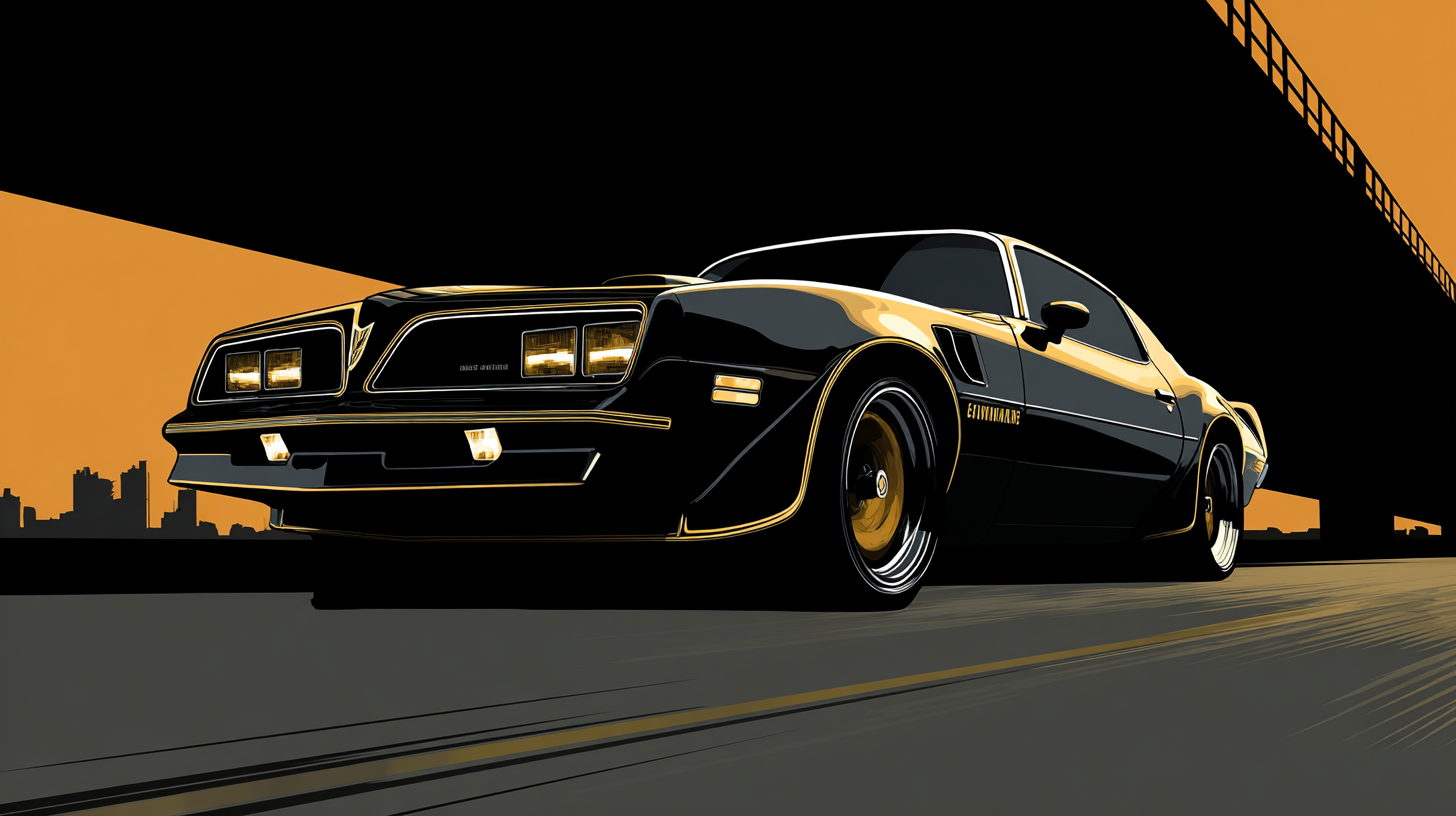
Then came the Trans Am in 1969. Shaker hoods, V8 muscle, and that famous Screaming Chicken graphic pushed the brand’s identity into pop culture. When the 1977 Trans Am starred in “Smokey and the Bandit,” sales exploded. It became one of the most recognizable machines in automotive history.
C) Full Size Legends
Performance was not limited to coupes. The Bonneville and Grand Prix delivered power with comfort and style. These models gave Pontiac a niche: not quite luxury and not just mainstream but something in between that felt bold without being expensive.
Big torque, unique interiors, and strong personality helped turn ordinary family drivers into lifelong Pontiac fans.
Innovation and Oddballs: When Pontiac Took Risks
Pontiac earned its reputation by pushing boundaries, and sometimes that meant creating cars that were ahead of their time or misunderstood in the moment. These models did not always succeed, but they showed a willingness to experiment that most brands would not dare to attempt.
A) The Fiero: America’s Mid Engine Rebel
In 1984, Pontiac shocked the market with the Fiero, the first mass produced American mid engine sports car. It looked exotic and promised fuel efficiency through a lightweight design. Early models used a modest four cylinder engine, which frustrated buyers expecting sports car speed. Worse, early production issues led to overheating and rare but very public engine fires.
What people forget is that the later GT versions were excellent. The final 1988 Fiero included a redesigned suspension and a V6 that finally delivered real performance. By the time Pontiac perfected the formula, the decision to end production had already been made. The Fiero died just as it became the car it was meant to be.
Today, clean Fieros are cult classics because enthusiasts see the genius behind the flaws.
B) Turbo Technology and High Tech Experiments
During the late 1980s and early 1990s Pontiac pushed electronic features and turbo power. The most memorable example was the Turbo Grand Prix, especially the Indy 500 pace car edition, which featured a turbocharged 3.1 liter V6 and advanced electronics for its time.
These cars showed that Pontiac wanted to be more than just muscle. They were trying to take performance into the future with technology.
C) Aztek: Better Than the Memes
The Aztek arrived in 2001 and quickly became known for its polarizing design. Critics mocked its looks, calling it one of the ugliest cars ever made. Underneath the styling, however, was one of the most practical adventure vehicles on the market. Removable coolers, optional all wheel drive, a tailgate tent, flat folding floors, and a camper style interior made it incredibly useful.
Years later, the Aztek has gained a second life in pop culture and appreciation among fans who admire its function over fashion approach. It was different, and Pontiac never shied away from taking those risks.
The Modern Era: Hits, Misses, and Identity Drift
As the 1990s rolled into the 2000s, Pontiac was still trying to live up to its performance heritage but struggled to define what the brand should be. The market was changing, and Pontiac was caught between nostalgia and modernization.
A) Supercharged Sedans and Late Muscle Moments
Pontiac still knew how to deliver speed at a price everyday drivers could afford. The Grand Prix GTP with its supercharged 3800 V6 became a street favorite. The Bonneville SSEi offered luxury and performance in a large sedan. Both cars delivered strong torque and the kind of highway passing power that gained loyal fans.
Meanwhile, the Firebird Trans Am WS6 package represented peak late era muscle. Ram Air scoops, 300 horsepower, and aggressive styling made it a fitting final act for Pontiac’s V8 heritage before production ended in 2002.
B) Volume Sellers and the Cost of Compromise
The Grand Am and Sunfire sold in large numbers, especially to younger buyers and first time owners. They were affordable and had sporty styling cues, but cost cutting and cheaper interiors began to hurt the brand’s reputation. Pontiac wanted aggressive designs, but sometimes the execution felt more plastic than performance.
This era is where the brand’s identity began to drift. Was Pontiac for thrill seekers or everyday commuters Trying to be both often weakened the result.
C) Limited Editions and Revival Attempts
Pontiac tried to recapture its legendary status with special models. The GTO returned from 2004 to 2006 using Australian Holden engineering. It performed well and handled beautifully, but its understated styling disappointed buyers expecting a visual throwback to the original 1960s icon.
On the other hand, the G8 sedan from 2008 delivered everything Pontiac stood for. Rear wheel drive, available V8 power, and strong road manners made it one of the best performance sedans in its price class. Enthusiasts still celebrate the G8 as proof that Pontiac had not lost its touch.
Unfortunately, the timing could not have been worse.
What Pontiac Did Right
Pontiac succeeded by offering the one thing people always crave from their cars: fun. Even when budgets were tight and market pressures grew, Pontiac tried to deliver excitement in ways regular drivers could access.
A) Affordable Performance for Real People
Pontiac’s greatest strength was its ability to bring speed and style to everyday buyers. The GTO, Firebird, Grand Prix GTP, and G8 all offered performance without premium pricing. Enthusiasts felt like they were getting something special without needing a luxury budget.
B) Bold Personality and Strong Design Identity
Pontiac cars were rarely quiet. Wide Track proportions, shaker hoods, aggressive grilles, and dramatic lines helped the brand stand out. Buyers who wanted something expressive often felt drawn to Pontiac because the cars projected confidence and energy.
C) A Loyal Enthusiast Culture
The Pontiac community has always been passionate. Car clubs, restoration groups, Trans Am meetups, and Fiero fan bases still thrive today. This culture kept the brand alive long after production ended. When a brand inspires clubs and lifelong devotion, it has done something right.
What Went Wrong
As successful as Pontiac was at building excitement, several long term issues made it vulnerable. Some problems were in Pontiac’s control, and others were forced by GM’s larger business decisions.
A) Too Much Overlap Inside GM
Pontiac competed directly with Chevrolet, often sharing platforms with similar models. When two brands serve the same customer, one eventually loses out. Chevy’s larger market presence meant Pontiac struggled for unique identity in the showroom.
B) Quality and Cost Cutting Hurt Reputation
During the 1990s and early 2000s, interior quality declined. Plastic heavy cabins, lower grade materials, and reliability concerns convinced many buyers to look elsewhere. A brand built on excitement still has to feel solid and trustworthy.
C) Styling Without Substance at Times
Aggressive designs helped sell cars, but sometimes styling choices felt forced. The body cladding era became a symbol of Pontiac trying too hard. Shouting performance while delivering average driving dynamics damaged credibility.
D) Market Shift and Confused Identity
Was Pontiac a sporty brand, a youth brand, or a value brand Models like the Aztek and Torrent suggested practicality, not performance. The message started to blur. When buyers cannot describe what a brand stands for, sales eventually drop.
The End of an Era: Why Pontiac Was Discontinued
Pontiac did not fade away because people stopped caring. It ended because of a perfect storm of financial pressure, corporate restructuring, and difficult priorities inside General Motors. The brand was wounded by earlier mistakes, but the final blow came from forces far larger than the cars themselves.
A) The 2008 Financial Crisis and GM Bankruptcy
In 2008, the global financial system collapsed. Auto sales plummeted and credit markets froze. General Motors, already struggling with high costs and too many overlapping brands, could not survive the downturn on its own. To avoid total failure, GM entered a government supported bankruptcy restructuring in 2009.
The United States government provided bailout loans to keep GM alive, but there were strict conditions. GM had to become a leaner and more financially focused company. That meant reducing the number of brands from eight to four. The question became which divisions would stay and which would go.
B) How Pontiac Ended Up on the Cut List
GM leadership examined sales numbers, global presence, profit margins, and long term growth potential. Pontiac ranked near the bottom in nearly every category. It did not have a strong international footprint like Chevrolet. It did not have a premium category like Cadillac. It did not offer the efficiency or selection of trucks like GMC.
Most importantly, Pontiac had overlap with brands that performed better financially. For GM to survive, some identities had to be sacrificed. That left Pontiac vulnerable even though its fanbase was still passionate.
C) The Official Decision
On April 27, 2009 GM announced that Pontiac would be phased out by the end of 2010. Dealers were given final sales periods, and production wound down through late 2009. The move shocked enthusiasts, especially since Pontiac still offered great cars like the G8 and Solstice. Those models showed the brand was still capable of excitement, but the decision was already locked in.
D) The Final Shutdown
By late 2010, Pontiac dealerships were closed, factory tooling was reassigned, and all marketing ended. The brand that once defined American performance was gone from showrooms. The name remained owned by GM, but Pontiac was no longer a living manufacturer.
This was not a slow decline. It was a sudden end driven by economic survival.
Final Models: Pontiac’s Last Stand
Even as the brand was being prepared for closure, Pontiac managed to produce a few vehicles that reminded everyone what made it special. The irony was impossible to ignore. Pontiac finally delivered some of its strongest products right as the lights were being turned off.
A) The Solstice: A Modern Roadster Done Right
The Solstice arrived in 2006 as a compact rear wheel drive sports car. It was stylish, fun to drive, and offered at an attractive price. The later GXP version, with a turbocharged engine and sharp handling, proved Pontiac could still build a true enthusiast car. The rare Solstice Coupe, produced only briefly before shutdown, has become a collectible because of its uniqueness and sleek design.
B) The G8: A True Performance Sedan
The G8 from 2008 and 2009 is considered one of Pontiac’s greatest modern achievements. Built on Australian Holden architecture, it delivered rear wheel drive balance, V8 power, and everyday practicality. The G8 GT and G8 GXP showed Pontiac still understood how to make a family car feel thrilling. It was the closest Pontiac had come to a modern muscle sedan in years.
C) The Final Car: 2010 Pontiac G6
The last Pontiac built for retail sale was a white G6 sedan in early 2010. Although not a performance icon, it symbolized the end of production. A few final fleet units rolled out afterward, but the G6 stands as the official final chapter of Pontiac manufacturing.
These cars proved Pontiac did not die because it ran out of talent. It died because the financial world changed faster than the company could.
Timeline: Pontiac’s Rise, Reign, and Retirement
Pontiac’s history stretches nearly a full century, with each decade shaping a new identity for the brand. This timeline highlights the major moments that defined its evolution.
1920s to 1940s: The Beginning
In 1926, Pontiac debuted as a companion to the Oakland brand, offering affordable six cylinder cars that quickly gained popularity. By the early 1930s, Pontiac outsold Oakland so completely that GM closed Oakland and placed its future behind Pontiac. Through the Great Depression and World War II years, Pontiac focused on reliability and value, building a strong customer base.
1950s: The Rise of Style and Performance
The late 1950s marked Pontiac’s shift from practical to exciting. With Wide Track engineering and leadership from Semon Knudsen and John DeLorean, the brand embraced youthful energy. Styling became more confident, handling improved, and Pontiac was positioning itself as a performance choice.
1960s: The Muscle Car Revolution
This decade cemented Pontiac’s legacy. The GTO launched in 1964 and ignited the muscle car era by putting high performance into a mid size package. The Firebird joined in 1967, giving Pontiac two powerful icons. Magazine covers, drag strips, and Hollywood all celebrated the brand’s bold attitude.
1970s: Pop Culture Legend
Even during challenging times for performance cars, Pontiac thrived. The Trans Am, especially after starring in “Smokey and the Bandit” in 1977, became a national symbol of outlaw fun. Despite emissions regulations, the brand found ways to keep excitement alive with dramatic styling and loyal fans.
1980s: Experimentation and Technology
Pontiac entered the decade willing to innovate. The Fiero introduced affordable mid engine excitement in 1984, and turbocharged models like the Grand Prix pace cars showed that Pontiac was interested in combining performance with new technology. The brand took risks that kept enthusiasts paying attention.
1990s: Big Power and Bold Identity
Supercharged 3800 V6 engines in cars like the Grand Prix GTP and Bonneville SSEi helped maintain Pontiac’s thrilling personality. Styling grew more aggressive, sometimes too much so, but the brand still offered strong performance value. The Trans Am WS6 served as a reminder of Pontiac’s muscle roots through the end of the decade.
2000s: Revival and the Final Years
Pontiac attempted a comeback with modern performance machines. The Australian engineered GTO returned in 2004 and the G8 sedan impressed critics in 2008. The Solstice roadster offered fun at an accessible price. However, the 2008 financial crisis and GM’s restructuring ended the story. By 2010, Pontiac production stopped and dealers were closed.
Even though the physical brand ended, Pontiac’s spirit never slowed down.
Pontiac’s Legacy in 2025: A Brand That Never Truly Died
Pontiac may no longer exist in showrooms, but it remains alive through culture, collectors, and creativity. Enthusiasts continue to prove that excitement never left the brand.
A) Collector Demand and Rising Values
Classic Trans Am and GTO models are highly sought after. Even everyday Pontiacs like clean Sunfires or Grand Ams spark nostalgia and gain attention at auctions. Special editions and rare models such as the Solstice Coupe are becoming prime collector pieces.
B) Restomods and Aftermarket Passion
Performance shops take vintage Firebirds and turn them into modern powerhouses with upgraded drivetrains and suspension. These restomods show how Pontiac’s designs still inspire innovation. They allow enthusiasts to blend classic personality with modern capability.
C) Cultural Icon Status
Pontiac’s role in films, television, and automotive history keeps it relevant. Characters like Bandit’s Trans Am or the Knight Rider Firebird created unforgettable imagery. The brand symbolizes individuality, rebellion, and driving for the thrill of it.
D) Trademark but No Comeback
GM still owns the Pontiac name which keeps speculation alive. People occasionally hope for a revival, but GM’s focus is now on electric models and global strategies. Pontiac lives on not as a corporate product but as a legend honored by the people who love it.
Conclusion: Why Pontiac Still Matters
Pontiac may no longer build cars, but it built something more powerful: a legacy. It gave everyday drivers access to performance and personality. It took risks, made mistakes, and delivered some of the most memorable cars in American history.
Even today, Pontiac inspires collectors, fuels fan communities, and sparks conversations about what a great car brand should be. It is proof that a company can disappear but its spirit can continue to roar. Pontiac did not vanish. It simply moved from the showroom to our hearts and garages.
Pontiac was built on excitement. That excitement is still out there every time a Firebird rumbles to life or someone falls in love with a car because it makes driving feel fun again.
The brand is gone, but the feeling remains. Pontiac still matters because driving excitement never goes out of style.

About World Parts Direct
World Parts Direct is your go-to source for genuine OEM parts for GM and MOPAR vehicles. We make it easy to order factory-original parts online — shipped fast, accurately, and backed by real human support.
Every item we sell comes brand new in the manufacturer’s original packaging. Whether you’re handling routine maintenance, collision repair, or a full restoration, our parts professionals provide VIN-verified fitment support to ensure you get exactly what you need.
Serving drivers and repair shops worldwide, we proudly support brands like Chevrolet, GMC, Cadillac, Buick, Dodge, Chrysler, Jeep, and Ram. Shop confidently at WorldPartsDirect.com.