
Saturn The GM Experiment That Almost Worked
Saturn: The GM Experiment That Almost Worked
In the late 1980s, General Motors found itself in unfamiliar territory. Japanese automakers were gaining ground in the United States by offering something Detroit struggled to match at the time: reliable cars, transparent pricing, and a better ownership experience. Buyers were no longer loyal just because a car was American. They wanted value, trust, and consistency.
Saturn was GM’s answer to that problem. It wasn’t just a new model line or a styling refresh. Saturn was designed to be a completely different kind of car company inside one of the largest automakers in the world. Different factories. Different labor agreements. Different dealerships. Even a different relationship with customers.
For a while, it worked. Saturn earned one of the most loyal customer bases GM ever had. And yet, despite doing many things right, the brand would eventually disappear. Not because the cars failed, but because the system around them could not sustain the experiment.
TL;DR
Saturn was one of General Motors’ boldest experiments, created to compete with rising Japanese imports by doing things differently. From no-haggle pricing and dedicated dealerships to innovative manufacturing practices and polymer body panels, Saturn focused on trust, simplicity, and long-term ownership rather than flash or performance.
For a time, the strategy worked. Saturn earned a loyal customer base and strong satisfaction ratings by building practical, reliable cars and treating buyers honestly. However, internal competition within GM, platform sharing, and a loss of brand identity slowly weakened what made Saturn unique.
The 2008 financial crisis ultimately sealed Saturn’s fate, and the brand was discontinued in 2010. Even so, millions of Saturn vehicles remain on the road today. Their continued presence reflects the durability, affordability, and thoughtful engineering that defined the brand from the start.
Saturn may be gone from showrooms, but its influence on modern automotive practices and its legacy of dependable ownership still matter.
Why GM Created Saturn
By the mid to late 1980s, the automotive landscape was changing fast. Brands like Toyota, Honda, and Nissan were proving that small, affordable cars could also be well built, efficient, and dependable. At the same time, American automakers were dealing with rising costs, quality concerns, and a growing reputation for inconsistency.
GM knew it could not simply badge-engineer its way out of the problem. Saturn was conceived as a clean-sheet solution. Internally, it was referred to as a “different kind of car company,” one that would rethink not just the vehicle itself, but the entire process of building, selling, and supporting cars.
Saturn was officially launched as a brand in 1990, but its development began years earlier. The goal was simple on paper but difficult in execution: create an American brand that could compete head-to-head with Japanese imports on quality, price, and customer satisfaction.
What Made Saturn Different
Saturn stood apart from GM’s other divisions from the very beginning. It wasn’t just another badge under the corporate umbrella. It operated with a level of independence that was rare for GM at the time.
One of the biggest differences was pricing. Saturn dealerships adopted a no-haggle sales model. The price on the sticker was the price you paid. For many buyers, this removed one of the most stressful parts of buying a car. It also helped build trust between customers and dealers.
Saturn also invested heavily in its manufacturing approach. The brand operated out of a dedicated facility in Spring Hill, Tennessee, with unique labor agreements that emphasized cooperation over confrontation. Workers were more involved in decision-making, and the culture inside the plant was intentionally different from traditional GM factories.
Then there were the cars themselves. Saturn vehicles used polymer body panels rather than traditional steel. These panels resisted dents and rust, which made Saturns especially appealing to buyers who planned to keep their cars long term. While the panels had limitations, they became one of the brand’s most recognizable features.
Saturn wasn’t trying to be flashy. It was trying to be honest.
Why No-Haggle Pricing Mattered
At the time Saturn launched, car buying was widely viewed as stressful and adversarial. Negotiations were expected, and many buyers felt unsure whether they were getting a fair deal. Saturn’s no-haggle pricing removed that uncertainty.
Customers paid the same price regardless of experience or negotiation skills. This transparency built trust and aligned perfectly with Saturn’s customer-first message. For many buyers, especially younger drivers and first-time owners, this approach made the brand feel approachable and honest.
While no-haggle pricing is more common today, Saturn was one of the first major brands to commit to it across its entire dealer network.
Saturn’s Engineering Philosophy
Saturn’s engineering philosophy was rooted in practicality rather than performance headlines. From the beginning, the brand focused on creating vehicles that were easy to own, easy to maintain, and forgiving over long periods of use. Engineers were not chasing class-leading horsepower or aggressive styling. Instead, they were tasked with building cars that would survive daily driving with minimal surprises for owners.
This approach influenced everything from engine design to suspension tuning. Saturn vehicles were engineered to prioritize smooth operation, predictable handling, and durability over time. Components were designed to be serviceable, not disposable, which made routine maintenance more approachable for owners and technicians alike. This was especially important for first-time buyers and families who depended on their vehicles without wanting expensive repairs.
The use of polymer body panels reflected this mindset. While not perfect, they reduced cosmetic damage from minor impacts and resisted rust, a common issue in many climates. Saturn understood that long-term ownership was as much about appearance and corrosion resistance as it was about mechanical reliability.
Even as technology evolved, Saturn resisted unnecessary complexity. The brand avoided overloading its vehicles with experimental electronics, which helped maintain reliability as vehicles aged. Many Saturn owners still report consistent performance well beyond 150,000 miles, reinforcing the brand’s reputation for longevity.
Saturn’s Manufacturing Philosophy
Saturn’s manufacturing process was as experimental as the brand itself. Unlike traditional GM plants, the Spring Hill, Tennessee facility was designed around teamwork rather than rigid hierarchy. Employees were cross-trained, encouraged to rotate roles, and involved in quality decisions on the floor.
This approach wasn’t just about efficiency. GM wanted Saturn workers to feel ownership over the product. When issues arose, teams were expected to solve them collaboratively instead of waiting for directives from management. The goal was to eliminate the “us versus them” culture that had plagued much of Detroit manufacturing in earlier decades.
Quality control was built into the process rather than inspected at the end. That mindset helped Saturn achieve strong early reliability ratings and reinforced its reputation as a brand that genuinely cared about how its cars were built.
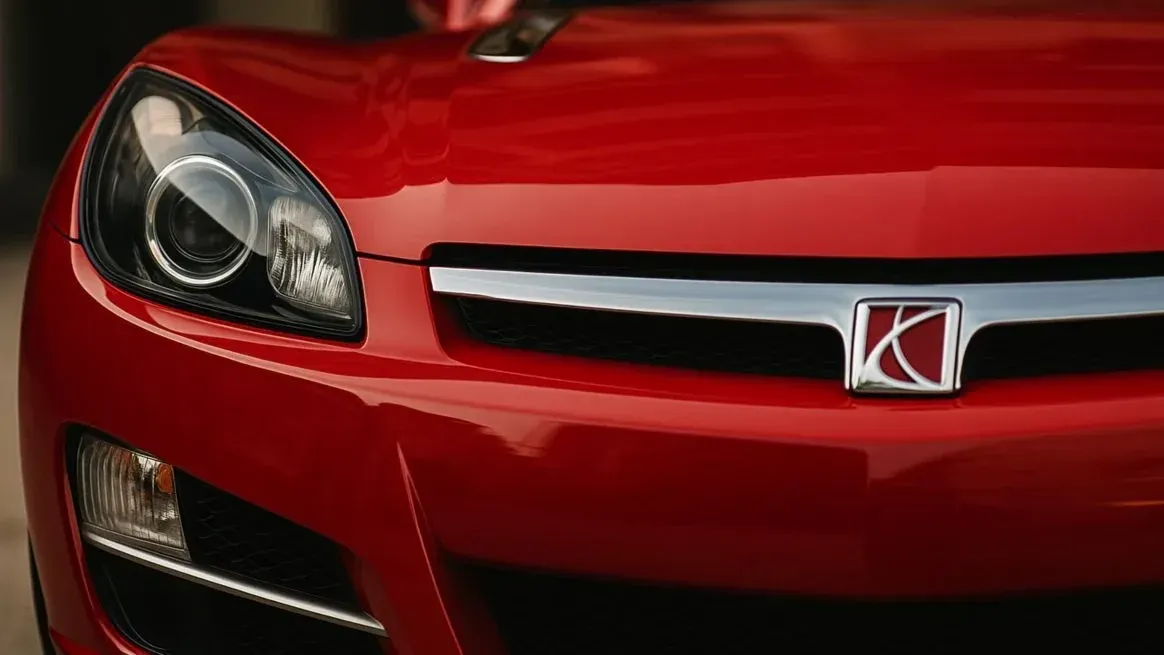
The Cars That Built Saturn’s Reputation
Saturn’s early success was built on a small lineup of practical, affordable vehicles that focused on everyday reliability rather than performance or luxury.
The Saturn S-Series was the foundation. Introduced in the early 1990s, it came in sedan, coupe, and wagon configurations. These cars were simple, efficient, and easy to maintain. Owners appreciated that they did exactly what they were supposed to do, without unnecessary complexity.
As the lineup expanded, Saturn introduced models like the SL and SC, which carried the same philosophy forward. Later vehicles such as the Saturn Vue brought the brand into the growing SUV market, offering compact utility at a reasonable price.
Even when Saturn adopted more conventional platforms later on, many of its vehicles retained a reputation for being approachable and owner-friendly. They were not built to impress on paper, but to perform reliably in daily life.
Saturn vs the Competition
During its peak years, Saturn was competing directly with some of the most respected import brands on the market. Toyota Corolla, Honda Civic, and Nissan Sentra were its primary rivals, and comparisons were unavoidable.
While Saturn rarely topped horsepower charts, it often matched or exceeded competitors in owner satisfaction. Maintenance costs were competitive, insurance rates were reasonable, and long-term reliability was strong. Saturn leaned into these strengths instead of chasing performance numbers.
Where Saturn truly differentiated itself was ownership cost transparency. Buyers knew what they were paying up front, knew what maintenance would look like, and knew their car wasn’t overloaded with unnecessary features that drove up repair costs later.
Why Drivers Loved Saturn
What truly set Saturn apart was not just the cars, but the experience around them. Saturn worked hard to cultivate a sense of community among its owners.
Dealerships hosted events. Owners were invited to factory tours. Customer feedback was actively encouraged and, in many cases, acted upon. For many buyers, this was the first time they felt like a car company actually wanted a long-term relationship rather than a one-time sale.
Saturn owners often became repeat customers. Loyalty rates were high, and word-of-mouth played a major role in the brand’s early growth. People trusted Saturn, and in the automotive world, that trust is hard to earn and easy to lose.
The cars were also forgiving. Maintenance was straightforward. Repairs were generally affordable. For first-time buyers, families, and commuters, Saturn made ownership feel accessible rather than intimidating.
Saturn as a First-Car Brand
For many drivers, a Saturn was their first new car. Affordable pricing, simple features, and an unintimidating sales process made the brand especially appealing to younger buyers.
Owning a Saturn often marked an important milestone. These vehicles became college commuters, first family cars, and long-term daily drivers. The brand earned loyalty not by impressing buyers once, but by staying dependable year after year.
That emotional connection explains why Saturn owners continue to speak positively about the brand long after its closure.
The Saturn Owner Community
Saturn didn’t just sell cars. It built a community.
Owners were invited to company-sponsored events, road trips, and even factory homecomings at Spring Hill. These gatherings weren’t marketing stunts. They were genuine efforts to create long-term relationships between the brand and its customers.
This sense of belonging translated into loyalty that few brands could match. Many Saturn owners purchased multiple vehicles from the brand over time. Even after Saturn was discontinued, owner forums and clubs continued to thrive, sharing maintenance advice and sourcing parts.
For many drivers, Saturn represented trust. That emotional connection is something automakers still struggle to replicate today.
The Turning Point
Despite its early success, Saturn’s independence gradually began to erode. As GM faced increasing financial pressure in the late 1990s and early 2000s, the company began pushing platform sharing and cost consolidation across its brands.
Saturn, once a clean-sheet experiment, was slowly pulled back into the corporate structure it was created to escape. Vehicles began sharing more components with other GM brands. The distinct identity that once set Saturn apart started to blur.
At the same time, Saturn’s positioning became less clear. It was no longer just the affordable, import-fighting brand. It wasn’t a performance brand or a luxury brand either. As the lineup changed, some longtime customers felt the brand was losing its original mission.
Marketing Challenges in the 2000s
As Saturn’s lineup expanded, marketing struggled to keep pace. The brand’s original message of simplicity and honesty became harder to communicate as vehicles shared platforms with other GM models.
Advertising became less focused, and buyers were no longer sure what Saturn represented. Without a clear identity, Saturn lost the narrative advantage it once held over competitors.
This shift weakened the emotional bond Saturn had built with customers and made it harder to attract new buyers.
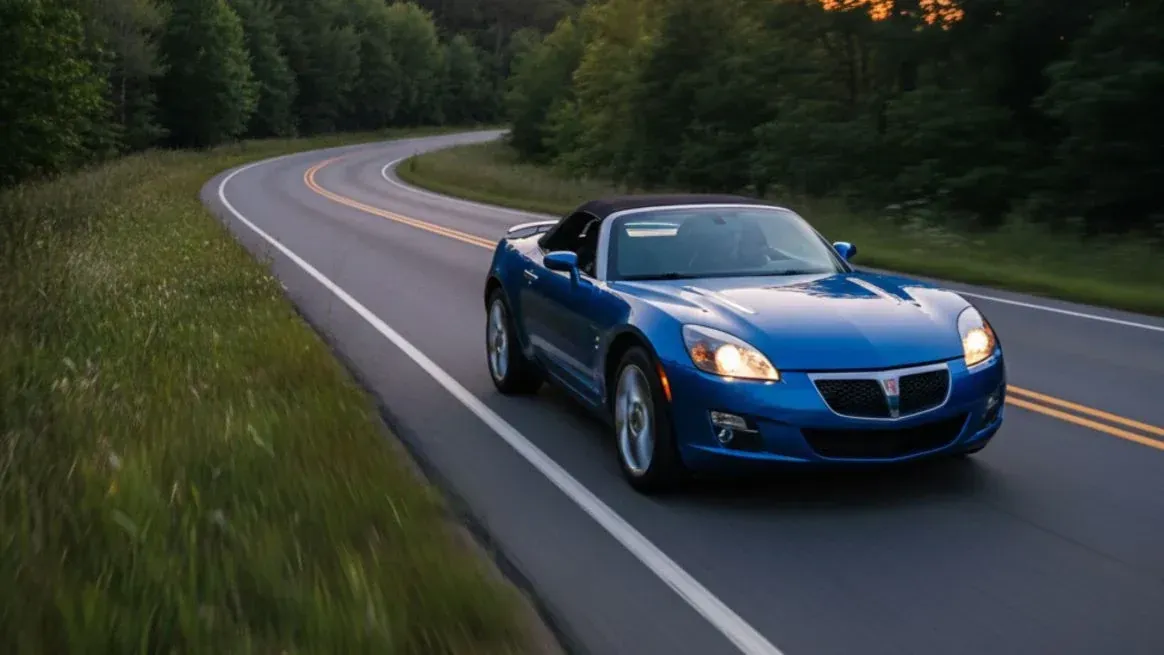
Why Saturn Failed
Saturn did not fail because its cars were bad. It failed because the experiment required a level of commitment that GM ultimately could not sustain.
Internal competition within GM diluted Saturn’s role. Platform sharing reduced differentiation. Marketing struggled to define what Saturn stood for in a crowded lineup of GM brands. Then came the 2008 financial crisis, which forced GM to make difficult decisions about which brands could survive.
In 2010, Saturn was officially discontinued. Dealerships were closed or absorbed, and production came to an end. For many owners, it felt like losing more than just a car brand. It felt like the end of a promise.
Could Saturn Have Survived Today?
Looking back, it’s fair to ask whether Saturn could succeed in today’s automotive market. In many ways, the industry has shifted toward the principles Saturn championed decades ago.
Transparent pricing is becoming more common. Buyers demand better experiences. Reliability and ownership costs matter more than ever. Ironically, Saturn’s philosophy aligns well with modern consumer expectations.
However, today’s market is also far more complex. Regulatory pressures, electrification costs, and software development expenses make it harder for experimental brands to operate independently inside large corporations.
Saturn may have been ahead of its time, but timing matters. Without sustained corporate commitment, even good ideas can fade.
The Legacy Saturn Left Behind
Even after its closure, Saturn’s influence can still be felt. Many of the ideas that once made Saturn radical are now standard practice across the industry.
Transparent pricing. Improved dealer experiences. A focus on long-term ownership satisfaction. These concepts are no longer unusual, but Saturn was ahead of its time in embracing them.
Millions of Saturn vehicles remain on the road today. Their continued presence is a testament to the brand’s original focus on durability and simplicity. Owners who maintain their Saturns properly often find they remain dependable well beyond expectations.
The Cars Are Gone, but the Parts Live On
Although Saturn as a brand is no longer producing new vehicles, Saturn owners still rely on quality replacement parts to keep their cars running. Engines, suspension components, brakes, filters, and electrical parts remain essential to maintaining these vehicles.
Using OEM replacement parts helps preserve the reliability Saturn was known for. Proper maintenance not only extends the life of these vehicles but also protects the driving experience owners originally trusted.
Saturn may be gone from showrooms, but it has not disappeared from the road. Its cars continue to serve drivers who value practicality, reliability, and smart ownership.
Why Saturn Still Matters
Saturn represents one of the most ambitious attempts by a major automaker to rethink how cars are built and sold. It proved that innovation does not always come from performance numbers or luxury features. Sometimes, it comes from treating customers differently and building cars that respect their needs.
The Saturn experiment almost worked. And in many ways, it succeeded more than history gives it credit for.
What Saturn Teaches Automakers Today
Saturn’s story offers a clear lesson: innovation isn’t just about technology. It’s about culture, trust, and consistency.
Automakers that succeed long term tend to align their values with their customers’ expectations. Saturn did that early, and when it stayed true to that mission, it thrived. When that mission became diluted, the brand lost its footing.
For owners, Saturn remains proof that simple, well-built cars can leave a lasting impact. For the industry, it’s a reminder that bold ideas need long-term protection to survive.

About World Parts Direct
World Parts Direct is your go-to source for genuine OEM parts for GM and MOPAR vehicles. We make it easy to order factory-original parts online — shipped fast, accurately, and backed by real human support.
Every item we sell comes brand new in the manufacturer’s original packaging. Whether you’re handling routine maintenance, collision repair, or a full restoration, our parts professionals provide VIN-verified fitment support to ensure you get exactly what you need.
Serving drivers and repair shops worldwide, we proudly support brands like Chevrolet, GMC, Cadillac, Buick, Dodge, Chrysler, Jeep, and Ram. Shop confidently at WorldPartsDirect.com.