
Single Cab Truck Culture: History, Customs, and Collectible Legends

Single Cab Truck Culture: The Ultimate Guide for Enthusiasts
TL;DR
Origins: Single cabs began as pure work trucks; one bench seat, long bed, rugged frames. GM’s early Chevrolet 490 Light Delivery and Dodge Power Wagon set the template.
Design evolution: From GM’s Advance Design and Task Force trucks to Dodge’s D- and B-series, proportions stayed clean while comfort and safety improved over decades.
Muscle & performance era: 1960s–1990s brought muscle-truck energy; Chevy C10s, Dodge D100s, GMC Syclone, 454 SS, Ram SS/T, and Indy Pace Trucks turned single cabs into performance icons.
2000s–2010s highlights: Viper-powered Ram SRT-10, Silverado SS, and R/T Rams showed single cabs could still shock. Today, region-specific trims like Silverado RST remain sought after.
Rare editions: Factory specials such as the 454 SS, Syclone, SS/T, Indy, R/T, and Li’l Red Express proved how strongly the single-cab platform carried identity.
Custom culture: From lowered C10s to Denali clones, enthusiasts use single cabs as canvases for stance, audio, and show builds. Regional flavors; Texas long beds, California drops; keep scenes diverse.
Community & media: Clubs, forums, and meets keep knowledge alive. Single cabs remain fixtures in music, advertising, and nostalgia-driven media.
Collector outlook: As crew cabs dominate the new truck market, clean, documented single cabs are becoming rarer and more collectible. Originality, paperwork, and tasteful mods are key to long-term value.
What Single Cab Truck Culture Is All About
Single cab truck culture blends hard work, clean design, and a deeper sense of identity that’s hard to fake. It grew from fields and worksites, then spilled into main streets and Saturday night meets. The shape is simple. The stories are not. That mix keeps people hooked, generation after generation.
Single cab truck culture means a preference for two-door, one-row pickups that prize utility, honest proportions, and a driver-first feel. It traces early work trucks, GM and Mopar design eras, and today’s custom scenes. Expect simple cabins, long beds, tough drivetrains, and a look that stays timeless even as trends change.
What Single Cab Truck Culture Means In America
How utility shaped identity
Regular cab trucks started as tools. They hauled fence posts, engines, and seed sacks, then drove home at dusk covered in dust. That rhythm forged a personality that stuck to the body style like road grime on steel.
People saw a truck that did not ask for attention. It earned it. The simple cab and long bed meant work first, which became a point of pride. That utility formed the backbone of single cab culture, then fed a style all its own.
The aesthetic of simplicity
Most people notice the line first: cab, bed, tail; no wasted mass. No awkward roofline breaks. A single cab pickup looks balanced because the proportions tell one story at a glance.
Designers knew that less can look stronger. The greenhouse sits tight over the front axle. The bed carries the visual weight. The silhouette reads like a logo from two parking lots away. That purity still turns heads.
From worksite to lifestyle
Over time, the same shape pulled weekend duty. Boards to the lake. Bikes to the trail. Coolers and folding chairs to the local cruise night. The cab stayed small, yet the life around it grew big.
A quick scene says plenty: a lowered C10 idles in a grocery lot. There is a soft cam lope, a faint smell of fuel, and a bed full of lawn chairs for friends who always show up late. People smile because it just feels right.
Origins And Early History Of Single Cab Trucks
Early pickups and the single cab template
Factory pickups arrived to solve basic hauling with passenger car manners. Ford’s 1924 Model T Runabout with Pickup Body made the idea mainstream and inspired rivals to refine the formula. GM and Chrysler both moved quickly once the path was proven.
The pattern was simple: two doors, a bench up front, a separate bed behind, and rugged frames that could take a beating. That template lasted because the work never stopped. The single cab layout fit the job and the budget.
Chevrolet 490 Light Delivery and early GM
GM’s spark came early with the 1918 Chevrolet 490 Light Delivery, a light hauler that bridged car comfort and truck function. It showed how a single cab could stay compact while carrying real loads. That lesson shaped Chevrolet’s truck DNA for decades.
By the late 1940s, GM’s Advance Design trucks pushed the idea forward with wider cabs and cleaner lines. They helped set the postwar tone for ergonomics and style that still guides truck design today.
Mopar roots and the Dodge Power Wagon
Mopar’s roots run through the tough Dodge Power Wagon. Born from wartime know-how, the 1946 civilian Power Wagon brought four-wheel drive, stout frames, and a single cab that did not flinch at hard labor. Farmers and contractors trusted it because it simply worked.
The Power Wagon legacy cast a long shadow over Mopar pickups. It proved that a basic cab could pair with heavy-duty running gear and climb anywhere a job demanded. That trust carried forward into Dodge’s B and D series and today’s Ram trucks.
Main Brands And Their Single Cab Truck Legacy
Ford F-Series: The Single Cab Workhorse
Key models: F-100, F-150, F-250
Historical significance: pivotal in American truck culture
Unique features: rugged engineering and timeless design
Ford’s role: shaping single cab trends through consistent innovation
Ford set sales records again and again, shaping the whole segment. As of 2024, the F-Series led full-size sales with more than 760,000 units sold; a small rise that reinforced its long run at the top. That scale helped keep regular cabs visible on jobsites and farms.
Styling cues moved from blunt to more aerodynamic over time. Yet the basic single cab worked for fleets and trades because it did the job without fuss. Even as crew cabs took over, Ford maintained regular cab work trims to serve core use cases.
Chevrolet Silverado: GM’s Iconic Regular Cab
Evolution: from C/K to Silverado
Focus: performance, style, and reliability
Legacy: beloved in enthusiast circles
Chevrolet carried the single cab torch from C/K into the Silverado era. Work Truck trims kept the two-door layout with long beds for those who needed space more than seats. The look stayed clean and the parts catalog stayed deep.
In 2024, Silverado posted about 553,000 sales in the U.S., roughly flat year over year, which kept it core to both work and play builds. Enthusiasts still hunt regular cab short beds for street builds and show restorations.
Ram: Mopar’s Modern Single Cab Identity
Evolution: from Dodge D-Series to Ram Tradesman
Highlights: muscle truck heritage and SRT-10
Focus: utility and customization
Ram refined the single cab recipe around no-nonsense Tradesman trims in recent years. The brand shifted focus on the light-duty side yet maintained regular cabs in heavy-duty lines for buyers who still prize simplicity and long beds.
Mopar fans love that Ram once built the SRT-10, a Viper-powered single cab that shocked people with speed and sound. That run cemented a muscle-truck thread that still flavors Ram’s brand story today.
GMC Sierra: Premium Single Cab Tradition
Traits: distinctive styling and features
Highlights: key models and historical milestones
Reputation: premium appeal among truck enthusiasts
GMC has long paired single cabs with a slightly more upscale take on GM hardware. The Sierra trims and interior details often skew toward comfort, even in basic configurations. That approach appeals to people who want a work-ready truck with a bit more polish.
Sales momentum was strong as of 2024, with Sierra volume up roughly 9% year over year. That growth kept GMC’s regular cabs in view for fleets and enthusiasts who prefer the brand’s styling and tuning choices.

GM Design Evolution And Milestones In Single Cabs
Advance Design and Task Force Eras
GM’s Advance Design trucks arrived in 1947 with wider cabs, better visibility, and a more modern feel. The single cab experience became less punishing and more livable. That balance launched a postwar boom in pickup ownership for both work and personal use.
The Task Force series followed in 1955 with fresh styling, stronger frames, and more power. Models like the Chevrolet Apache added flair without losing utility, which pulled the single cab into the cultural foreground through the late 1950s and early 1960s.
C/K Square Body Legacy and Performance
The third-generation C/K; often called the square body; defined the 1970s and 1980s. The cab stayed simple. The body grew crisper. The platform accepted everything from small blocks to heavy-duty diesels, which helped these trucks do real work Monday to Friday and then cruise on weekends.
Performance variants and swaps made noise in that era. Street builds leaned on small block torque and better brakes. Work versions chased durability. The same shell handled both stories because the bones were right.
Silverado Regular Cab and Modern Work Trucks
The Chevrolet Silverado carried the regular cab into the 2000s with modern electronics and safer structures. Even base Work Truck trims gained features that would have felt fancy in earlier decades, including smarter fuel and ignition systems. The feel was still bare bones in the best way.
As of 2025, crew cabs dominate retail shelves, yet GM continues to build single cabs for fleets and loyal buyers. The formula remains grounded: long bed capacity, easy maneuvering, and straightforward service keep the layout relevant for everyday work.
Mopar Design Evolution And Milestones In Single Cabs
Dodge B and D Series Foundations
Dodge’s B and D series pushed new ideas into the single cab space. The 1960s brought cleaner sheet metal and stronger suspension setups that handled bigger jobs. The recipe favored robustness over frills, which earned fan loyalty that still shows up at swap meets.
By the 1970s, Dodge leaned into special trims and power options that hinted at the later muscle truck wave. The single cab stayed the canvas; the themes shifted with the times.
Ram Tradesman and Modern Regular Cab
Ram’s modern lineup carried regular cabs as purpose-built tools, particularly in heavy-duty series. Tradesman spec means vinyl floors, durable fabrics, and equipment choices that matter more than chrome. That honest approach fits the single cab’s core identity.
Market pressures reshaped availability. Many light-duty regular cabs faded from dealer lots while extended and crew cabs multiplied. Even so, a Ram with two doors and a long bed still finds buyers who want less cab and more bed for real hauling.
SRT-10 and Muscle Truck Heritage
The Ram SRT-10 proved that a single cab could be truly fast. A Viper V10 in a Ram created a factory hot rod that barked through short gears and ran like a sports car. It also proved how single cabs can feel sharper thanks to lighter weight and shorter wheelbases.
That heritage links back to earlier Mopar muscle threads. It also feeds modern builds that mix crate power with classic D-Series or early Ram shells. The style reads clean. The sound does the rest.
Iconic GM And Mopar Single Cab Models
Chevrolet Apache and C10 Legends
Chevrolet Apache trucks brought mid-century style to jobsites and main streets in equal measure. The hoods were sculpted. The grilles were bright. Yet the cabs kept the basic bench and long-bed view that people still love.
The C10 became the default cool single cab for many builders. Short bed models in particular carry a stance that looks right even at stock height. Lowered versions with period colors and steel wheels feel like they rolled out of a memory.
Dodge Power Wagon and D-Series Standouts
The Power Wagon name still makes people think of rutted trails and low-range climbs. That reputation comes from decades of real use, not just ads. The single cab shell lets the chassis be the star while the bed handles the gear.
D-Series standouts include early performance packages and heavy-duty configurations that built Dodge’s tough image. Many of those trucks still show up in classifieds with dents and scars that tell honest stories.
GMC and Ram Models Admired by Enthusiasts
GMC regular cabs from the square body era matched Chevy’s strengths but added subtle trim differences people obsess over. Badging, grilles, and interior details became badge-specific lore that collectors remember by heart.
Ram single cabs from the 1990s through the early 2000s keep rising in interest. Clean, lightly optioned trucks with long beds and V8 power feel like perfect daily drivers; simple to service and easy to personalize.
Design Evolution: Exterior, Interior, and Powertrain
Body Styles, Bed Choices, and Proportions
Single cab trucks come in two familiar flavors: short bed for stance and play, long bed for payload and practicality. The shape reads clean either way because the cab does not compete with a second row.
GM’s evolution from Advance Design to Task Force to C/K to Silverado shows a steady drift toward better aerodynamics and packaging. Mopar followed similar arcs across the B and D series into Ram with smoother sheet metal and better sealing. The proportions remained honest through each era.
Cab Comfort, Safety, and Technology
Early cabs were loud and basic. Postwar GM added width and improved visibility. Later generations brought air conditioning, better seats, and stronger safety shells that finally made long drives feel easy.
Modern regular cabs add infotainment, traction aids, and refined drivetrains. Even work trims benefit from electronics that sharpen throttle and braking. The experience is still simple — only now with less fatigue at the end of a long day.
Engines, Towing, and Performance Trends
Carburetors gave way to electronic fuel injection through the 1980s and 1990s. That shift improved starts, throttle response, and altitude performance while cutting maintenance headaches. Builders embraced the change because it made trucks easier to live with.
A 454 SS put muscle in a GM single cab during the 1990s. Mopar answered later with the SRT-10 that raised the bar for factory speed. Today, the action often lives in swaps, tuning, and gearing matched to real-world use.
Rare and Limited Single-Cab Trims & Specials (GM & Mopar)
Limited and region-specific trims created some of the most sought-after single cabs. These builds pair the clean two-door silhouette with factory performance, unique paint, or numbered equipment catnip for collectors.
GM Highlights
Chevrolet 454 SS (1990–1993)
A regular-cab, short-bed muscle truck with a big-block V8. Early black-on-black trucks are icons; later years added more colors and incremental improvements. Clean, low-mile examples are climbing fast.
GMC Syclone (1991)
Technically based on the GMC Sonoma, this single-cab turbo V6 AWD rocket became a street-truck legend. Limited production, unique drivetrain, and period-perfect graphics keep demand high.
Chevrolet Silverado RST (Regular Cab Short Bed)
RST is a GM trim, not Dodge. In select years and markets, Chevrolet offered RST packages on regular-cab short-bed Silverados: sport appearance, street stance, and modern convenience baked into a simple two-door formula. Availability varied by market and year, which adds to the “spot one if you can” appeal.
GMC Sierra Sport / W/T One-Offs
Fleet-leaning trims occasionally left dealers with eye-catching paint and stripe combos or unusual RPO mixes on regular cabs; quirky gems that collectors love to hunt down.
Mopar Highlights
Dodge Ram SS/T (1997)
A spiritual follow-up to ’90s muscle-truck energy: regular cab, short bed, stripe package, and a factory look that still turns heads. Clean survivors with original stripes are getting scarce.
Dodge Ram Indy 500 Pace Truck (1996)
Blue/white-stripe single cabs that brought pace-car theater to the street. Many were driven and modified; stock examples with documentation are the ones to watch.
Ram 1500 R/T (2009–2018)
A regular-cab short-bed with the 5.7L HEMI, short gears, and a street-focused stance from the factory. It’s the modern, accessible Mopar muscle truck; unmolested trucks with full service history stand out.
Dodge Li’l Red Express (1978–1979)
Stepside single cab with vertical stacks, wood trim, and unapologetic late-’70s swagger. One of the few period trucks that were genuinely quick out of the box; originality is everything with these builds.
What Is a “Denali Clone” (And Why People Build Them)
A “Denali clone” is a single-cab GMC (or Chevrolet converted with a GMC front end) that’s been custom-built to mirror the Sierra Denali aesthetic; even though Denali trims were typically offered on extended or crew-cab trucks. Owners love the idea of a premium-looking, two-door short-bed that the factory rarely (or never) built.
Typical Ingredients
- Front-end conversion: GMC Denali grille, bumper, headlights, fogs.
- Interior upgrades: leather re-trim, Denali wheel, dash bezels, sound deadening.
- Exterior details: color-matched moldings, shaved emblems, OE-style chrome or polished wheels.
- Ride/stance: mild drop with quality shocks or arms, OE-plus tire fitment.
- Electrical touches: factory-style fog-light and steering-wheel controls where feasible.
Why It’s Popular
- Looks factory-plus: reads as an OEM design that “should have existed.”
- Two-door purity: blends the clean regular-cab profile with upscale cues.
- Build flexibility: owners can choose subtle OEM-style mods or full luxury conversions.
Single Cab Truck Custom Culture And Modification Scenes
Lowered and Dropped Single Cabs: History and Trends
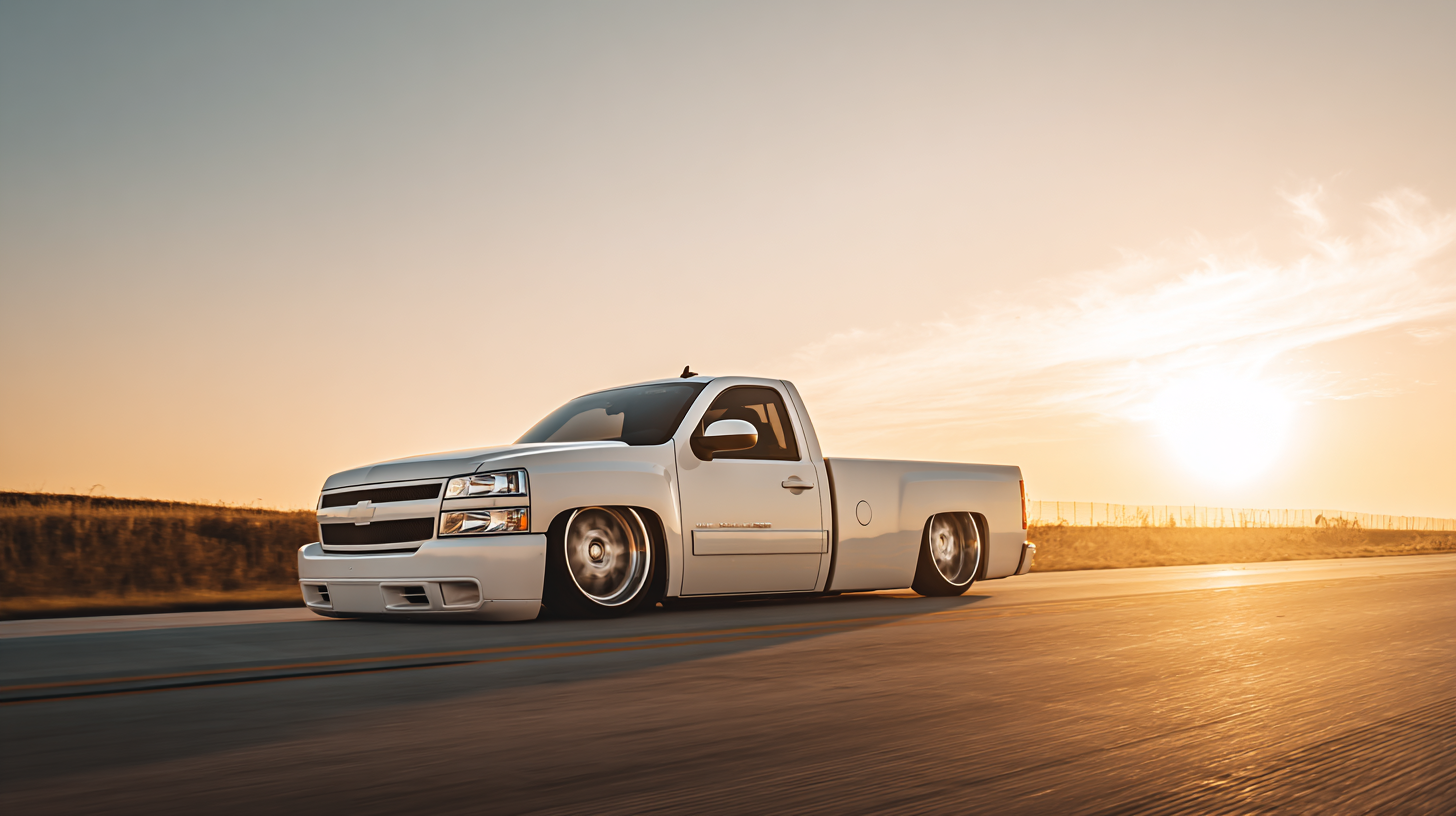
Regular cabs became canvases for stance-focused builds because they start clean. A drop, wheel change, and period colors transform the look without shouting. The short cab lets the bed and body lines set the tone.
Over the past decade, LS swaps, overdrive automatics, and better aftermarket suspension parts made daily-drivable drops more common. Builders chase comfort and reliability as much as looks. The goal is a truck that starts every time and rides smooth.
Custom Lighting and Sound System Upgrades
Modern lighting helps old trucks feel fresh and safer at night. LED sealed beams, relayed harnesses, and clean taillight conversions are common early moves. They keep the vintage face while brightening the road.
Audio upgrades are easier with compact amps and hidden subs. People tuck components behind the bench and use factory speaker locations. The cabin fills with clear sound while the dash stays clean.
Truck Clubs and the Dropped Truck Community
Truck clubs keep the scene friendly and accountable. They host meets, swap nights, and volunteer events that give the culture roots. A single cab meets people where they are, which makes it a natural club anchor.
Most nights feel the same in the best way: a lot, some lights, idle chatter, and a chorus of small-block thrum as folks roll in. Someone says, “keep it simple,” and three heads nod in unison.
Regional Scenes: Texas, California, and Beyond
Texas loves long beds and highway gears. California favors clean paint, bright trim, and tidy drops. The Midwest leans practical with mild lifts and winter prep.
Regional differences make meets feel local, yet the core language stays the same: honest trucks, friendly advice, and tools passed across fenders when a fix is needed.
Notable Builds and Influential Events
Signature events bring the threads together. Big regional shows highlight traditional paint, patina keepers, and high-dollar restorations parked side by side. People compare notes, trade parts, and plan for next season.
Iconic builds range from period-perfect restorations to sleepers hiding late-model power. The constant is restraint; the single-cab shape does the talking, and builders mostly let it speak.
Single Cab Truck Culture Today: Community And Media
Enthusiast Clubs, Meets, and Online Forums
Forums and groups keep knowledge alive. Torque specs, wiring tips, and parts finds move quickly when a community cares. Regular cab owners tend to share straight answers with pictures and part numbers because many problems repeat.
That culture of help builds trust. It also helps first-time owners gain confidence fast. A single good thread can save a weekend; and a budget.
Single Cabs in Film, Music, and Advertising
Movies and songs placed single cabs in a spotlight long before social media. A silhouette crossing a dusty lot sets a mood most people feel immediately. Advertisers leaned on that feeling because it reads as honest and tough.
Special editions popped up during style-heavy eras. The 1970s and 1980s saw trims that nodded to fashion and music, linking trucks to broader culture in surprisingly memorable ways.
Why Single Cab Pickups Still Look Good
The proportions do most of the work. With the cab pulled forward and the bed stretched flat, the profile balances mass and motion. The stance looks settled even before a wrench touches it.
There’s also nostalgia at play. Many learned to drive in a regular cab or rode along on errands with a window down and the radio humming. That memory lives in the shape, which keeps the look fresh even as trends swing.
Single Cab vs Crew Cab: Use Cases, Pros, and Cons
When a Regular Cab Makes the Most Sense
Choose a single cab when payload matters more than people. Long-bed capacity, a tighter turning circle, and easier parking matter at job sites and in older neighborhoods. Maintenance and tire budgets also tend to run smaller than larger cabs.
Work fleets keep ordering them for those reasons. The layout suits landscape crews, farms, municipal work, and any task where the bed must stay long and accessible through the day.
Why Crew Cabs Dominate Mainstream Buyers
Families and weekend travel changed the market. More seats, bigger back doors, and child seat space boost daily usefulness. As of 2025, most retail buyers pick crew cabs for mixed-duty life with school runs and trips mixed into work needs.
That shift pushed single cabs toward fleets and niche buyers. It also changed how trims are packaged — with the most luxury and off-road features locked to four-door models in many lines.
Choosing for Family, Work, and Adventure
Start with three questions: how many seats are needed most days, how long does the bed need to be, and what trailers will be towed. Those answers point quickly to regular or crew cabs.
As of 2024, pricing pressure and interest rates have pushed buyers to think hard about configuration value. A simpler single cab often lands at a lower out-the-door number, which matters for cash flow and total cost of ownership.
Buying, Restoring, and Modding a Single Cab Pickup
What to Look For in GM and Mopar Classics
Rust and paperwork come first. Check cab corners, floor pans, and bed supports. Inspect frame rails and spring hangers. Make sure the title is clear and VIN tags line up with the frame and cab.
GM Advance Design and Task Force trucks reward careful body checks along drip rails and cowl seams. Mopar D-Series trucks deserve close looks at floor and firewall seams. Many parts are available, yet metalwork time still adds up.
Budget Planning, Parts Sourcing, and Tools
Break the plan into systems: brakes, fuel, cooling, ignition, suspension, and tires. Build a realistic parts list and pad the budget for fasteners and machine work; small costs add up fast.
Modern upgrades like electronic fuel injection and overdrive transmissions can pay off with better starts and lower cruise RPM. That keeps fuel use lower and highway trips calmer. The technology is mature and supported by large catalogs now.
Street Stance, Off-Road, and Sleeper Builds
Street stance builds chase balance: mild drops, strong brakes, tight steering, clean paint. The goal is a truck that glides through traffic and cruises under 2,000 RPM on the highway.
Off-road builds lean into gearing, protection, and recovery gear. Sleeper builds hide modern power under stock hoods and quiet exhausts. When done well, they feel like time machines; until the right pedal goes down.
Single cab truck culture keeps one foot in the past and one hand on a toolbox. It values shape and story, yet it never forgets the job. Even as sales tilt toward crew cabs, the regular cab remains the purest expression of a pickup’s purpose and personality.
If the next step is ownership, start with needs and budget, then find a clean base that matches the plan. Keep the cab simple. Keep the bed useful. Single cab truck culture thrives when the work and the drive both feel good.
Conclusion
Single cabs started as tools and ended up as canvases. Their balanced proportions and driver-first feel transformed work trucks into street icons, show winners, drag strip bruisers, and off-road rigs.
GM and Mopar shaped much of that legacy; C/K and square-body Chevys, polished Sierra models, tough D-Series Dodges, Power Wagons, and Ram muscle trucks; while enthusiasts have carried it forward through restorations, stance builds, and period-correct details.
Rare trims like the 454 SS, Syclone, SS/T, Indy Pace Truck, R/T, Li’l Red Express, and region-specific Silverado RST regular cabs prove how strongly the single-cab format carries identity.
The custom scene adds another layer, from subtle OE-plus builds to Denali clones, showing how the best single cabs can feel like factory concepts brought to life.
As crew cabs dominate modern showrooms, clean, well-documented regular cabs grow rarer and more desirable. For anyone looking to buy or build, the recipe is simple: start with solid bones, keep the cab honest, keep the bed useful, and preserve the paper trail. That’s how a straightforward truck becomes a keeper; and tomorrow’s classic.

About World Parts Direct
World Parts Direct is your go-to source for genuine OEM parts for GM and MOPAR vehicles. We make it easy to order factory-original parts online — shipped fast, accurately, and backed by real human support.
Every item we sell comes brand new in the manufacturer’s original packaging. Whether you’re handling routine maintenance, collision repair, or a full restoration, our parts professionals provide VIN-verified fitment support to ensure you get exactly what you need.
Serving drivers and repair shops worldwide, we proudly support brands like Chevrolet, GMC, Cadillac, Buick, Dodge, Chrysler, Jeep, and Ram. Shop confidently at WorldPartsDirect.com.