
How 2025 Is Changing Cars: The Trends Reshaping Driving This Year
How 2025 Is Changing Cars: The Trends Reshaping Driving This Year
TL;DR
2025 feels like a turning point for the car world. Electric vehicles and hybrids are finally aimed at everyday drivers, sedans keep fading while SUVs and trucks do everything, and cars are turning into rolling computers that update themselves, sell features by subscription, and lean on driver assistance systems on every commute.
- Electric cars move from niche to normal, while hybrids become the safe middle ground for drivers who are not ready to go full electric.
- Sedans quietly disappear from many lineups as SUVs and trucks become the default choice for families, performance fans, and daily drivers.
- Software, subscriptions, driver assistance, and quiet, comfortable cabins matter more than ever, which changes what it means to own and maintain a car.
- Weather, real world reliability, and car culture all shape how people judge brands and models, from winter behavior to social media trends.
If you are shopping in 2025, you have more choice than ever, but also more to think about. Understanding these trends helps you pick the right mix of powertrain, tech, comfort, and long term value for the way you actually drive.
The car market in 2025 does not feel like the car market from even five years ago. Electric trucks are real products, not prototypes. Hybrids are selling faster than anyone expected. Sedans quietly vanish from lineups while SUVs do everything. Your car now updates its software in your driveway and asks for a subscription before it unlocks its best features.
If the last decade was about experimenting with electric cars and new tech, 2025 is the year those experiments start to hit everyday driveways. Buyers are no longer asking “Is this real” as much as “Is this the right choice for me.”
In earlier deep dives on how the United States car market transformed over the last decade, we showed how safety, technology, and manufacturing quality set up this new era. Now 2025 is where all those trends collide and become normal life for drivers.
Why 2025 Feels Like A Turning Point
Automakers are juggling several pressures at once in 2025:
- Government regulations that push lower emissions and higher efficiency
- Customers who want more tech, more safety, and more comfort
- Rising costs of materials and labor
- Competition from new EV focused brands and global players
To react, car companies are changing what they build, how they build it, and how they make money after the sale. That is why the big trends in 2025 are not just about a single new model. They are about the entire idea of what a car is.
You can see this in a few big shifts:
- More electric and hybrid options in mainstream segments
- Fewer sedans, more crossovers and SUVs
- More software features that can be updated or unlocked over time
- More focus on comfort, quiet cabins, and digital interfaces
The rest of this article breaks those changes into clear trends, so you can see where the market is headed and what it means for you as a driver.
Trend 1: Electric Cars Move From Niche To Normal
Electric cars are not rare sights anymore. In 2025 they sit in apartment parking lots, office garages, and suburban driveways. The biggest change is not that EVs exist, but that they are finally aimed at regular buyers instead of early adopters only.
A few factors are driving this shift:
At the same time, buyers are getting a more realistic view of EV life. Cold weather range loss, public charging reliability, and home charging setups are no longer theory. They are part of daily life for more drivers, which is why guides like What It’s Really Like to Own an Electric Car in 2025 have become so valuable.
- More body styles and segments. Electric trucks, three row SUVs, compact crossovers, and performance models mean you are not stuck choosing between just a small hatchback and a luxury sedan.
- Better range and charging. Newer batteries and charging systems mean many EVs can cover daily use with ease and handle road trips with planning, instead of feeling like experiments.
- Total cost of ownership. Even when sticker prices feel high, buyers are learning to compare that against fuel savings, lower maintenance, and possible tax credits.
At the same time, buyers are getting a more realistic view of EV life. Cold weather range loss, public charging reliability, and home charging setups are no longer theory. They are part of daily life for more drivers, which is why guides that go deep into what it is really like to own an electric car in 2025 have become so valuable.
Electric cars in 2025 feel less like a science project and more like another drivetrain choice. For many people that is exactly what they wanted.
Trend 2: Hybrids Take Center Stage Again
While electric cars grab headlines, hybrids quietly do a lot of the real work in 2025. Many shoppers are not ready to commit to full electric, but are very open to a gas engine that gets backup from an electric motor and battery.
Hybrids are attractive because:
- You can fuel up anywhere, which removes a lot of charging anxiety.
- They improve city fuel economy where stop and go driving wastes fuel.
- Modern hybrid systems feel smooth and simple to live with.
- There are hybrid versions of popular crossovers, trucks, and SUVs.
For automakers, hybrids are a bridge technology. They let companies lower fleet emissions and hit efficiency targets while they ramp up full EV production. For buyers, hybrids often represent the most comfortable step toward electrification without changing lifestyle.
In 2025 you can feel this in showrooms. Sales teams often lead with hybrid trims when customers say they want better gas mileage but are unsure about charging. For many households, that is the practical sweet spot.
Trend 3: Big SUVs Rule, Sedans Fade Into The Background
One of the clearest shifts in 2025 is how many brands have quietly trimmed or killed off sedans while doubling down on SUVs and crossovers. What used to be a balanced lineup of compact, midsize, and full size sedans plus a handful of utility vehicles has flipped.
Several things explain this:
Some brands have fully committed to that direction. Buick, for example, shifted to an all SUV lineup in the United States — a change we broke down in Why Buick Dropped Sedans and Went All SUV. Other brands still sell sedans, but often as performance or luxury niche cars instead of volume leaders.
- Families want more space for kids, pets, and gear.
- People like the higher seating position of crossovers and SUVs.
- Automakers make more profit per vehicle on SUVs and trucks.
- All wheel drive and modern safety tech make big vehicles feel easier to live with.
Some brands have fully committed to that direction. Buick, for example, shifted to an all SUV lineup in the United States, which is a clear signal of where the demand is. Other brands still sell sedans, but often as performance or luxury niche cars instead of volume leaders.
This shift changes the used car market too. Well kept sedans become somewhat rare, especially larger V6 or V8 powered ones, which can make enthusiasts and traditionalists hold onto what they have that much tighter.
Trend 4: Trucks And SUVs Become Performance Heroes
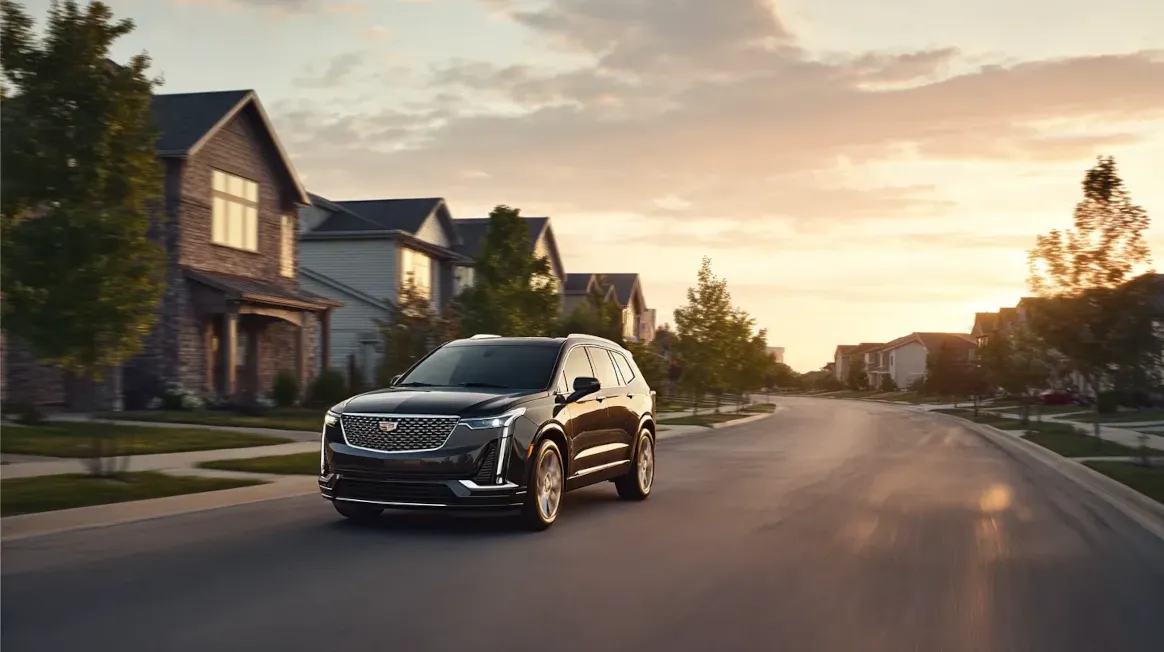
The idea of performance is changing. In the past it was tied mostly to lightweight coupes, muscle cars, and sports sedans. In 2025 a surprising amount of serious performance lives in trucks and SUVs.
There are a few ways this shows up:
- High power engines in half ton trucks that can tow during the week and run impressively quick quarter mile times on the weekend.
- Three row SUVs with sport modes, adaptive dampers, and big brakes that would have shocked luxury car buyers twenty years ago.
- Off road focused trims that combine power, ground clearance, and trick four wheel drive systems.
For manufacturers this is smart business. They can sell performance at a higher price point and package it in something that families can justify. For buyers it is a way to get excitement without giving up space or usefulness.
At the same time, traditional performance nameplates are not going away. They are evolving. You see hybrid Corvette models, discussions about electric muscle cars, and special edition trucks that lean heavily into their performance identity. Underneath it all is one message. Performance still matters, it just looks different now.
At the same time, traditional performance nameplates are not going away. They are evolving — from hybrid Corvettes to electric muscle concepts. Our Camaro Evolution and Electric Future story shows how performance identity is changing without losing excitement.
Trend 5: Cars Turn Into Rolling Computers
If you have bought or even rented a newer vehicle in 2025, you have probably noticed how digital everything feels. Screens replace traditional gauges. Physical buttons move into touch menus. Your phone connects more deeply into the car systems.
There are a few key parts of this change:
- Over the air updates. Automakers can now fix bugs, change tuning, or add small features through software updates, similar to what you see on a smartphone.
- App integration. Many vehicles connect to an app that can start the engine, preheat or precool the cabin, check tire pressures, or locate the car.
- Digital driver assistance. Camera and radar systems feed into software that keeps you centered in a lane, maintains distance in traffic, and warns you of hazards.
This creates both convenience and new worries. On the convenience side, your car can actually improve over time as software updates roll out. On the worry side, drivers ask questions about data privacy, hacking risk, and what happens when basic car features depend on subscription payments and server connections.
Cabins themselves are changing to support this software world. Automakers add more sound deadening, better glass, and smarter insulation to make cabins quieter, because digital features work best in a calm environment. If you have ever stepped from an older car into a new one and noticed how much quieter and smoother it felt, you have already experienced this trend.
Cabins themselves are changing to support this software world. Automakers add more sound deadening, better glass, and smarter insulation to make cabins quieter — something we explored deeper in How Modern Cars Reduce Cabin Noise. If you have ever stepped from an older car into a new one and noticed how much quieter and smoother it felt, you have already experienced this trend.
Trend 6: AI, Driver Assistance, And Hands Free Cruising
In 2025 advanced driver assistance systems move from “nice extra” to “expected feature” in many segments. Automatic emergency braking, lane keeping, and adaptive cruise control show up across compact cars, crossovers, and trucks.
On top of that, higher end trims add systems that can handle more of the work in very specific conditions, such as steady highway driving on approved roads. Some can keep you centered in your lane, adjust for curves, and manage speed with very little driver input for long stretches.
A few important points about this shift:
- These systems are still driver assistance, not full self driving.
- Good driver training and attention are still essential.
- Automakers use AI and large data sets to improve performance over time.
- Some systems require monthly or yearly subscriptions to unlock full capability.
For drivers, the main benefit is reduced fatigue on long drives and an extra safety net in daily traffic. The risk is overtrust. When a system works well most of the time, it is easy to forget that it still needs human supervision during the moments that really matter.
Trend 7: Subscriptions And Pay To Unlock Features
One of the most controversial shifts in 2025 is not under the hood. It is in the billing. Automakers are testing how far they can go with subscription based features.
You see it in things like:
- Navigation or connected services that require monthly payments.
- Hands free driving modes that cost extra after a trial period.
- Extra performance or driving modes that unlock with a software purchase.
- Convenience features like remote start, advanced climate control, or enhanced safety data that sit behind logins and fees.
For manufacturers this creates recurring revenue instead of a one time sale. For customers it can feel like renting parts of the car they already bought.
The long term questions here are big. How many subscriptions are people willing to carry. When you sell the car, does the next owner get access to those features. How does this affect resale value. And what happens when a feature you depend on disappears because a server is turned off in a few years.
Right now this trend is in motion, not settled. In 2025 it is important simply to be aware of it and read the fine print before you sign.
Trend 8: Comfort, Quiet, And Everyday Usability Matter More
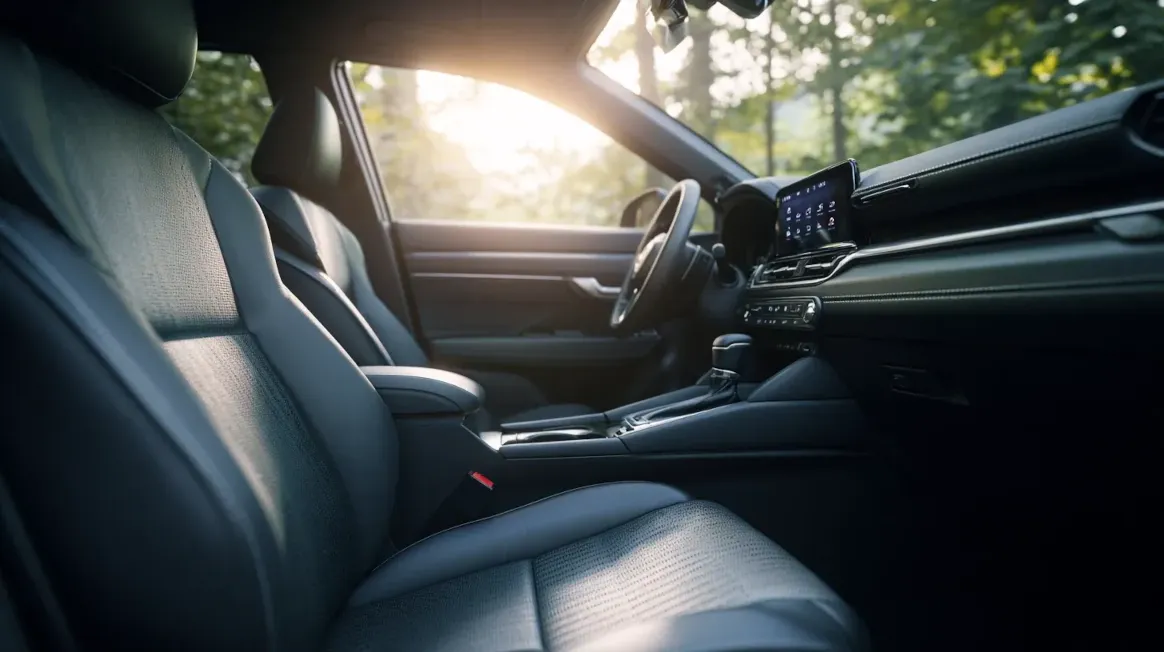
Horsepower and top speed still sell cars, but most of the engineering effort in 2025 is going into making vehicles easier and less tiring to live with.
You can see that in:
- Better insulation and sound deadening to cut down highway roar.
- More attention to seat comfort, especially in trucks and SUVs meant for road trips.
- Smart climate control that heats or cools specific zones efficiently.
- Clean, simple layouts to reduce distraction, even when screens are large.
This matters because modern vehicles are expected to do everything. The same SUV might take kids to school, commute 45 minutes each way on the highway, and tow a trailer on the weekend. Comfort and quiet are no longer luxury features. They are core parts of product design.
Daily drivability is also where electric and hybrid models prove themselves. Smooth acceleration, near silent running in traffic, and instant heat or air conditioning in extreme weather all help convince skeptical drivers that new tech is worth it.
Trend 9: Weather, Climate, And Reliability Enter The Conversation
Weather has always affected cars, but in 2025 buyers talk about it more directly. Cold climates raise specific questions about battery range, gasoline additives, starting performance, and visibility.
As a result:
- Block heaters, glow plugs, and battery health matter more to people in northern regions.
- Winter specific tech like heated wiper park areas, advanced traction control, and remote start tie into safety conversations.
- Articles about preparing your car for winter and choosing the right coolant or wiper blades receive more attention each year.
This connects to a bigger theme. Drivers now expect their vehicles to handle extreme heat and cold without drama. Whether it is an EV losing range in a blizzard or a traditional truck struggling to start after a polar front, real world reliability in bad weather is part of how people judge brands.
As a result, winter-specific tech like heated wiper park areas, block heaters, and traction systems tie directly into safety — explained more in Why Engine Block Heaters Matter in Cold Weather. Drivers now expect their vehicles to handle extreme heat and cold without drama.
Trend 10: The Culture Around Cars Keeps Evolving
2025 is not just about hardware and software. It is also about how people think and talk about cars.
A few culture shifts stand out:
- Social media shapes what models become icons and how fast trends spread.
- Younger enthusiasts may care as much about styling, stance, and online presence as raw power.
- Single cab trucks, old school muscle, and analog cars become lifestyle choices and identity markers.
- Electric and hybrid performance cars gain respect, while some people still defend naturally aspirated engines as real character.
In this world, cars live both in the physical driveway and on screens. Car meets, track days, and off road events are still important, but online builds, short video clips, and photo posts shape the story too.
Automakers pay close attention to this. Limited editions, heritage color packages, and retro inspired styling all tap into that culture. The same companies that are pushing high tech EV programs are also celebrating their classic muscle past in marketing and design.
What All Of This Means For Drivers In 2025
If you are shopping for a vehicle in 2025, the big message is that you have more choices than ever, but also more things to think about.
A few practical takeaways:
- Take your time with powertrain choices. Gas, hybrid, and full electric each have real pros and cons. Think about where you live, how far you drive, and where you park.
- Watch the fine print on software and subscriptions. Make sure you understand what features are included for life, what is a trial, and what will add to your monthly costs.
- Test drive for comfort, not just power. Pay attention to seat comfort, cabin noise, visibility, and control layout. These matter every single day.
- Look beyond the first owner. Think about how easy a vehicle will be to maintain, repair, and resell five or ten years from now, especially when it depends heavily on software.
- Use trusted resources. Long form guides from OEM parts sites, enthusiast communities, and technical explainers can help cut through the marketing language.
2025 will likely be remembered as a transition year. Not the first appearance of electric cars or driver assistance, but the year those technologies truly started to feel normal. The roads are changing, the showrooms are changing, and so are people expectations.
The good news is simple. If you know what you need and take time to understand these trends, 2025 can be a very good time to buy.

About World Parts Direct
World Parts Direct is your go-to source for genuine OEM parts for GM and MOPAR vehicles. We make it easy to order factory-original parts online — shipped fast, accurately, and backed by real human support.
Every item we sell comes brand new in the manufacturer’s original packaging. Whether you’re handling routine maintenance, collision repair, or a full restoration, our parts professionals provide VIN-verified fitment support to ensure you get exactly what you need.
Serving drivers and repair shops worldwide, we proudly support brands like Chevrolet, GMC, Cadillac, Buick, Dodge, Chrysler, Jeep, and Ram. Shop confidently at WorldPartsDirect.com.