
Why Nighttime Driving Feels Completely Different Than It Used To
Why Nighttime Driving Feels Completely Different Than It Used To
Nighttime driving used to come with an unspoken tradeoff. Less visibility, more tension, and a constant sense that the road was only partially revealing itself. Drivers leaned forward, tightened their grip, and accepted that darkness would always limit how clearly they could read their surroundings. Today, that experience feels fundamentally different. Roads are easier to understand, vehicles are more visible and predictable, and drivers move with a level of confidence that once belonged only to daylight hours. Without much fanfare, the night driving experience has evolved into something calmer and more deliberate.
TL;DR
Nighttime driving has changed quietly over the last decade. Smarter lighting, clearer road design, quieter cabins, and improved vehicle visibility have reshaped how drivers experience the road after dark. Modern vehicles no longer just illuminate what is ahead. They communicate more clearly with drivers and surrounding traffic, reducing stress, increasing confidence, and making night driving feel intentional rather than intimidating.
Night Driving Used To Be About Survival
For most of automotive history, driving at night required a different mindset. You expected less information and prepared to compensate for it. Headlights provided only a narrow window into what lay ahead, and everything beyond that beam faded quickly into darkness. The road felt smaller, hazards felt closer, and every mistake carried more weight because reaction time was limited by what you could see.
This was an era defined by limited nighttime visibility. Halogen headlights produced warm, yellow light that struggled to cut through darkness evenly. Lane markings faded in rain. Signs appeared late. Vehicles ahead could disappear entirely if their lights were dim or misaligned. Drivers learned to anticipate rather than observe, relying on memory and instinct more than real time clarity.
That environment shaped habits that persisted for decades. Drivers avoided long trips after sunset. Fatigue set in faster. Focus required constant effort. Night driving felt like something to endure rather than something to settle into. Even experienced drivers accepted that darkness would always limit how comfortable and confident driving could feel.
Lighting Did Not Just Get Brighter, It Got Smarter
The most visible change in nighttime driving is lighting, but brightness alone does not explain why the experience feels different. Modern lighting systems focus on precision, consistency, and control. LED headlights deliver a cleaner, whiter light that improves contrast without overwhelming the eye. Objects appear sharper. Lane lines stand out more clearly. The road feels easier to interpret at speed.
Beam patterns have improved just as much as output. Instead of a harsh hotspot surrounded by darkness, modern headlights distribute light more evenly across the roadway. This creates a sense of continuity, where the road ahead feels connected rather than fragmented. Drivers no longer feel like they are peering through a tunnel of light into the unknown.
The rise of adaptive headlight technology pushed this even further. These systems respond to steering input, vehicle speed, elevation changes, and oncoming traffic. Curves illuminate earlier. Hills crest more predictably. Light moves with the vehicle rather than lagging behind it.
This shift mirrors broader trends in vehicle lighting design, where lighting now serves as both a functional safety system and a defining part of the driving experience.
Related Reading: How Vehicle Lighting Became a Design Feature
Lighting no longer exists only to illuminate the road. It plays a role in brand identity, visibility, and driver confidence. We explore this shift in more detail in The Rise of Light Up Emblems: Style Meets Tech in 2025 .
How Headlights Changed Driver Trust Over Time
For decades, headlights were treated as a basic requirement rather than a system drivers needed to trust. As long as they turned on and pointed forward, expectations were low. Drivers compensated by slowing down, overcorrecting, and remaining alert to the fact that visibility could vanish at any moment. Trust was never assumed. It was managed.
As lighting technology evolved, something subtle began to change. Drivers stopped thinking about their headlights entirely. That mental shift matters more than most people realize. When a driver no longer has to question whether the road ahead will suddenly disappear, cognitive load drops. Decisions feel calmer because information arrives sooner and more consistently.
Modern headlights did more than increase output. They reduced uncertainty. Predictable beam patterns, consistent illumination across different speeds, and smoother transitions between lit and unlit areas all contributed to a sense of reliability. The road no longer felt like it was hiding information until the last second.
This trust compounds over time. Drivers who regularly experience stable nighttime visibility begin to internalize it. Speed judgment improves. Lane placement becomes more confident. Fatigue sets in later because the brain is not constantly preparing for surprise.
Older systems demanded constant vigilance. Newer systems support continuity. That difference reshapes how drivers relate to the road itself.
Vehicles Are More Visible To Each Other
Night driving is not only about what a driver can see, but also about how clearly vehicles communicate their presence to one another. Modern vehicles place far greater emphasis on being seen from every angle. Tail lamps are larger and more defined. Brake lights activate faster. Turn signals are brighter and more distinct from surrounding lighting.
This creates stronger vehicle presence after dark. Drivers can identify where vehicles are positioned, how wide they are, and how they are moving with far less effort. Traffic feels more predictable because vehicles no longer blend into the background as easily.
Lighting signatures also play a role. Vehicles are now recognizable by shape and light pattern alone. This allows drivers to process information faster, especially in peripheral vision. On highways, at intersections, and in parking lots, traffic movement feels easier to read because vehicles communicate their intent more clearly.
OEM Headlights and Visibility Components
Modern nighttime visibility depends on properly engineered lighting systems. Factory-designed components help maintain correct beam patterns, reduce glare, and preserve intended performance over time. You can browse OEM headlights built to match original specifications.
Road Design Has Quietly Improved After Dark
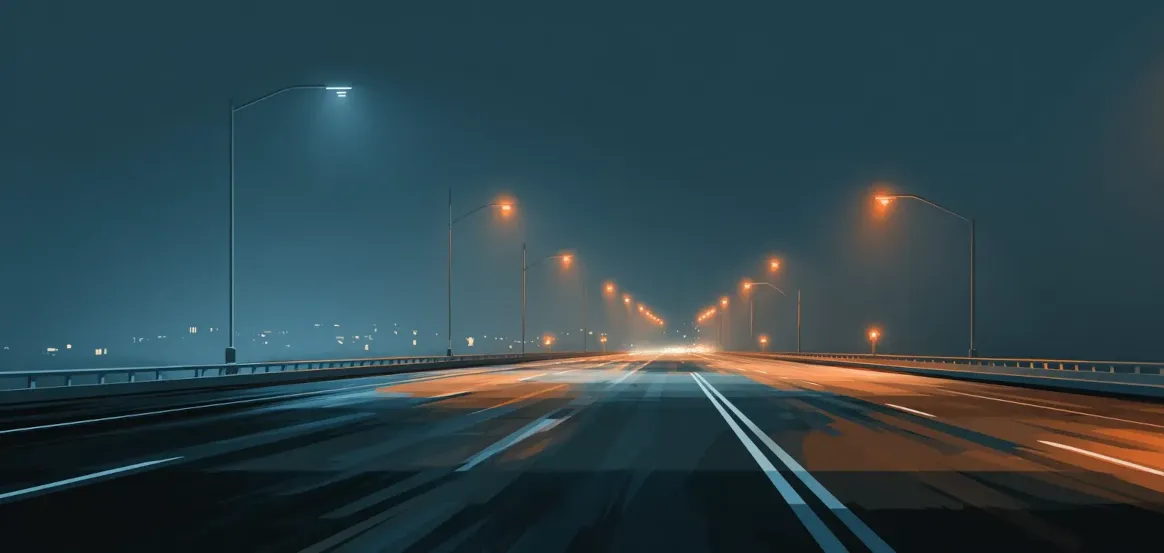
Vehicles evolved, but roads did too. Many of the improvements that make night driving easier come from infrastructure that drivers rarely think about. Signage is clearer. Lighting placement is more consistent. Highways and city streets are designed to be read quickly, even in low light.
One of the most impactful changes is the use of reflective road markings. Lane lines remain visible in rain. Curves are easier to follow. Raised pavement markers add depth cues that help drivers judge distance and alignment more accurately.
Urban lighting has improved as well. Instead of harsh pools of light separated by heavy shadows, many roads now use evenly spaced fixtures that reduce glare and improve overall legibility. The road communicates its layout more clearly, allowing drivers to focus less on searching and more on smooth execution.
Quiet Cabins Changed How Drivers Pay Attention
One of the least discussed factors in modern night driving is cabin quietness. Newer vehicles are significantly quieter than older models, especially at highway speeds. Improved insulation, better aerodynamics, and refined drivetrains reduce the background noise that once competed for a driver’s attention.
With quieter vehicle interiors, drivers notice subtle cues more easily. Indicator lights stand out. Steering feedback becomes clearer. Changes in road texture and vehicle response are easier to sense because they are not buried under constant noise.
Reduced noise also delays fatigue. Mental exhaustion builds more slowly when the environment is controlled. This allows drivers to remain focused longer, making extended nighttime driving feel less draining than it once did.
Lighting and Electrical Systems That Support Night Driving
Behind every modern lighting feature is a network of electrical components working together. From control modules to sensors, these systems help lighting respond correctly in real time. Explore our lighting and electrical components designed to support factory functionality.
Night Driving Fatigue And The Role Of Visual Load
Fatigue during night driving is not only about sleep. It is about how much visual effort the brain is forced to exert. For years, drivers assumed that feeling exhausted after a night drive was unavoidable. Darkness required more concentration. Less information meant more mental work.
Modern vehicles quietly reduced that workload. Clearer lighting, better contrast, and more readable road layouts all lower the amount of effort required to process surroundings. When information is presented cleanly, the brain spends less energy decoding it.
Visual load matters because it directly affects reaction time and stress. When drivers must constantly search for lane edges, anticipate hazards, and compensate for poor visibility, fatigue accelerates. When the road communicates clearly, attention becomes sustained instead of strained.
This is why long nighttime drives feel different now. Drivers may cover the same distance at similar speeds, but arrive feeling less depleted. The effort required to stay oriented has dropped.
Fatigue still exists, but it builds gradually instead of sharply. That gradual buildup allows drivers to manage their energy more effectively, making night driving feel less punishing than it once did.
Night Driving Feels Calmer But More Intentional
As visibility improves and distractions decrease, driver behavior changes. Modern nighttime driving often feels smoother. Lane changes are more deliberate. Speed adjustments are gradual. Drivers react with intention instead of instinct.
This increase in driver confidence at night reduces stress and mental load. When drivers trust what they see, they make better decisions earlier. The road feels less reactive and more predictable, even when traffic density increases.
This aligns with broader shifts in how vehicles are designed and experienced. Clarity and confidence now matter as much as performance or technology on a spec sheet.
How Driving Technology Is Changing in 2025
Nighttime visibility is just one example of how vehicles are evolving around experience and confidence. For a broader look at the trends shaping modern vehicles, read How 2025 Is Changing Cars: The Trends Reshaping Driving .
Weather No Longer Completely Resets Visibility
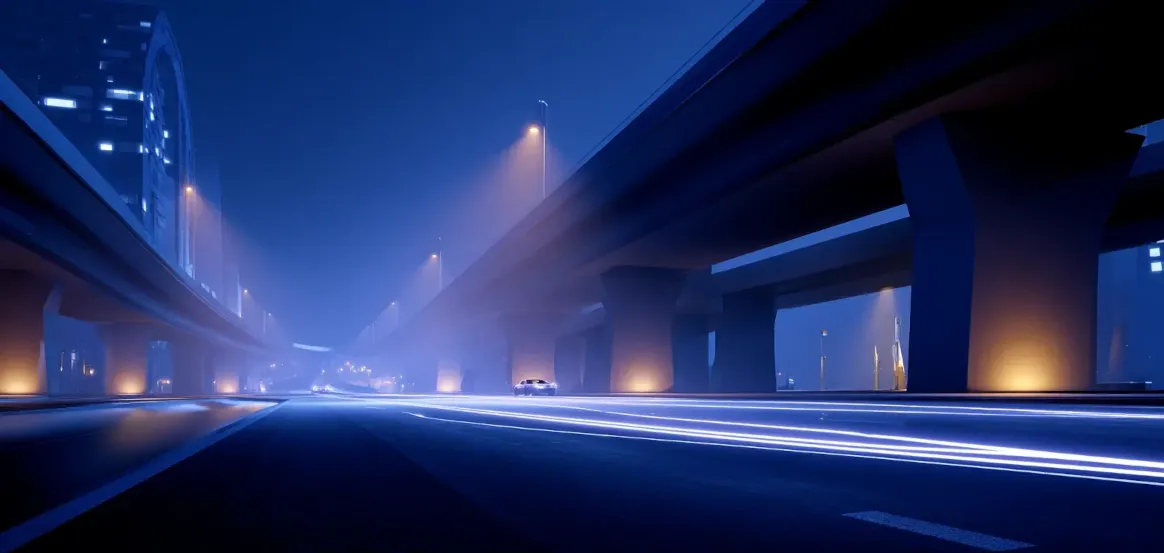
Weather once transformed nighttime driving into a different challenge entirely. Rain distorted reflections. Fog scattered light. Snow erased lane definition. Drivers often felt disconnected from their surroundings.
Modern lighting systems and vehicle design help reduce the impact of night driving in poor weather. Cleaner light temperatures reduce harsh reflections. Improved beam control limits excessive scatter. Clearer vehicle visibility makes it easier to track traffic movement even when conditions deteriorate.
These improvements do not eliminate weather challenges, but they reduce the shock of transition. Drivers are less likely to feel suddenly overwhelmed when conditions change, which preserves confidence and focus.
How Urban And Rural Night Driving Diverged
Urban and rural night driving have always felt different, but the gap has widened in recent years. Cities benefit from ambient lighting, reflective signage, and predictable traffic flow. Rural roads rely almost entirely on vehicle lighting and lane definition.
Modern lighting systems adapt better to both environments. In cities, beam control reduces glare from reflective surfaces and oncoming traffic. In rural areas, longer, more even illumination improves reaction time on curves and elevation changes.
This adaptability matters because drivers move between these environments more frequently than ever. A single trip may involve well lit streets, dark highways, and unlit back roads. Vehicles that handle these transitions smoothly reduce stress and improve confidence.
Older lighting systems struggled with this variety. Drivers often felt comfortable in one setting and overwhelmed in another. Modern systems smooth those transitions, creating a more consistent experience regardless of surroundings.
The Psychological Shift Matters As Much As The Technology
Perhaps the most meaningful change in nighttime driving is psychological. Drivers no longer associate darkness with discomfort by default. Many actively prefer driving at night, especially on longer trips.
This reflects a shift in modern driving psychology. The road feels calmer. Traffic moves more predictably. Visibility feels cleaner without harsh daylight glare. Night driving becomes a different mode of driving rather than a compromised one.
As trust increases, habits change. People travel later. Commutes extend further into the evening. Night no longer signals the end of comfort behind the wheel.
There Are Tradeoffs And Growing Pains
Progress is not without challenges. Headlight glare is one of the most common complaints among drivers today. As lighting becomes brighter and more precise, improper aim or mismatched components can cause discomfort.
These headlight glare issues are often less about modern design and more about maintenance and alignment. Even well engineered systems can become problematic if components are incorrect or improperly adjusted.
The challenge moving forward is balance. Visibility must continue improving without sacrificing comfort for other drivers on the road.
How Interior Lighting And Displays Changed Night Awareness
Interior lighting plays a larger role in nighttime driving than many drivers realize. Early dashboards were dim, unevenly lit, and difficult to read without pulling attention away from the road. Modern interiors are designed with night awareness in mind.
Displays now adjust brightness automatically. Controls are backlit with intention rather than excess. Important information is placed where it can be seen quickly without forcing eye movement.
This reduces distraction. Drivers spend less time searching and more time focusing forward. Interior lighting supports the driving experience instead of competing with it.
Well executed interior lighting makes the cabin feel calm and composed, reinforcing the sense that the vehicle is working with the driver rather than demanding attention.
Nighttime Presence Is Now Part Of Vehicle Identity
Vehicles now express identity after dark. Daytime styling still matters, but nighttime presence has become equally important. Shape, movement, and light work together to communicate intent.
This automotive lighting identity allows drivers to recognize vehicles instantly and understand their position and motion without conscious effort.
After sunset, the car no longer disappears into darkness. It becomes an active participant in a shared visual language.
Why Night Driving Reveals Vehicle Quality Faster Than Daylight
Daylight hides flaws. After dark, execution becomes obvious. Poor lighting alignment creates glare. Interior noise becomes more noticeable. Controls that felt fine during the day feel awkward at night.
Night driving strips distractions away. What works feels calm and cohesive. What does not stands out immediately.
This is why many drivers say they truly understand a vehicle only after driving it at night. The experience is distilled and honest.
Why This Shift Matters More Than It Seems
Nighttime driving reveals design priorities quickly. Visibility, comfort, and predictability matter more when conditions are less forgiving.
These evolving vehicle design priorities show how modern vehicles are built around experience, not just specifications. When drivers receive better information earlier, confidence replaces tension.
The road becomes something drivers understand instead of something they manage.
Designed to Perform After Dark
As vehicles become more dependent on lighting and visibility systems, maintaining factory-intended components matters more than ever. OEM parts are engineered to work together, helping preserve the balance between clarity, comfort, and confidence when driving at night.
Conclusion: The Road After Dark Tells A Different Story Now
Nighttime driving used to feel like a compromise. Less visibility, more tension, and narrower margins for error defined the experience for generations.
Today, that narrative has changed. Roads are easier to read. Vehicles communicate more clearly. Drivers respond with confidence instead of hesitation.
This evolution did not make driving effortless. It made it deliberate. Night driving is no longer something to endure. For many, it is one of the clearest ways to understand how far driving has come.
The road no longer disappears when the sun goes down. It reveals itself. And in doing so, after dark driving has become a measure of modern automotive progress.

About World Parts Direct
World Parts Direct is your go-to source for genuine OEM parts for GM and MOPAR vehicles. We make it easy to order factory-original parts online — shipped fast, accurately, and backed by real human support.
Every item we sell comes brand new in the manufacturer’s original packaging. Whether you’re handling routine maintenance, collision repair, or a full restoration, our parts professionals provide VIN-verified fitment support to ensure you get exactly what you need.
Serving drivers and repair shops worldwide, we proudly support brands like Chevrolet, GMC, Cadillac, Buick, Dodge, Chrysler, Jeep, and Ram. Shop confidently at WorldPartsDirect.com.